Episode 93 – How to Plan an Independent Trip to China: Tips for First-Time Visitors
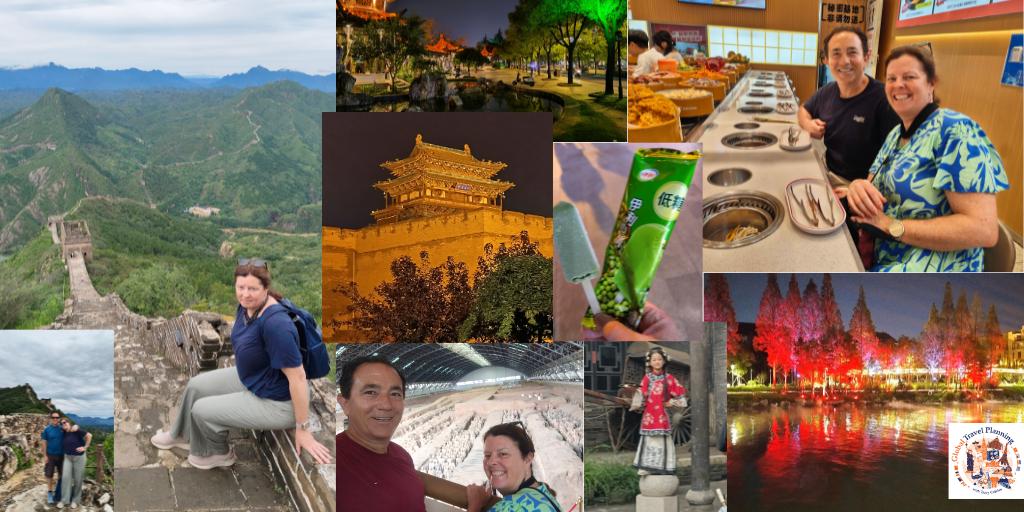
In episode 93 of the Global Travel Planning Podcast, Tracy is joined by traveller Lucy, who shares what it is really like to plan and experience an independent trip to China with her long-time travel partner Joe.
From navigating high-speed trains and booking through Trip.com to setting up cashless payments, essential apps, and preparing for cultural differences, this episode offers honest, practical advice for first-time visitors.
If you are considering travelling to China independently, this conversation will help you understand what to expect on the ground and how to plan with confidence.

Free workbook
Plan your dream trip, the easy way
Grab The Global Trip Planner, our free five-step workbook with the checklists, timelines and itinerary templates we use for our own trips.
- Five simple steps, idea to itinerary
- Printable planning and packing checklists
- Itinerary and route templates
No spam, just helpful travel planning. Unsubscribe any time.
Click the blue button below to listen:
Reader Offer · Wendy Wu Tours
Save £100 per person on escorted tours with Wendy Wu
Prefer to explore with the planning taken care of? Wendy Wu Tours runs fully escorted, expertly guided tours to destinations including Japan, Vietnam, China, India and Sri Lanka, with flights, hotels, meals and guides all included. Global Travel Planning readers save £100 per person on tours over £3,000 with our exclusive code:
WWTINF100
Code valid until 31 December 2026 on tours over £3,000. Can be combined with Wendy Wu promotional offers but not with other discount codes. This is an affiliate partnership: if you book through our link we may earn a commission at no extra cost to you. As always, we only recommend companies we would happily suggest to friends.
Episode 93 – What you’ll learn in this episode
- How to realistically plan long-distance travel across China
- What booking and riding high-speed trains is actually like
- Why Trip.com works well for foreign travellers
- How passport-linked, paperless train tickets operate
- How to prepare for China’s cashless economy using Alipay and WeChat
- Essential apps including Amap, Didi, translation tools, and VPN-enabled eSIMs
- Why flexible hotel bookings are important
- What to expect from public toilets and daily etiquette
- How to structure an itinerary beyond Beijing and Shanghai
Places, foods and words/concepts mentioned
Places
- Beijing >> China’s capital city and common entry point for visitors, known for its vast scale, historic landmarks and busy summer crowds.
- Simatai Great Wall >> A less-visited section of the Great Wall accessible by taxi, with the option to stay overnight and experience the Wall in the evening.
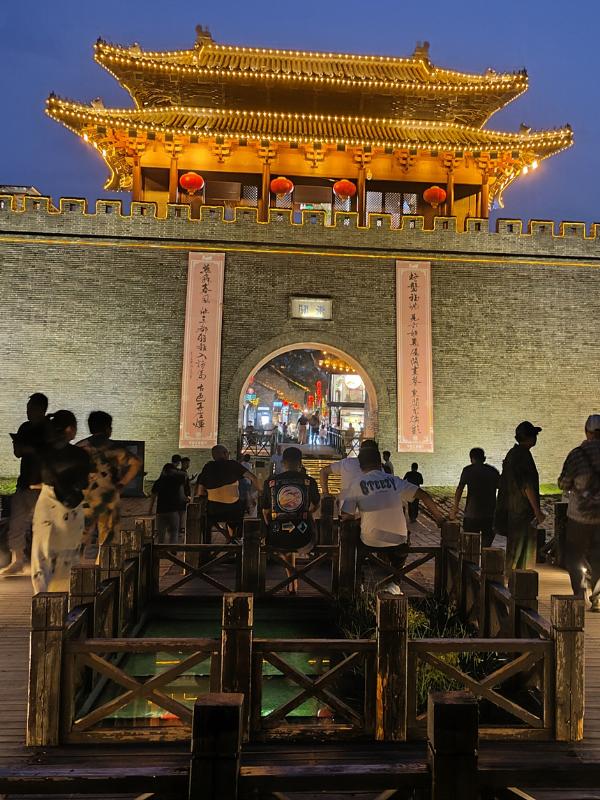
- Pingyao >> An ancient, continuously inhabited walled city popular with domestic travellers, known for preserved architecture and evening historical light shows.
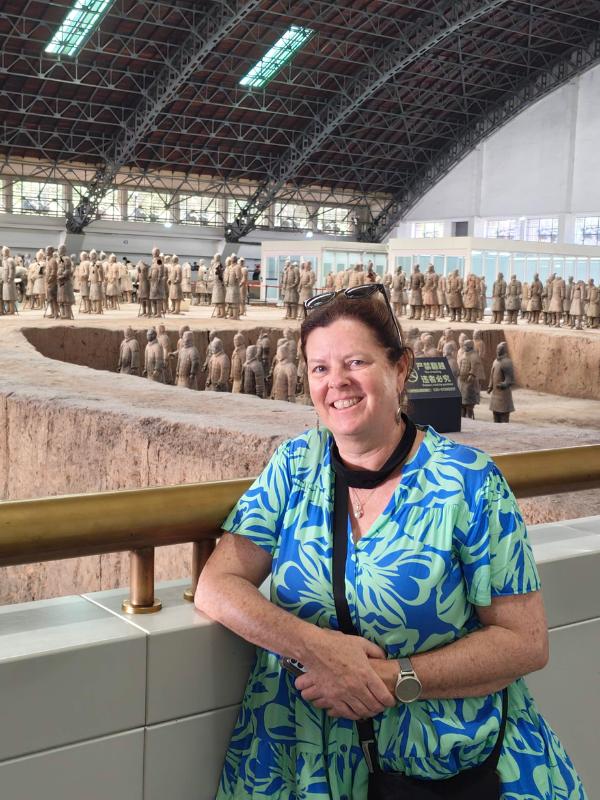
- Xi’an >> Home of the Terracotta Warriors, with impressive city walls and a mix of historic and modern China.
- Nanjing >> A historic city visited briefly as part of the wider itinerary, offering insight into China’s layered past.
- Yangzhou >> A UNESCO-recognised city known for gastronomy, riverside walks and its famous fried rice.
- Shanghai >> A modern metropolis and departure point, offering a strong contrast to China’s more traditional cities.
Foods
- Yangzhou Fried Rice >> A UNESCO-recognised regional dish often claimed as the birthplace of fried rice, though quality can vary by venue.
- Soup Dumplings >> Juicy dumplings filled with broth and meat, widely available and a highlight across multiple cities.
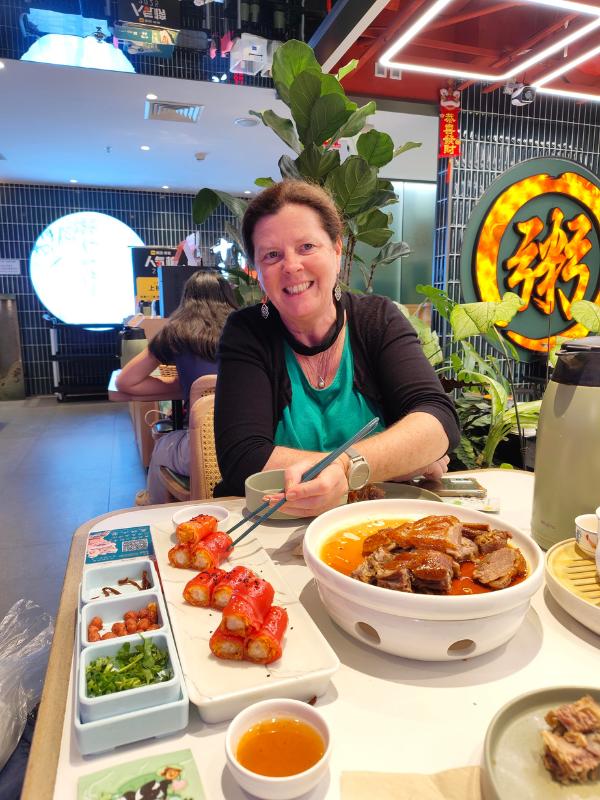
- Regional Noodles and Soups >> More common than rice in many areas, with noticeable regional differences in flavour and preparation.
- Pea Ice Cream >> A bright green ice lolly described as a fun and quirky novelty to try.
- Chilli-Based Dishes >> Many dishes contain unexpected heat, so requesting milder versions is helpful if you are sensitive to spice.
- Offal Dishes >> Common in some regions and restaurants but easily avoided if preferred.
Concepts
- Trip.com >> A recommended booking platform for trains, hotels and tours that integrates well with China’s systems and works reliably for foreign travellers.
- Alipay >> A widely used digital payment platform essential for cashless transactions throughout China.
- WeChat Pay >> Another major digital payment system used for nearly all purchases.
- Didi >> China’s ride-share app, used for booking taxis easily and affordably.
- Amap (Gaode Maps) >> A reliable navigation app that works better than Google Maps within China.
- eSIM with VPN >> A pre-purchased data plan with built-in VPN access, allowing use of Google and other blocked services.
- Translation Apps and Google Lens >> Vital tools for translating menus, signage and facilitating conversations.
- High-Speed Rail >> China’s fast and extensive train network connecting major cities across vast distances.
- Passport-Linked Tickets >> Paperless train tickets connected directly to your passport, which acts as your travel document.
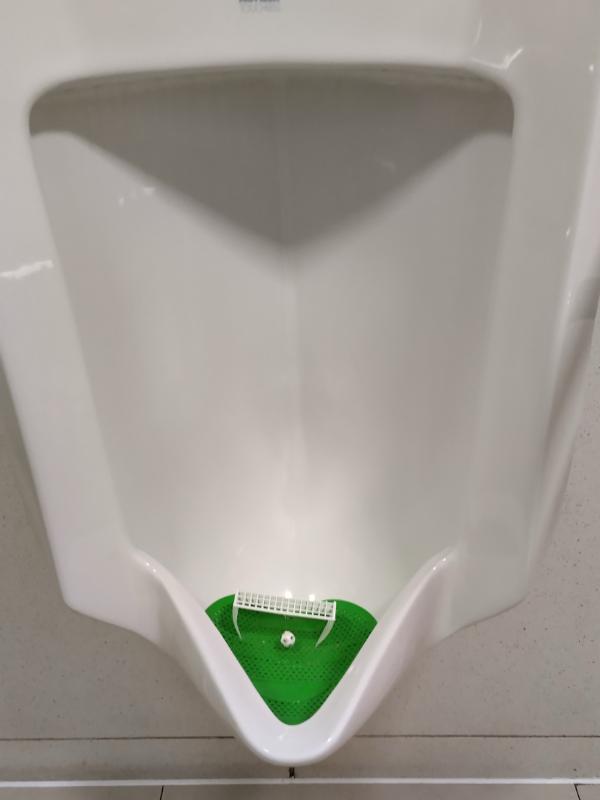
- Public Toilets >> Often squat-style and rarely stocked with paper or soap, so carrying tissues and sanitiser is advisable.
- Personal Space Etiquette >> Expect closer proximity and busier public spaces than in many Western countries.
- Flexible Bookings >> Choosing cancellable accommodation is important in a country where online reviews can be inconsistent.
- Visa-Free Entry (Australians) >> At the time of recording, Australians were eligible for 30-day visa-free travel. Always check current requirements for your nationality.
Links
Podcasts
- Episode #22 – A Journey to Central China: Unique Gastronomy, Stunning Landscapes, and Cultural Delights
- Episode #15 – Insider’s Guide for First-Time Visitors to Singapore
- Episode #14 – Visiting Japan: Top Tips for First-Time Travellers
Articles
- Best VPNs for Global Travel (2026): Stay Safe on Public Wi-Fi Abroad
- 12 Essential South Korea Travel Tips for First-Time Visitors
- 12 Singapore Travel Tips for first-time visitors











Guest Bio – Lucy England
Originally from the UK, I have lived in Australia for over 20 years and currently live in Brisbane with Joe and my small dog Murphy.
A teacher by profession, I love to travel and love exploring places, the backroads, the smaller villages and towns off the busier tourist trails. For me travel is about the journey and the experience of being somewhere different, being immersed in different cultures not only seeing a list of ‘must see’ attractions and of course the food, always the food.