
12 Essential Poland Travel Tips for First-Time Visitors
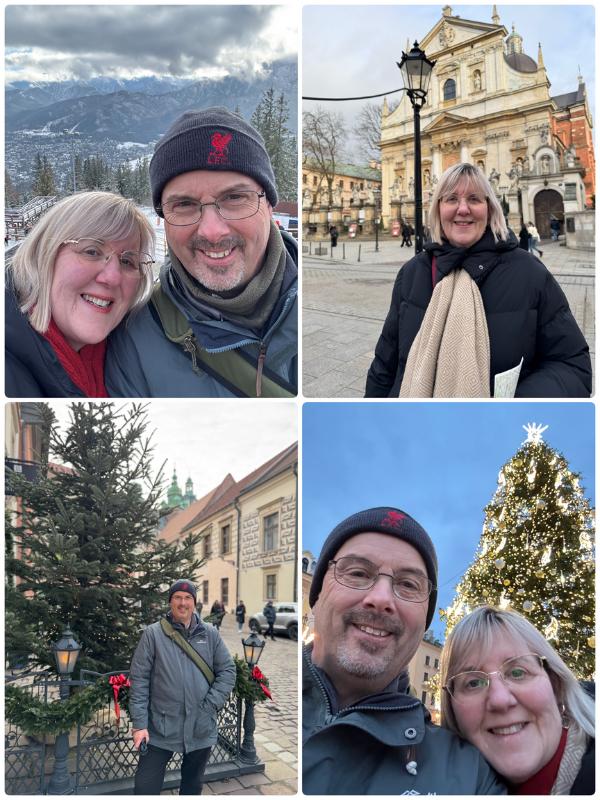
On our first trip to Poland, we discovered that it is a country full of surprises. Poland boasts golden beaches, medieval towns, vibrant cities, hearty cuisine, rich culture, and fascinating history.
Whether you’re wandering the cobbled streets of Kraków, discovering Warsaw’s resilient past, or exploring the forests and lakes of the countryside, Poland has something for every traveller.
If you’re visiting for the first time, our 12 essential Poland travel tips will help you plan your trip with ease and confidence.
Free workbook
Plan your dream trip, the easy way
Grab The Global Trip Planner, our free five-step workbook with the checklists, timelines and itinerary templates we use for our own trips.
- Five simple steps, idea to itinerary
- Printable planning and packing checklists
- Itinerary and route templates
No spam, just helpful travel planning. Unsubscribe any time.
12 Essential Poland Travel Tips for First-Time Visitors
1. Poland Is in the EU But Uses the Zloty 💰
Although Poland is part of the European Union, it does not use the euro. Instead, it uses the Polish zloty (PLN).
Tips:
- Avoid currency exchange kiosks in airports and tourist zones as they often offer poor rates.
- For the best exchange rates, use ATMs from banks like PKO or mBank.
- Credit and debit cards are widely accepted, even in small shops.
💡 Tip: Contactless cards and mobile payments (like Apple Pay) are very popular. You’ll need to carry some cash but we recommend changing a small amount of money as you’ll rarely use cash.
2. Learn a Few Words in Polish 🇵🇱🗣️
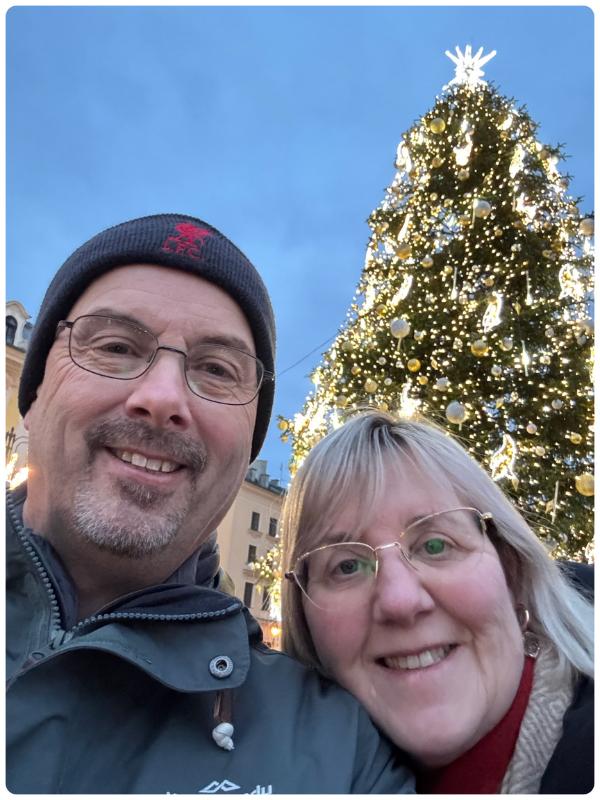
English is spoken in most tourist areas, but a few Polish words will go a long way. Wherever we travel, speaking a few words of the local language is appreciated and helps to break the ice.
Try:
- Dzień dobry (jen-doh-bri) – Hello
- Dziękuję (jen-koo-yeh) – Thank you
- Proszę (proh-sheh) – Please / Here you go
- Przepraszam (psheh-prah-sham) – Excuse me / Sorry
💡 Tip: Don’t worry if pronunciation feels tricky; Poles will appreciate your effort!
3. Public Transport Is Excellent and Affordable 🚋🚍
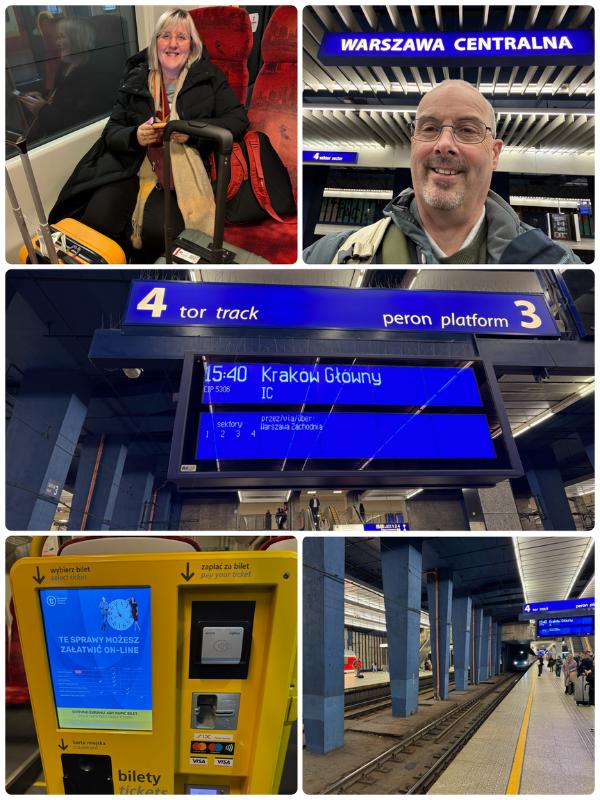
Getting around Polish cities and regions is simple thanks to an efficient and inexpensive public transport system.
Tips:
- Trams and buses are reliable and well-connected in major cities like Kraków, Warsaw, and Gdańsk.
- Buy tickets at kiosks, on apps (like Jakdojade), or from machines at bus and tram stops. Tickets must be validated onboard the bus or tram.
- Trains are affordable (and comfortable) for travel between cities. Buy tickets in advance from PKP Intercity.
- Popular long distance routes sell out in peak season so book well in advance of your trip.
💡 Tip: Use the Jakdojade app to plan journeys and buy tickets with real-time info.
4. Prepare for Weather Variability 🌦️❄️🌞
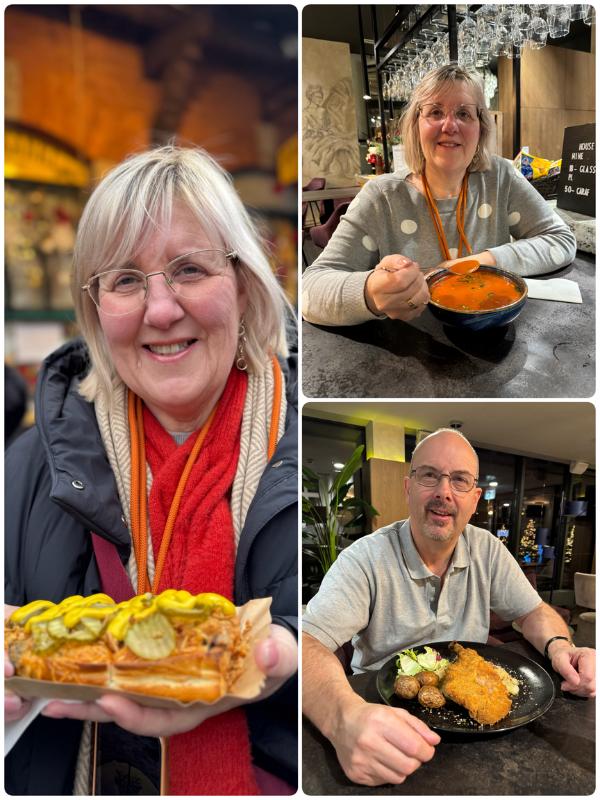
Poland experiences all four seasons, and weather can vary dramatically.
Tips:
- Spring (Mar–May) and Autumn (Sep–Nov) are mild and you’ll enjoy colourful foliage. You’ll also experience fewer tourists so these shoulder seasons are perfect for sightseeing.
- Winter (Dec–Feb) brings snow and freezing temperatures. We advise packing thermals, warm boots, and a woolly hat and gloves. Tourist numbers swell during the pre-Christmas period so be prepared for crowds.
- Summer (June–Aug) is warm and temperatures can soar. Bring sun protection and cool, loose fitting clothes. Book accommodation early as tourists (both foreign and domestic) flock to Poland’s most popular destinations.
💡 Tip: Polish Christmas markets are magical. Wrap up warm for festive visits!
5. Polish Food Is Hearty and Delicious 🥟🍲
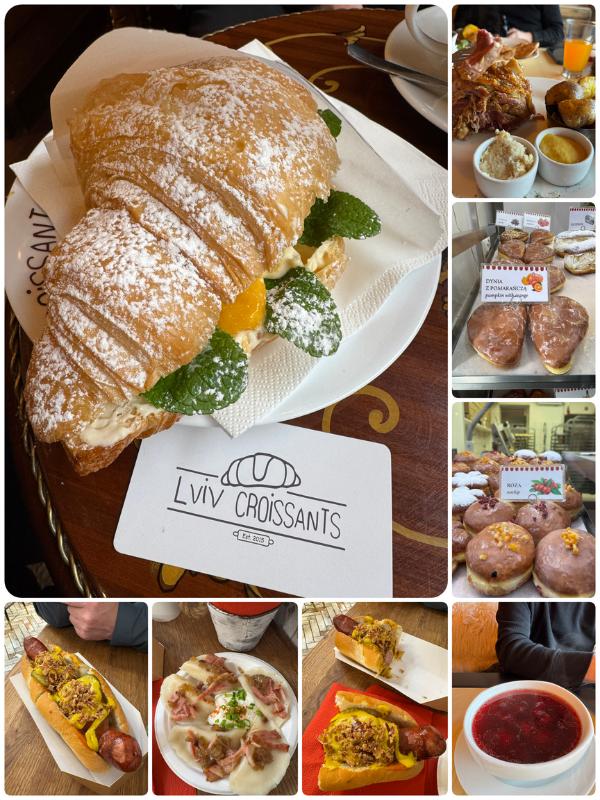
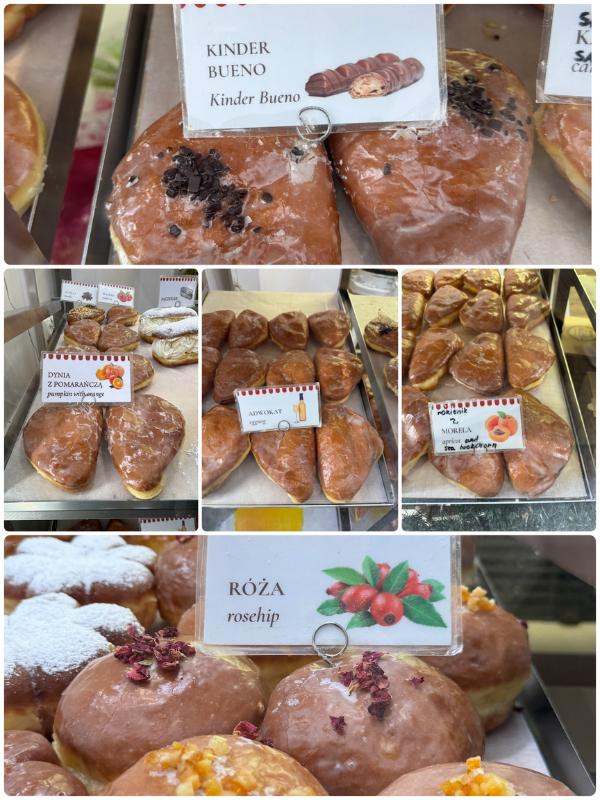
Poland’s cuisine is healthy, filling, and perfect for travellers on a budget. We found food and drink more affordable than most other European destinations.
Must-try dishes:
- Pierogi – Dumplings filled with cheese, meat, or fruit
- Bigos – Hunter’s stew with cabbage and meat
- Żurek – Sour rye soup often served in bread
- Gołąbki – Stuffed cabbage rolls
- Pączki – Jam-filled doughnuts
💡 Tip: Milk bars (bar mleczny) offer authentic Polish food at very low prices. They’re a cultural experience in themselves so try to visit one if you can.
6. Modest Tipping Is Expected 💵
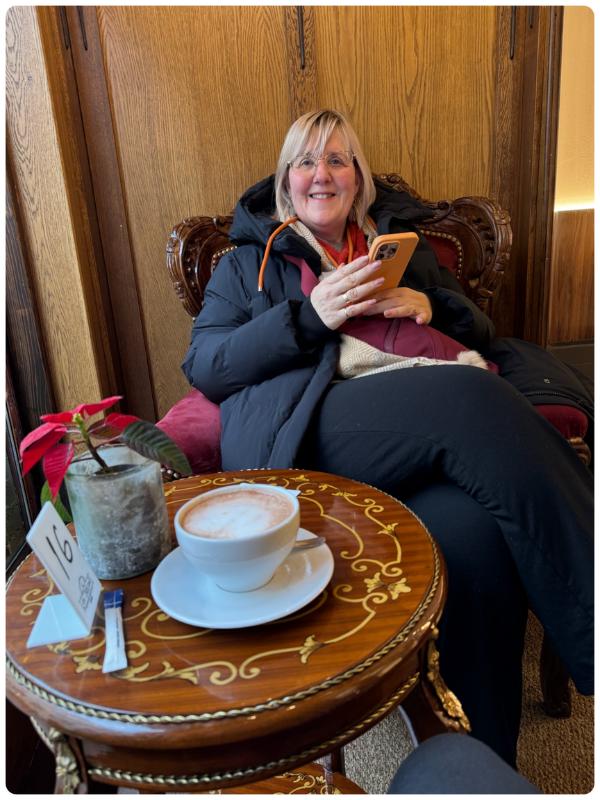
Tipping is common in Poland, but it’s more modest than in some countries.
Tips:
- In restaurants, leave 10% if service isn’t included.
- Round up taxi fares or leave a few zloty.
- Tip guides and hotel staff for good service.
💡 Tip: Avoid saying “thank you” when handing over your card as it can be taken as consent to add a tip!
7. Plan Ahead For Sundays and Holidays🕍🛍️

Poland is a devoutly religious country and it has restricted trading hours on Sundays and religious holidays. You’ll need to plan ahead if you want to go shopping, dine out, travel or visit attractions.
Tips:
- Most large supermarkets and shops are closed on Sundays but you’ll usually find small convenience stores are open.
- Restaurants, attractions, and museums remain open but may have shorter opening hours.
- Check holiday closures before your trip as Poland celebrates many Catholic holidays.
💡 Tip: Buy essentials on Saturday to avoid being caught out on Sundays.
8. Museums and Sites Are Often Free on Certain Days 🎟️
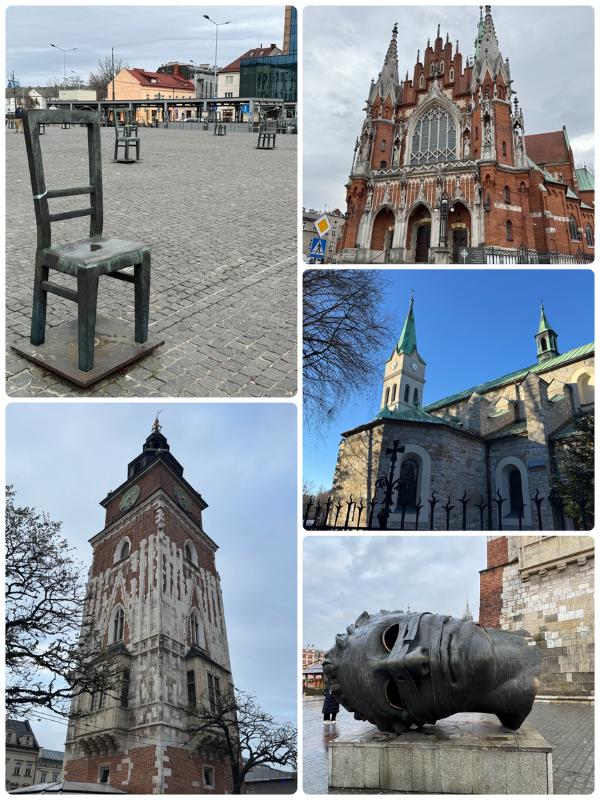
Many museums offer free entry one day a week (often midweek). Timing your visits for these free days can save a lot of money. However, some museums give out a limited number of free timed tickets so you’ll need to be prepared to queue early and to come back later in the day for your visit.
Tips:
- Check official websites to find free admission days.
- Popular museums include POLIN Museum (Warsaw), Schindler’s Factory (Kraków), and the Royal Castle (Warsaw).
- Queues can be long on free days so plan a flexible schedule for the day.
💡 Tip: Museum signs may not always be in English. We recommend renting an audio guide or downloading a guide app.
9. Respect the History – Especially at Memorials 🕊️
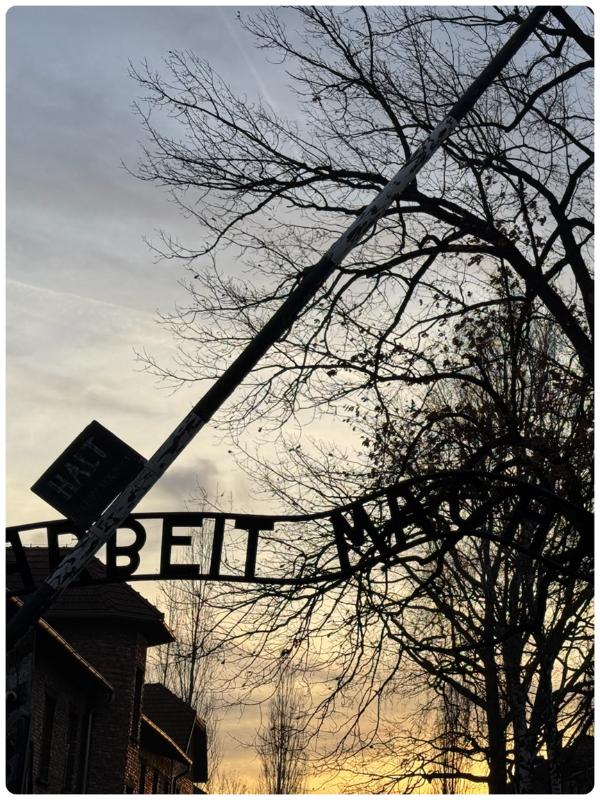
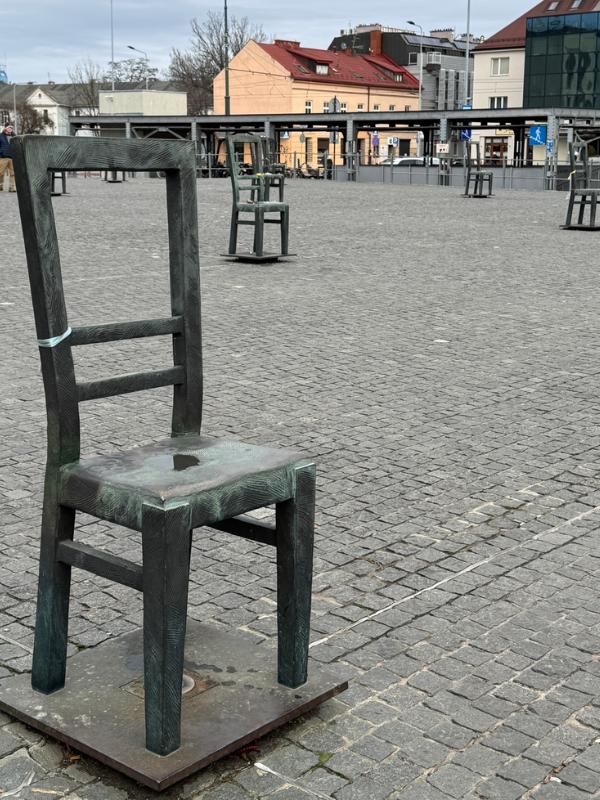
Poland has a complex and often painful 20th-century history. There are many WWII and Holocaust sites open to the public. It is important to remember that these are not tourist ‘attractions’ but places where traumatic and tragic events took place.
Tips:
- Be respectful and quiet at memorials like Auschwitz-Birkenau, Warsaw Uprising Museum, and Majdanek. Respect the rules at these sites.
- Don’t take selfies or pose in sensitive areas.
- Some sites are outdoors with little shade so dress for the weather. Be prepared for extensive walking.
- Dress appropriately and avoid clothing with potentially offensive slogans and images. Avoid loud conversations.
- Due to upsetting content, some sites have recommended age restrictions for children.
💡 Tip: Consider hiring a guide to gain deeper context and understanding.
10. Polish People May Seem Reserved But They Are Very Friendly 🧍🤝
Poles are often described as formal or serious but we found them to be warm and generous once you connect.
Tips:
- Don’t expect small talk or overly expressive gestures from strangers.
- A handshake or slight nod is standard when greeting.
- Be polite and say hello and goodbye when entering and leaving small shops or restaurants.
💡 Tip: If you’re invited to someone’s home, it’s considered polite and respectful to bring flowers or a small gift.
11. Avoid Controversial Topics in Public Conversations 🗣️🚫
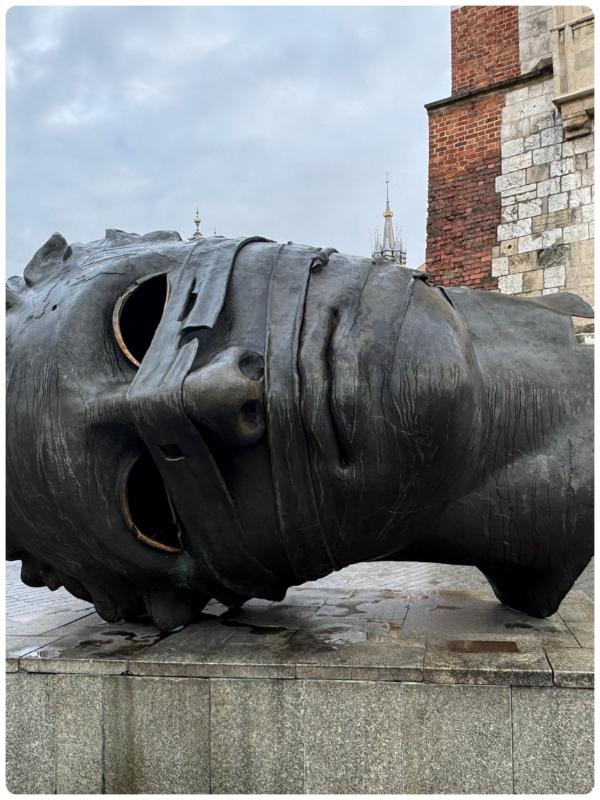
Politics, history, and religion can be sensitive subjects in Poland, especially with strangers.
Tips:
- Avoid discussing WWII, current politics, or LGBTQ+ rights unless invited into a safe and open conversation.
- Focus on shared interests like food, travel, or culture.
💡 Tip: If someone brings up a sensitive topic, listen respectfully and steer the conversation gently if needed.
12. Poland Is More Than Kraków – Take the Road Less Travelled🚂🌲
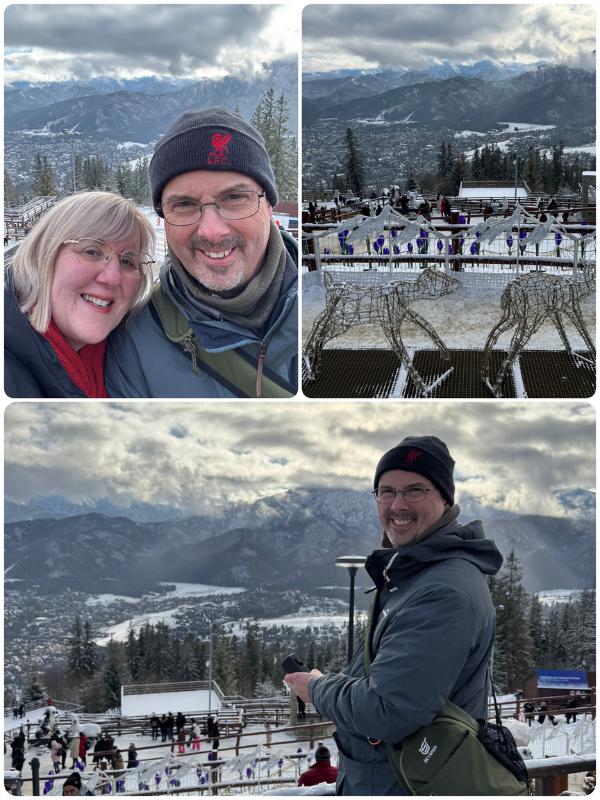
While Kraków and Warsaw are highlights for many visitors, Poland has many lesser-known gems. We recommend seeking out quieter and cheaper locations and planning a mix of city and countryside.
Consider exploring:
- Wrocław – Colourful architecture and gnome-hunting
- Gdańsk – A seaside city with rich maritime history
- Zakopane – This Tatra Mountain town is known for hiking and skiing
- Lublin – A historic town with fewer crowds
- Białowieża Forest – One of Europe’s last primeval forests, home to wild bison
💡 Tip: For day trips or multi-city itineraries take the train. It’s quick, clean, scenic and affordable!
Final Thoughts
Poland is a country where history and modernity meet and where every castle, museum, and town square tells a story. By understanding the local customs, language quirks, and travel logistics, you’ll have a smoother, more enriching experience.
Whether you’re tracing medieval paths in Gdańsk or enjoying a quiet moment in a Warsaw café, your first trip to Poland is unlikely to be your last. We cannot wait to return.
Read next – Guide for first-time visitors to Hungary

![Bali travel tips [essential tips for first-time visitors]](https://globaltravelplanning.com/wp-content/uploads/2023/07/Bali-Guide.jpg)