
What to Pack for Morocco [With packing list]
Packing for Morocco is much easier when you keep it practical. You will be walking a lot, moving between different settings, and dealing with changing temperatures depending on the time of day and where you are.
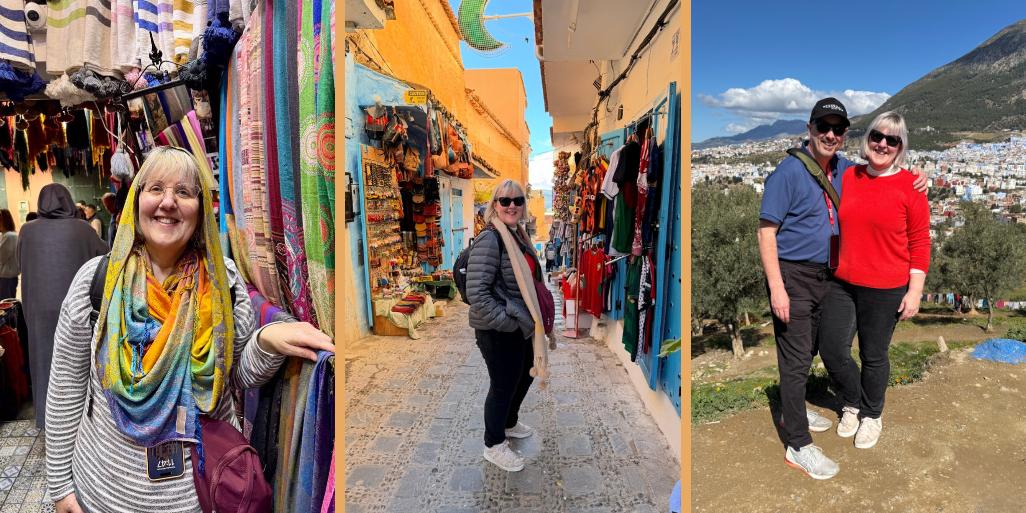
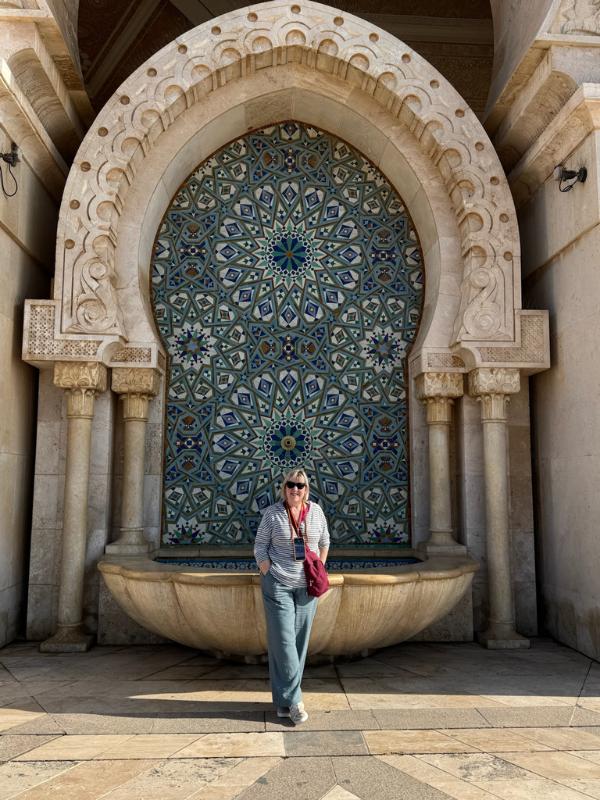
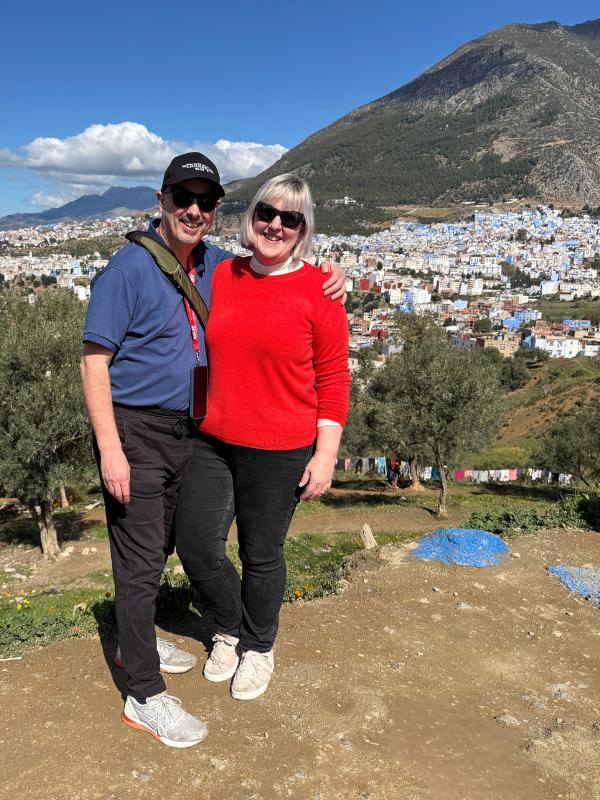
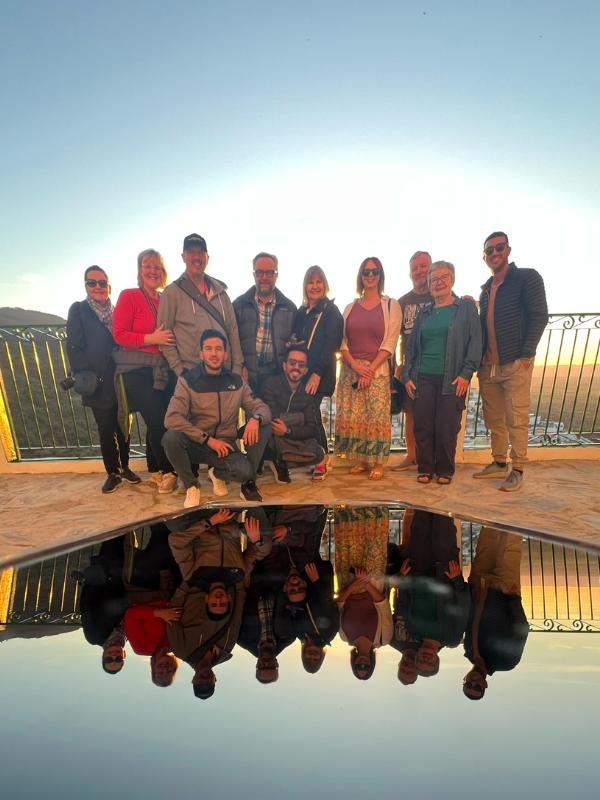
This guide is based on what actually worked for us on our trip, including what I wore most days while travelling around Morocco. I’ve also included pictures of our group so you can see what others wore (as you will see I only had a few outfits!)
What to Pack for Morocco
What to Wear in Morocco as a Woman
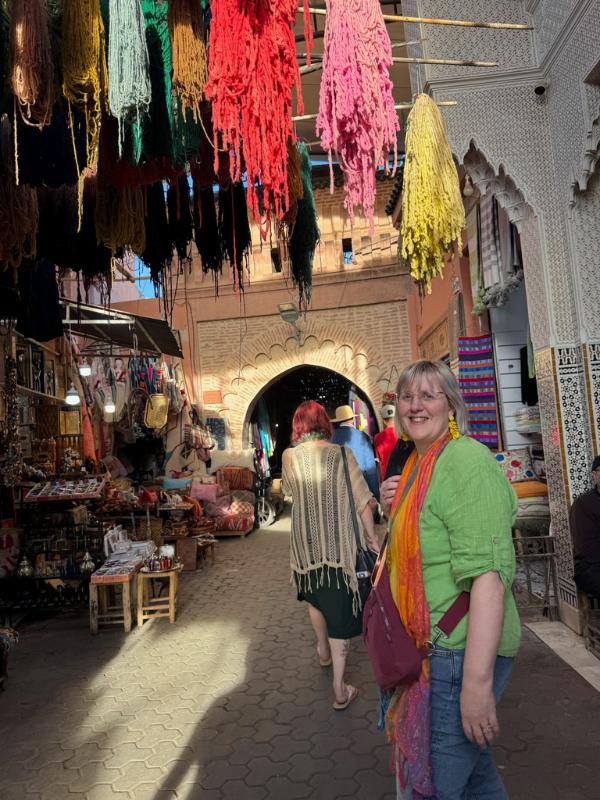
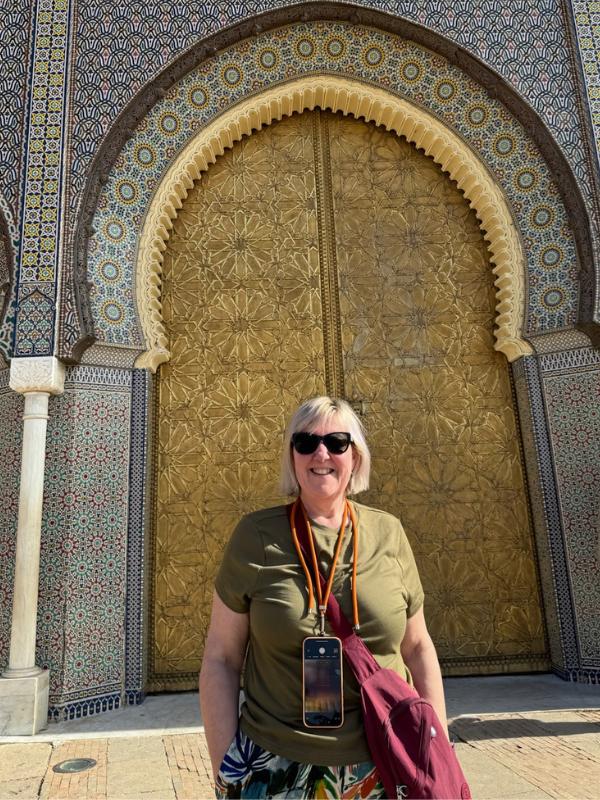
In many public spaces in Morocco, dress is generally modest, particularly away from hotels and more tourist-focused areas.
For sightseeing, tops with higher necklines and covered shoulders are a sensible choice.
Clothing choices varied across our group. Some women chose to wear shorts, particularly in warmer weather and in more tourist-focused areas. As with everything in Morocco, it often comes down to context and personal comfort. Being mindful of where you are tends to matter more than following a strict set of rules.
Tops and Layers
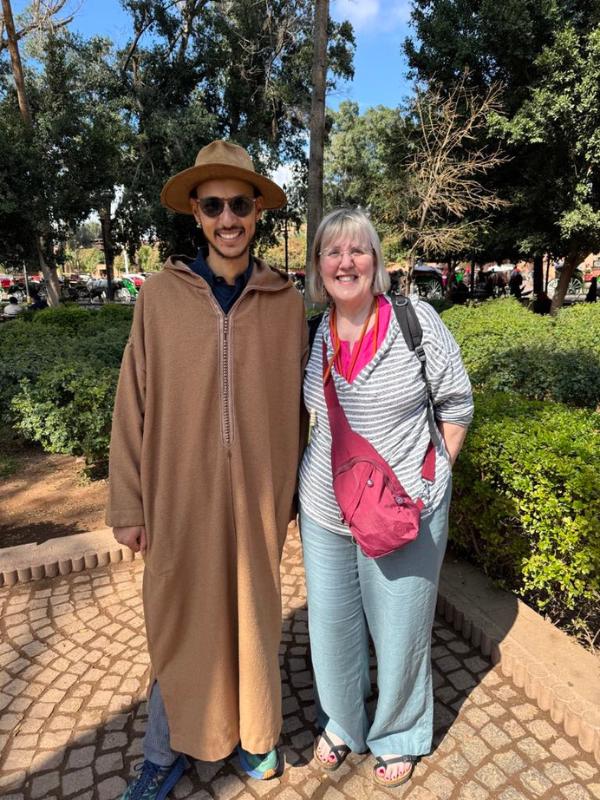
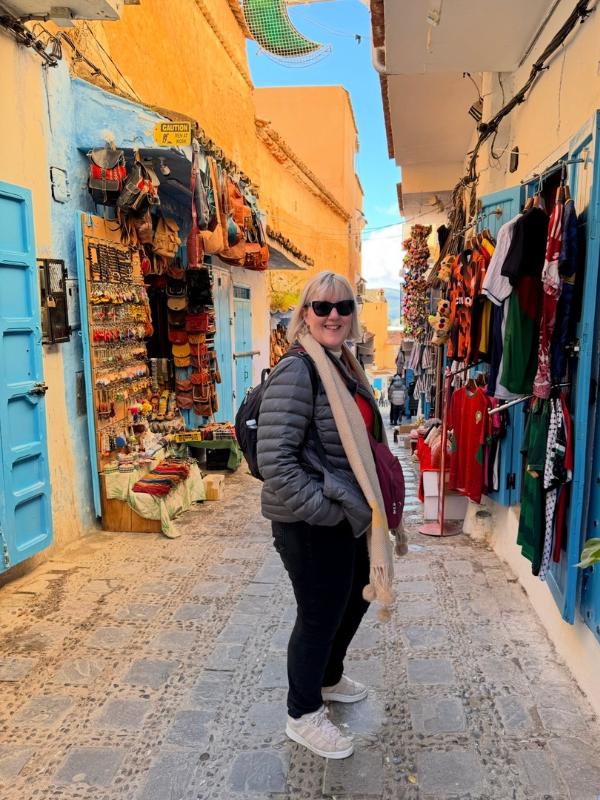
Layers are important.
Long-sleeve tops were practical for sightseeing, with a light jumper or cardigan added as needed. A lightweight jacket or packable puffer was useful for cooler mornings, evenings, and air-conditioned interiors.
Bottoms
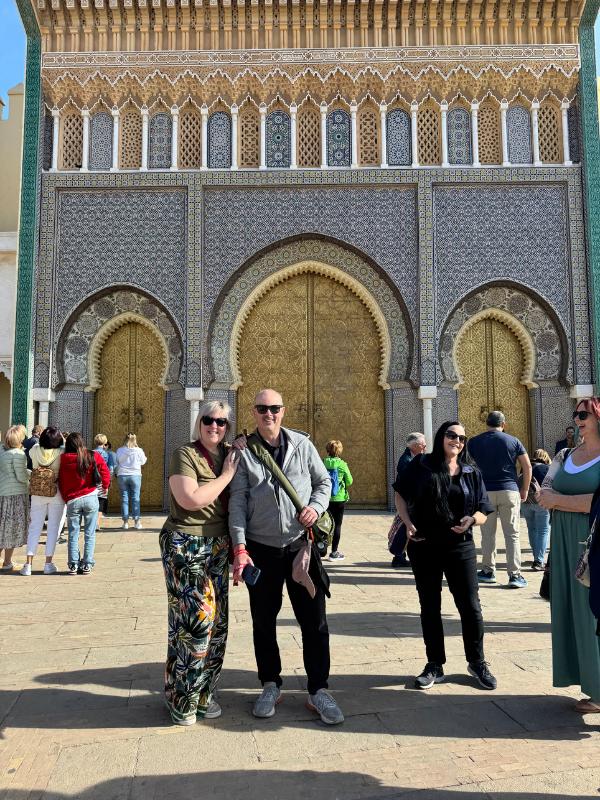
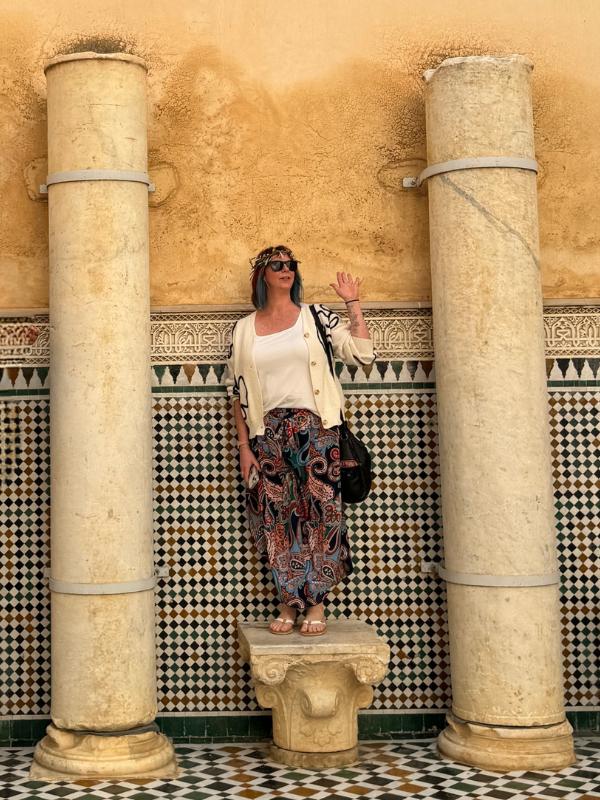
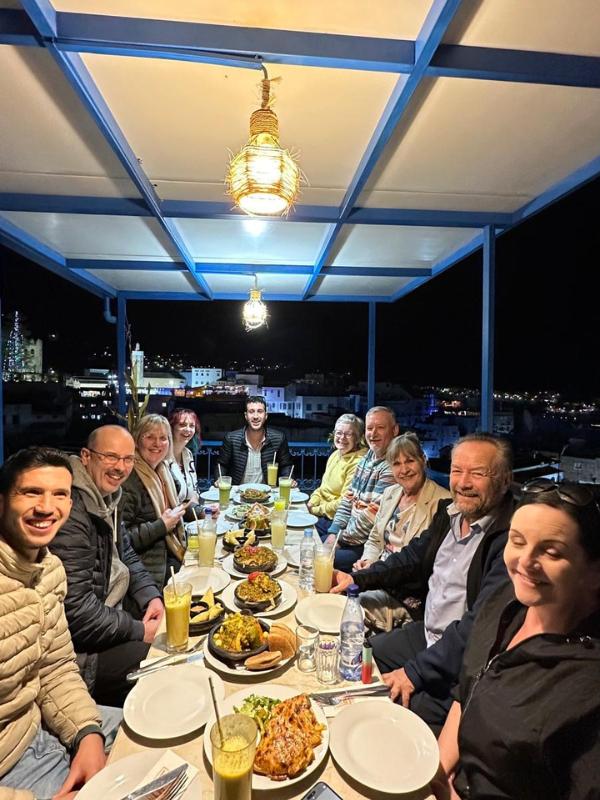
For day to day sightseeing, I wore jeans or loose trousers. Some of the group wore longer loose skirts and on some days shorts.
Jeans worked well in cooler conditions, especially in the mornings and evenings. Loose trousers were comfortable on warmer days.
Shoes
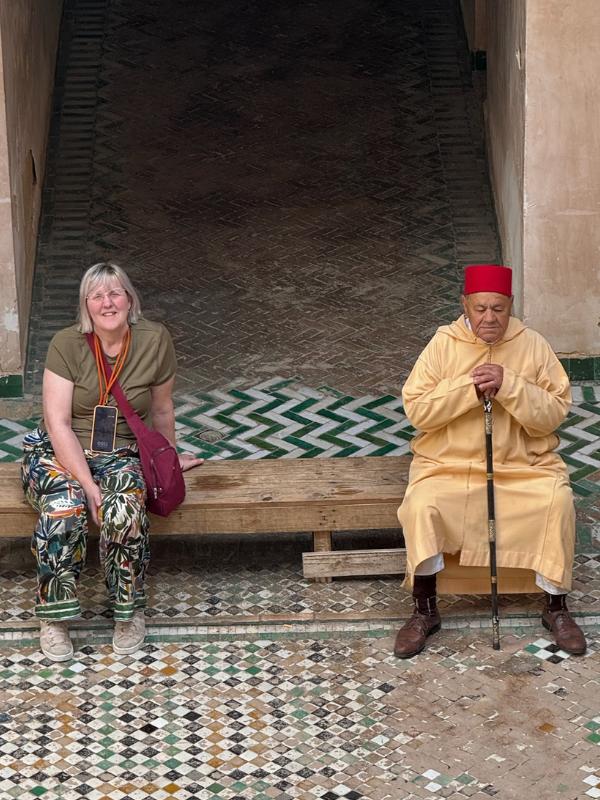
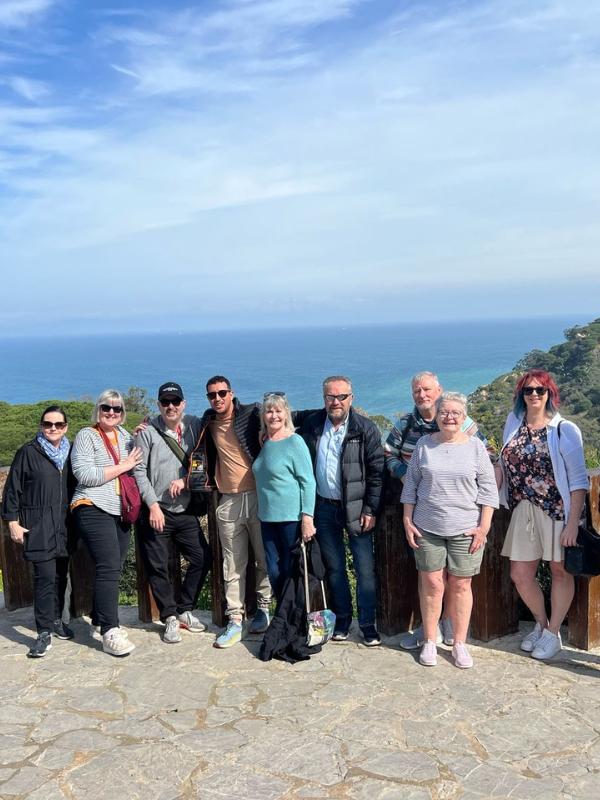
You will walk a lot in Morocco, often on uneven surfaces.
I wore trainers a lot which and worked well for sightseeing and medinas (there can be donkey and cow poo so best wear covered shoes!).
A second pair of comfortable flats or sandals was useful, but there was no need for anything dressy. I wore my Birkenstocks as an alternate to my trainers.
Scarves
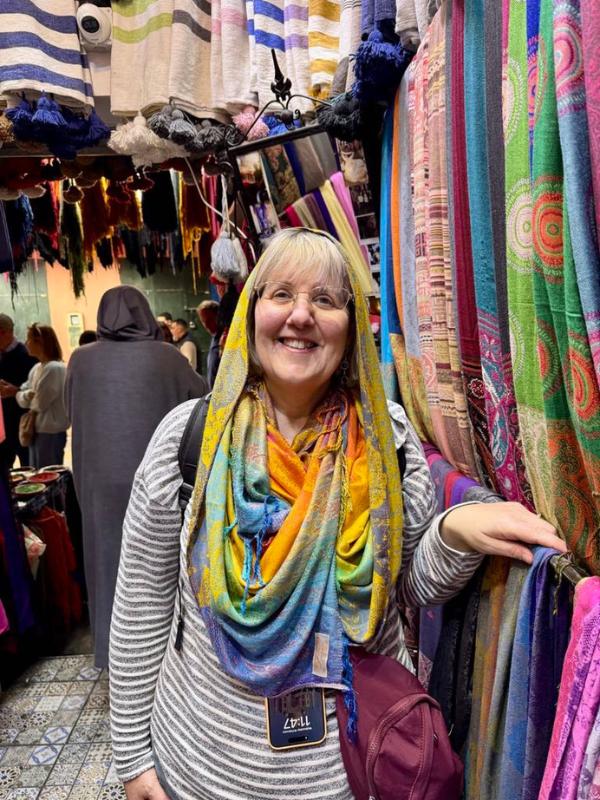
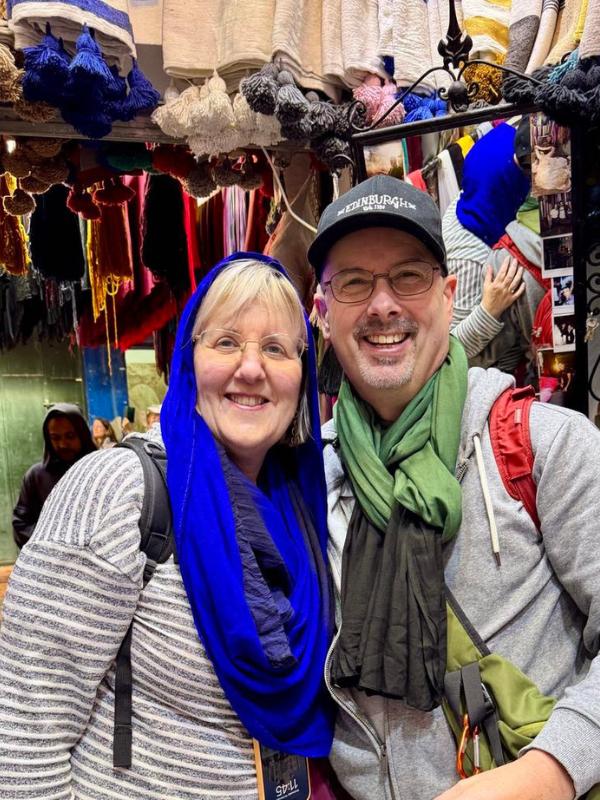
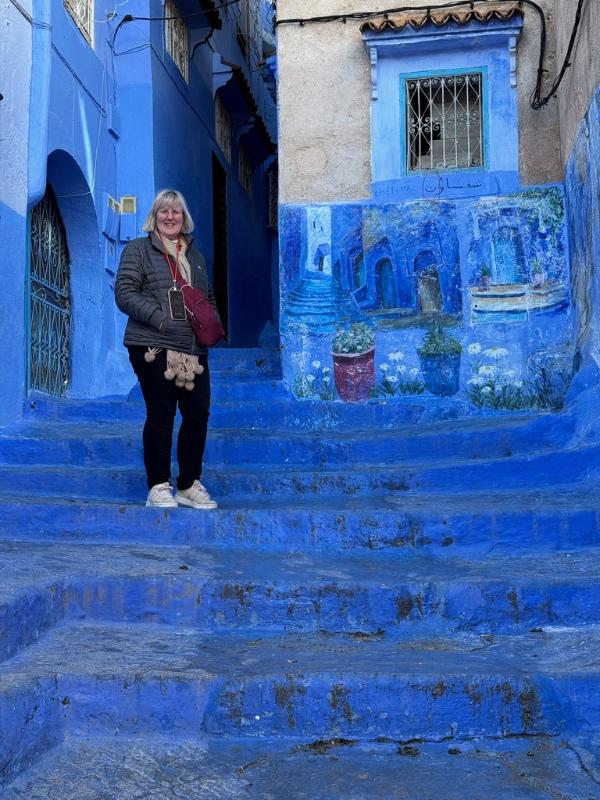
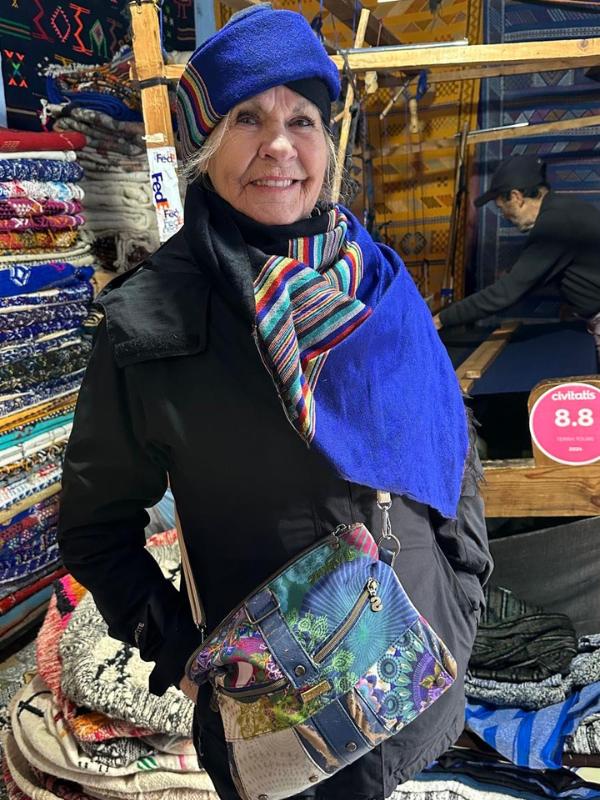
A scarf was one of the most useful items to pack.
It was handy for warmth, sun protection, and occasional coverage when visiting certain sites. It also made it easy to adjust an outfit without changing clothes.
You will also find plenty of scarves for sale in the medinas, so it is easy to pick one up locally.
Visiting Mosques and Religious Sites
Some religious and historic sites require modest dress.
Having shoulders and knees covered avoided any issues, and a scarf was enough for additional coverage when needed. Nothing special was required beyond clothes already worn day to day.
Bags and Day Packs
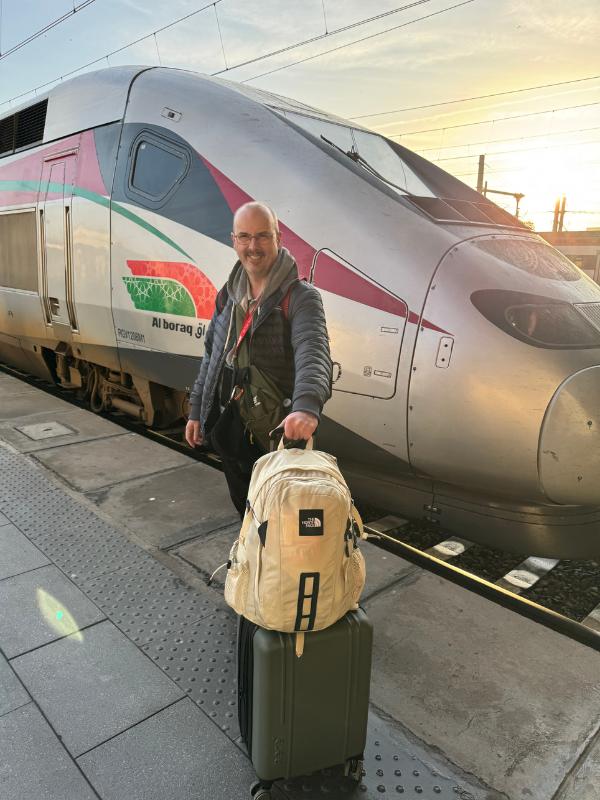
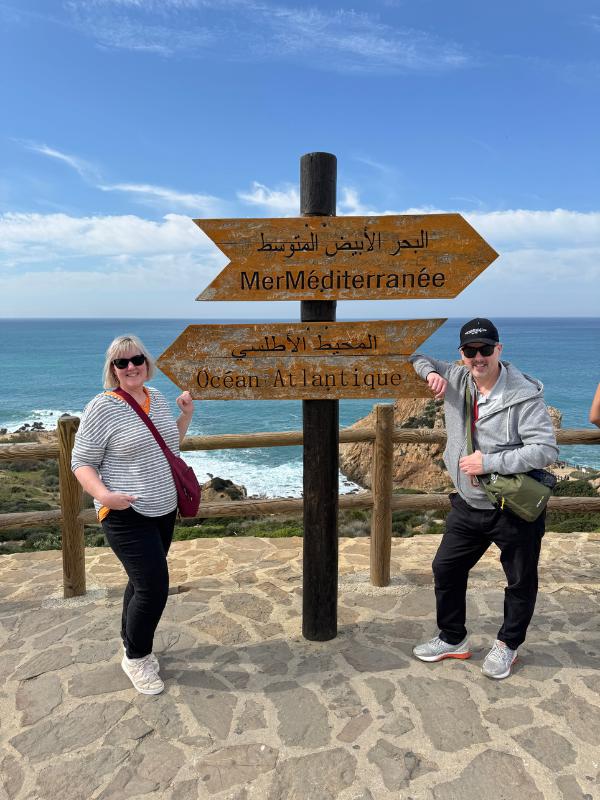
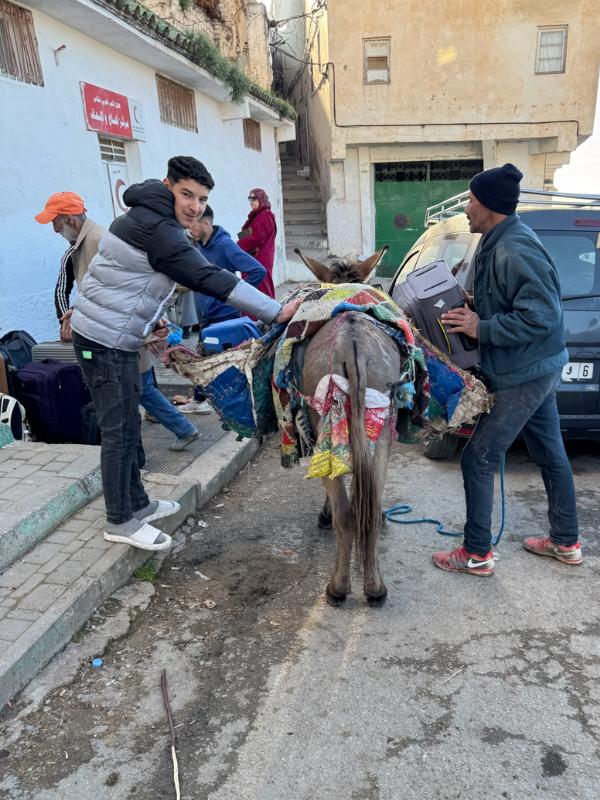
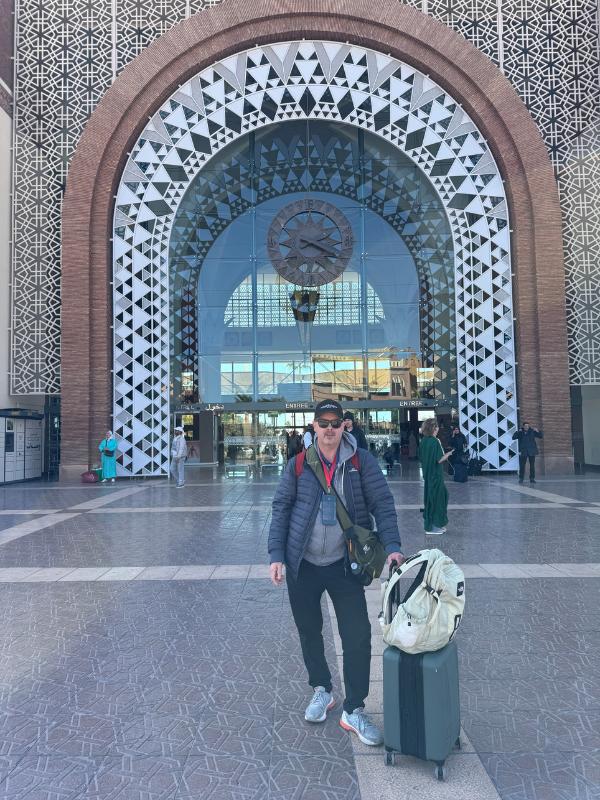
For daily use, a small crossbody bag or compact backpack worked best.
Bags with zips felt more practical in busy areas, and hands-free options made walking through markets and medinas easier.
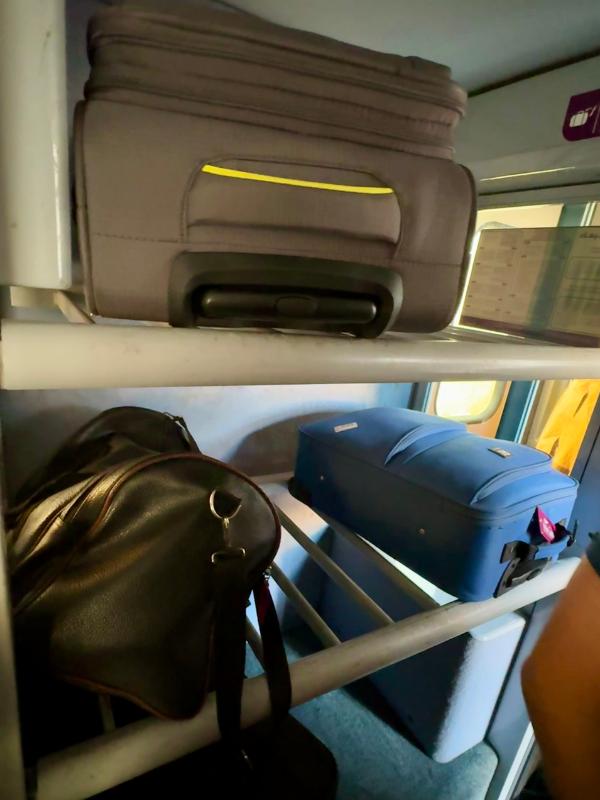
Donkeys will be used to carry your suitcase to riads but I would still recommend a smaller size case. We has one small suitcase, a larger backpack (on the suitcase above) and one day pack. We also had a cross body bag each.
Practical Extras Worth Packing
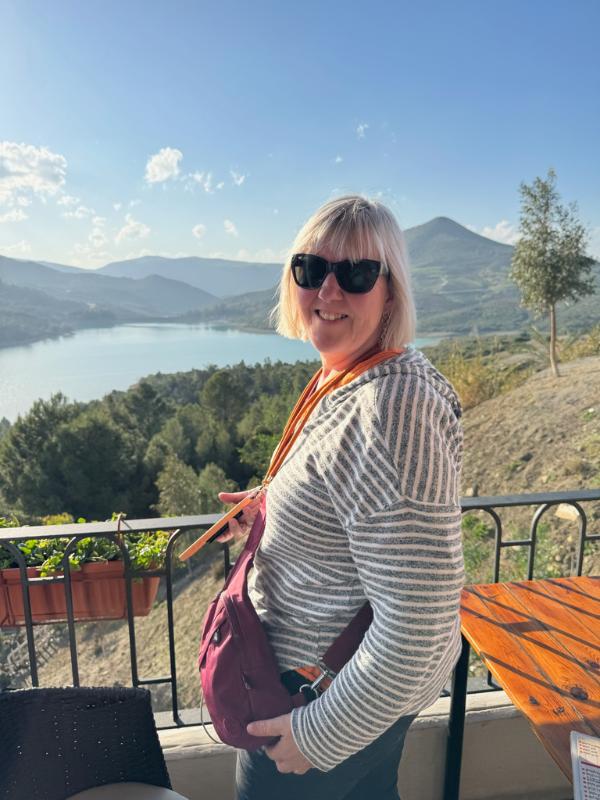
These are the small things that do not seem important when packing, but were used almost every day while travelling around Morocco.
Toilets and hygiene
Public toilets are not always easy to find, particularly when sightseeing or travelling between cities, and facilities can be basic.
Packing a small supply of tissues or toilet paper and a pocket-sized hand sanitiser made a noticeable difference day to day and took up very little space. A small pack of wet wipes was also handy when facilities were limited.
It was useful to carry basic pain relief and any regular medication in original packaging.
Tech and day-to-day logistics
Having a few simple tech items easily accessible made long sightseeing days much easier.
A phone lanyard or neck strap is very useful, especially in busy markets and medinas. It makes taking photos easier without constantly having to take your phone in and out of your bag.
A portable power bank came in handy on long days out too.
Bring headphones so you can listen to audiobooks or podcasts (for inspiration check out our favourite travel podcasts)
A travel adaptor is also essential. Morocco uses European-style plugs (Type C and E).
Phones, data, and navigation
Having mobile data is always an essential for me. We travelled with an eSIM already installed before arriving, which meant our phones worked as soon as we landed.
This removed the need to buy a local SIM on arrival and was one less thing to think about after the flight.
Read our article which compares the best eSims for Global Travel
Money and documents
Cash is widely used in Morocco, particularly in markets, taxis, and smaller shops.
I always had some Moroccan dirhams with me in my crossbody bag when out and about. Smaller denominations were especially handy for everyday purchases.
Note that we found the money to be quite dirty so ensure sure you have hand sanitiser!
Having digital or paper copies of passports and travel documents is also sensible, just in case.
Comfort and health
A few comfort items were used regularly, especially with sun, wind, and walking days.
Useful extras included lip balm, moisturiser or hand cream, sunglasses, sunscreen, and a refillable water bottle. On warmer days rehydration sachets may be helpful.
Luggage Tip for Travelling Around Morocco
If you are moving between cities, keeping luggage manageable makes a big difference.
A practical approach when starting and ending your trip in Marrakesh is to travel internationally with a larger suitcase and pack a smaller suitcase or bag inside it. The larger suitcase can be left at your hotel or riad while you travel around Morocco with just the smaller one.
What to Pack for Morocco in March
March is a great time to visit Morocco, but conditions do vary by location and time of day.
On our trip (which was mid-Feb to early March), we had warm sunny days, cooler mornings and evenings, and noticeable temperature differences between cities. Coastal areas felt breezier, while inland stops were warmer during the day.
March Weather Overview
- Daytime temperatures are usually mild and comfortable
- Mornings and evenings can feel cool
- Coastal areas are often windier
- Interiors such as riads can be cool first thing in the morning
What Was Especially Useful in March
These were the items I was most glad I packed.
- A lightweight jacket/puffer
- Long sleeves for layering
- Jeans for cooler mornings and evenings
- Trainers suitable for long walking days
- A scarf for warmth and flexibility (or buy one!)
- Earphones
- Phone lanyard
- Hand sanitiser
- Earplugs (and an eye mask)
What to Pack for Morocco – Packing List
Click here to download the Morocco Packing List PDF
Clothing
- Long-sleeve tops (great for sun and modest coverage)
- A couple of short-sleeve tops for warmer days
- Light jumper or cardigan for layering
- Lightweight jacket or packable puffer (especially for mornings and evenings)
- Jeans for cooler days and evenings
- Loose trousers for warmer days and comfort
- Optional: shorts (some women in our group wore shorts in tourist-focused areas but avoid short shorts!)
- Sleepwear
- Earplugs and an eye mask
- I use compressible packing cubes like these to fit in as much as possible!
Shoes
- Comfortable trainers
- Sandals or other comfortable flats
Accessories
- Scarf
- Sunglasses
- Hat
- Crossbody bag or small backpack with secure zips like this one
- Phone lanyard or neck strap
Toilets and hygiene essentials
- Hand sanitiser
- Tissues or toilet paper (public toilets often do not provide any)
- Small pack of wet wipes
- Lip balm
- Moisturiser or hand cream
Tech and day-to-day logistics
- Travel adaptor (Type C and E are common)
- Portable power bank
- Charging cables
- Headphones
- eSIM (ideally installed before arrival, so your phone works as soon as you land)
Money and documents
- Small amount of cash in Moroccan dirhams (many places are cash-only)
- Slim wallet or pouch that fits inside your crossbody bag
- Copies of passport and travel documents (digital and or paper)
- Travel insurance details (saved on your phone and easy to access)
Comfort and health
- Any regular medication (kept in original packaging)
- Basic pain relief
- Small first-aid kit (plasters, blister pads, antiseptic wipes)
- Rehydration sachets
Laundry and clothing care
- Travel washing line (or a lightweight drying line)
- Travel wash sheets or a small pack of laundry detergent
- A few pegs or clips (optional, but surprisingly useful)
Practical extras
- Sunscreen
- Refillable water bottle
- Lightweight rain jacket
Luggage
- Small wheeled suitcase
- Day bag with secure zips
- Small cross-body bag
- Optional: a foldable tote bag (useful for snacks, a scarf purchase, or extra bits during the day)
Leave some space in your suitcase. Morocco is a destination where it is very easy to pick up scarves, textiles, and other small items along the way. You may also enjoy my article about things to buy in Morocco.
Small Note: What Not to Take to Morocco
Some items are best left at home.
- Drones are not permitted and are often confiscated at the airport (I left mine in the UK – they check your luggage after customs and before you depart the airport)
- Camouflage or military-style clothing can attract unwanted attention
- Avoid clothing with offensive slogans or images
- Some prescription medications are restricted. Keep medicines in original packaging
Final thoughts
Packing for Morocco does not need to be complicated. Comfortable clothes, light layers, and practical footwear worked well across cities, markets, and sightseeing days.
Temperatures and settings can vary depending on location and time of day, so flexibility matters more than quantity. Packing with walking, changing conditions, and local customs in mind made getting around easier and more enjoyable.
More resources and tips for Morocco
![What to Buy in Morocco [+ Medinas Shopping Tips]](https://globaltravelplanning.com/wp-content/uploads/2025/03/What-to-buy-in-Morocco.jpg)


