Germany Travel Tips for First-Time Visitors
Germany is efficient, welcoming and easy to travel around, but it operates according to a set of social and practical rules that are worth understanding before you arrive. Knowing how things work will help your trip run smoothly and avoid small but frustrating surprises.
🇩🇪 Germany Travel Tips for First-Time Visitors
GTP Podcast Episode #45 with Germany Travel Specialist Cate Brubaker
Cash Is Still King
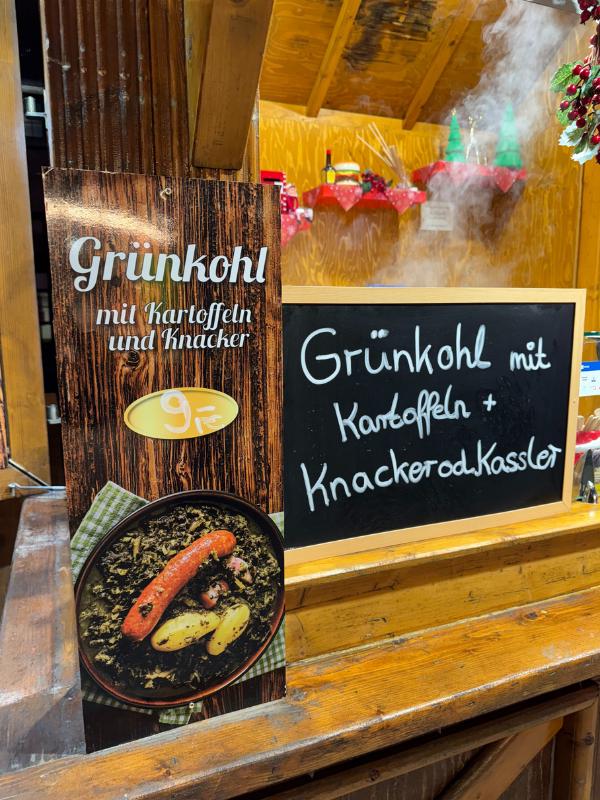
Despite its modern economy, Germany remains surprisingly cash focused. Many beer gardens, bakeries and small shops do not accept cards, even in cities like Berlin and Munich.
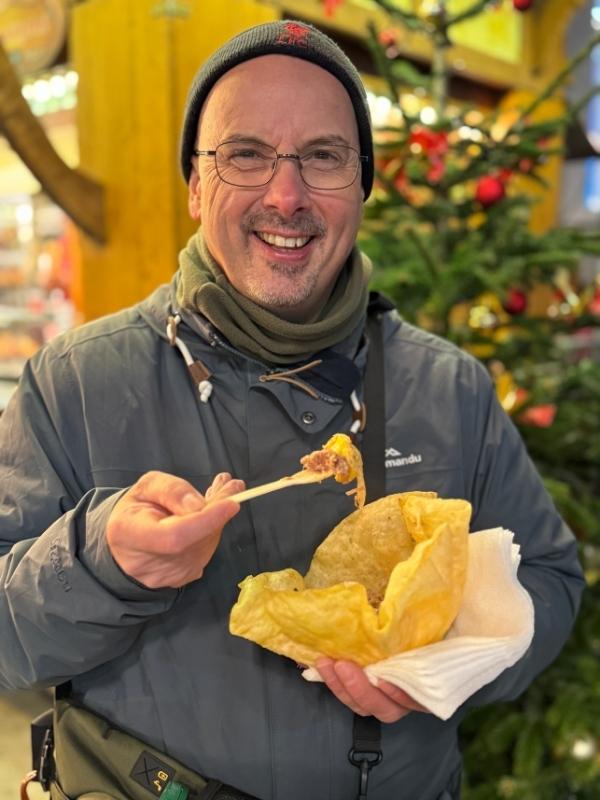
Christmas markets, food trucks and neighbourhood cafés are almost always cash only. Some places accept cards but impose minimum spends, making cash more practical for everyday purchases.
We got caught out with this on our last visit as we had expected cities in Germany to be as cashless as other places we had been such as Paris and London.
Always carry at least €50–100 with you. ATMs are common, but it is far better to withdraw money in advance than discover you cannot pay for that delicious street food!
The Sunday Standstill
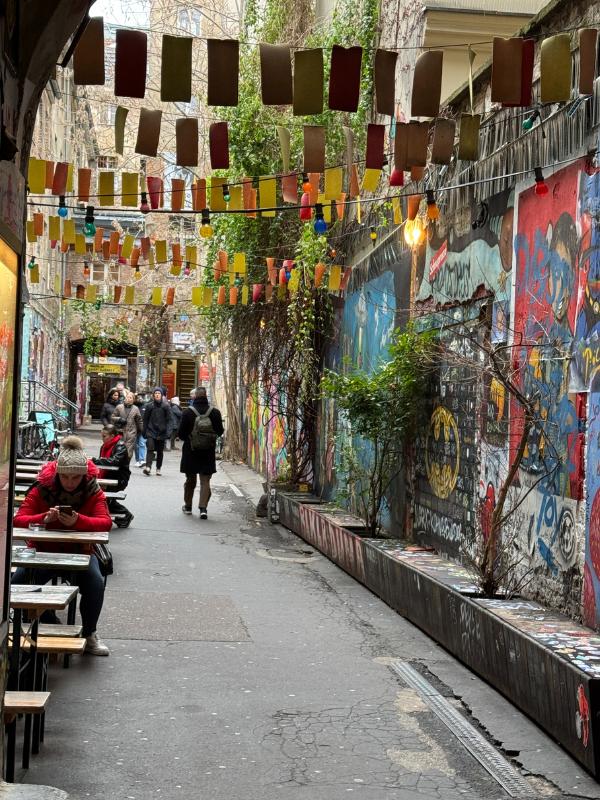
Almost all shops, supermarkets and pharmacies close on Sundays due to strict labour laws. Restaurants, cafés, museums and tourist attractions remain open, but shopping is essentially impossible.
Use Saturday to stock up on groceries and essentials. Sunday is best spent visiting museums, parks, castles or enjoying a long lunch. Some bakeries open briefly on Sunday mornings, and petrol stations sell basic groceries at inflated prices if you are caught out.
Punctuality Really Matters
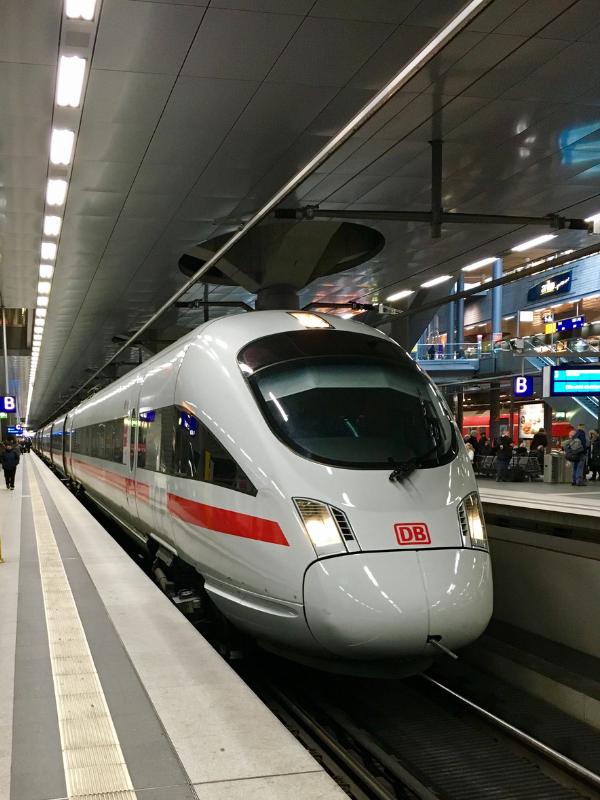
If something is scheduled for 10:02, it departs at 10:02. German punctuality is not a stereotype, it is a cultural expectation.
Arrive early for trains, tours, appointments and reservations. There is no grace period for lateness, and trains will leave on time. Build buffer time into connections, especially when changing trains or heading to airports.
Understanding the Pfand System
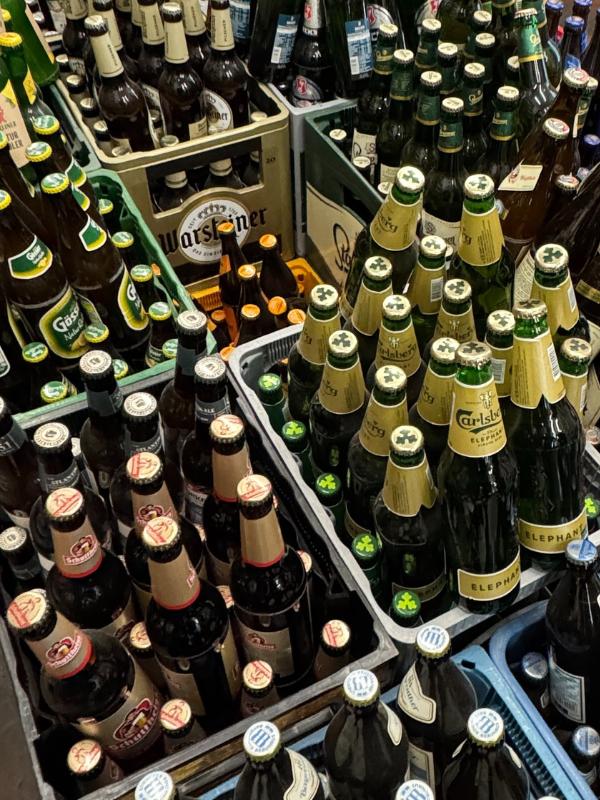
When you buy drinks in bottles or cans, you pay a small refundable deposit called Pfand. Return the empty container to a machine at a supermarket to get your money back.
Pfand usually ranges from €0.08 to €0.25 depending on the container. The system works extremely well. Do not throw bottles in bins. Either return them yourself or leave them neatly beside a bin for collectors, which is socially normal.
Pedestrian Discipline
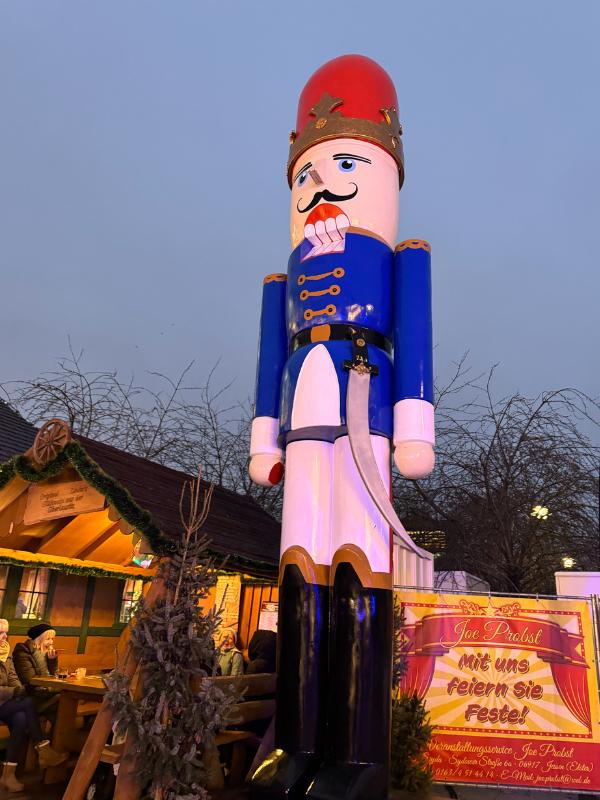
Do not cross the road on a red pedestrian light, even if the street is empty. Germans view jaywalking as irresponsible behaviour, especially around children.
Fines are small but real, and disapproving looks are common. Wait for the green Ampelmännchen and follow local expectations.
Water Is Not Free in Restaurants
Tap water is excellent quality, but restaurants do not usually serve it. You will be expected to order bottled water and specify still or sparkling.
A bottle typically costs €3–7. This is standard practice and not a tourist trick. If you want still water, ask clearly for Stilles Wasser (still water).
Sauna Etiquette Can Surprise Visitors
In German saunas and spas, swimwear is usually not allowed. These are textile-free environments for hygiene reasons, and mixed-gender nudity is normal and non-sexual.
You must bring a towel to sit on, but otherwise nudity is expected. Some facilities offer textile days where swimwear is required. If this is uncomfortable, stick to swimming pools where swimwear is mandatory.
Validate Public Transport Tickets
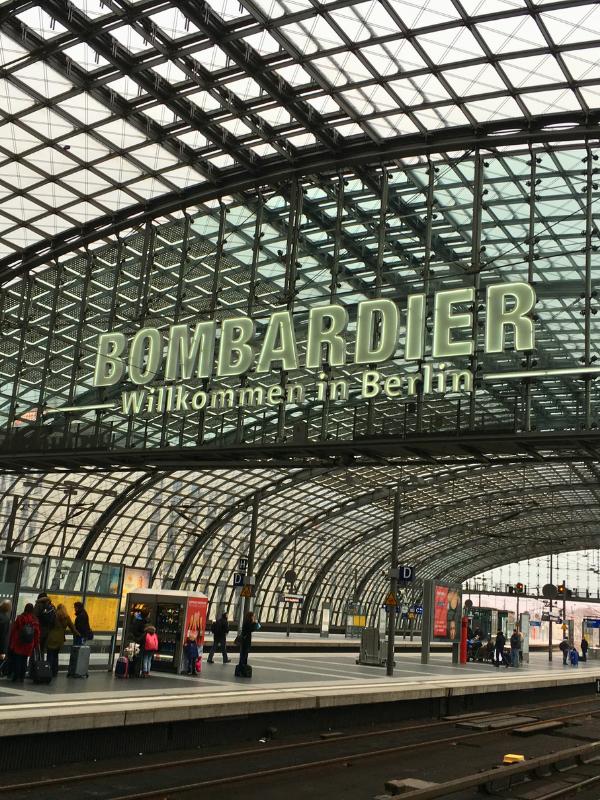
Paper tickets and day passes must be validated before travel. Stamp them in the machines on platforms or inside buses and trams.
Ticket inspections are frequent, and fines of €60 are issued on the spot for unvalidated tickets, even if you have paid. Monthly passes and app-based tickets usually do not require validation. When in doubt, validate.
Recycling Is Taken Seriously
Germany (like neighbouring Switzerland) has strict waste separation rules. Expect multiple bins for paper, packaging, organic waste and general rubbish.
Glass is separated by colour at public collection points. Getting this wrong can lead to complaints or fines from accommodation providers. Ask your host to explain the system if you are unsure.
Public Toilets Usually Cost Money
Public toilets are limited and typically cost €0.50 to €1. Keep small coins handy.
Major stations often use paid facilities that issue vouchers redeemable in nearby shops. Toilets are clean, but free options are rare. Restaurants generally reserve toilets for customers only.
Venture Beyond Berlin
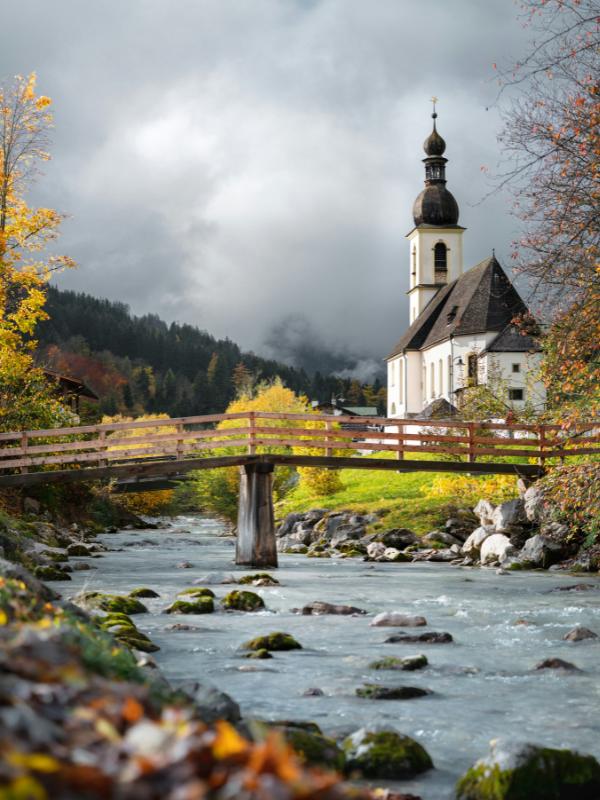
Berlin is fascinating, but it is not representative of the whole country. Germany’s character shines in smaller cities and regional areas.
Bavaria, the Rhine Valley, the Black Forest and medieval towns like Heidelberg and Rothenburg ob der Tauber offer very different experiences. Germany’s rail network makes it easy to explore beyond the capital.
Getting Around Germany Without the Stress
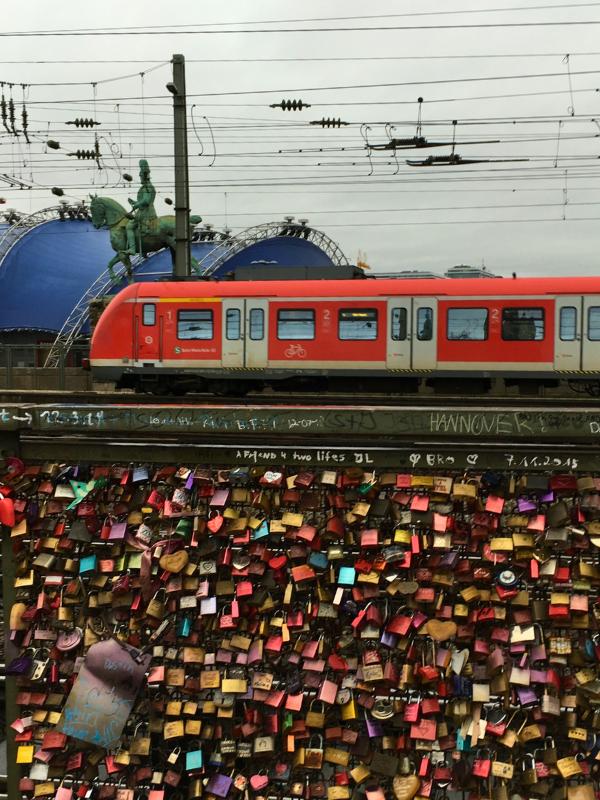
Germany’s rail system is excellent, but planning routes, connections and regional differences can feel overwhelming, particularly when visiting multiple cities. Omio helps you compare options quickly, find the best routes, and book tickets in one simple step, so you can focus on enjoying your journey.
Driving in a new country does not need to feel stressful. Tripiamo’s expert guides, validated by local driving schools, is designed specifically for travellers. It gives you essential local knowledge, must-know road rules, and driving customs that GPS and standard travel apps simply do not cover.
Feel confident and prepared before you arrive, so you can focus on enjoying the journey and exploring further without hesitation.
Frequently Asked Questions
- How many days do I need in Germany?
One week works for Berlin plus one or two additional cities. Two weeks allows you to explore several regions comfortably.
- Is Germany expensive?
Mid-range by European standards. Berlin is cheaper than Munich or Hamburg. Food and public transport are reasonably priced, and supermarkets are excellent value.
- Do I need to speak German?
English is widely spoken in cities. In rural areas, German is more useful. Learning basic phrases is appreciated.
- What is the best time to visit?
May to September offers the best weather. Christmas markets from late November to December are magical. Spring and autumn are quieter.
- Is public transport easy to use?
Yes. Trains and local transport systems are efficient and reliable once you understand ticket types and zones. The DB Navigator app is essential.
- What about Oktoberfest?
Held in Munich from mid-September to early October. Book accommodation well in advance and bring cash. It is busy, expensive and worth experiencing once.
- What should I eat?
Try currywurst, schnitzel, pretzels, bratwurst and regional specialties. German bakeries are excellent for breakfast.