
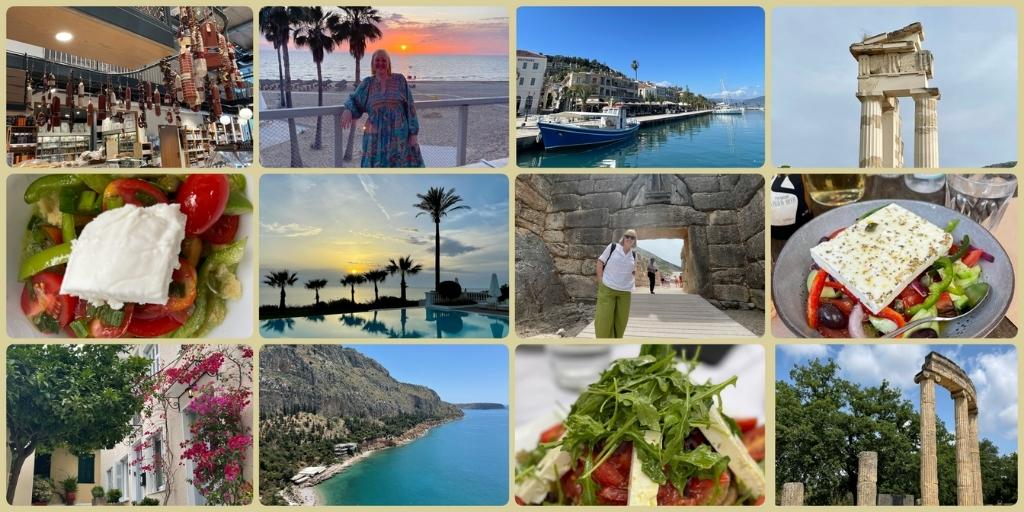
Greece Travel Tips for First-Time Visitors
Greece often feels familiar before you arrive, thanks to its global reputation for ancient ruins, blue seas and island sunsets. What surprises many first-time visitors are the logistics. Distances, weather, ferries and local rhythms all play a role in how enjoyable your trip feels. These Greece travel tips will help you plan more smoothly and avoid common frustrations.
🇬🇷 Greece Travel Tips for First-Time Visitors
Plan by the Season
As with other countries in Southern Europe like Italy, Spain and Portugal the months of July and August bring both extreme heat and heavy crowds.
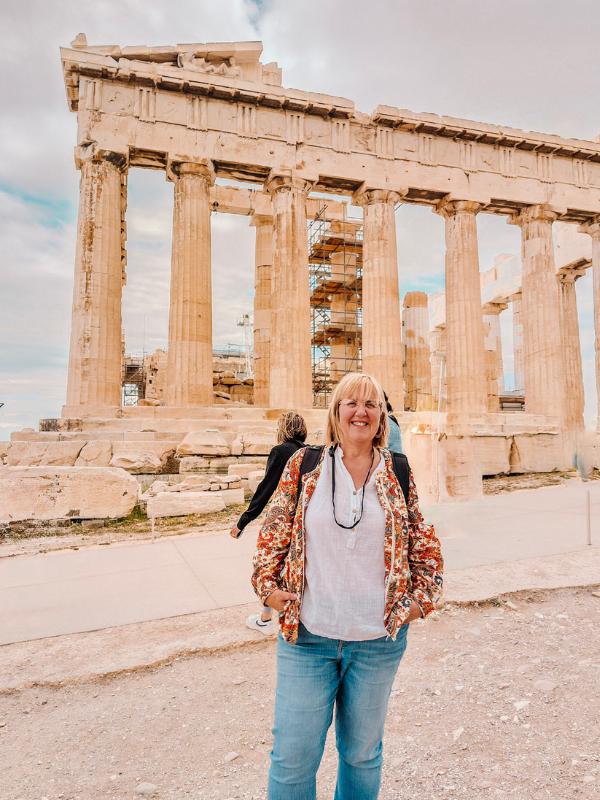
Temperatures frequently exceed 35°C, and popular sites such as the Acropolis can have queues lasting two hours or more. Marble surfaces become painfully hot, and sightseeing without proper footwear can be uncomfortable. Not to mention the risk of heatstroke!
The shoulder seasons of May, June, September and October are far more pleasant. Temperatures usually sit between 20°C and 28°C, accommodation prices are often 30–50% lower, and crowds are significantly reduced. The sea stays warm enough for swimming well into October, especially in the southern islands.
Flights are also much cheaper outside peak summer, with savings of 40–60% common on routes from the UK and beyond.
Read – Where to travel each month: Destinations for every time of year
Mainland or Islands
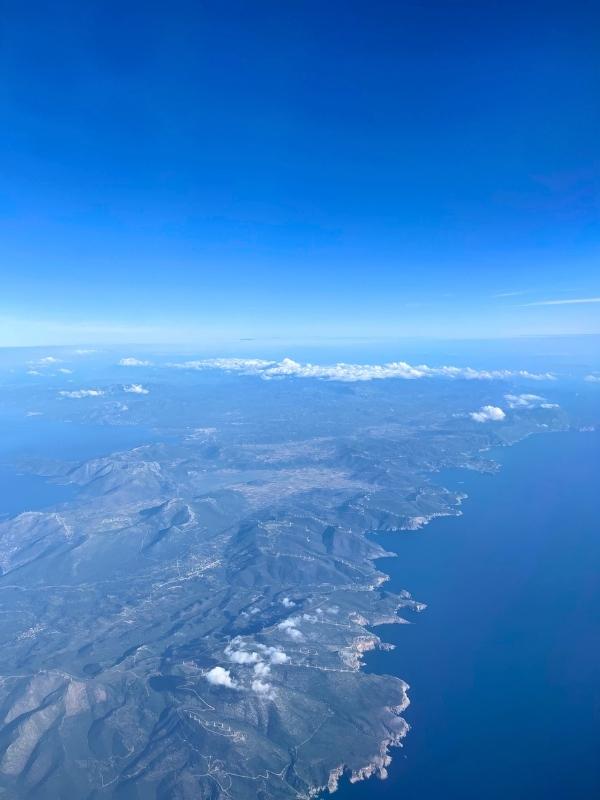
Mainland Greece is rich in archaeology, mountains and historic towns, while the islands offer very different coastal experiences. Trying to combine too much in one trip can lead to your time being spent in constant travel rather than relaxation and exploration.
Covering Athens, Delphi, multiple islands and Crete in a single week usually means more time in ferry terminals than enjoying the destination. Ferry journeys can take several hours, and connections are not always daily, especially outside peak season.
A more realistic approach is to spend a week in Athens and one or two nearby islands such as Naxos or Paros, or focus on a single mainland region like the Peloponnese, which combines ancient sites, coastline and traditional towns. Fewer places usually result in a far more satisfying trip.
The Ferry Buffer Rule
Ferries are essential for island travel but are highly weather dependent. Never book an international flight on the same day as a ferry journey.
Strong summer winds, particularly the meltemi in July and August, regularly cause delays or cancellations with little notice. Ferry companies are not required to compensate passengers for missed flights caused by weather.
Leave at least 24 hours, and ideally 48 hours, between your final ferry and an international departure. If timing is critical, consider flying between islands and Athens using domestic airlines such as Aegean Airlines or Sky Express, which are generally more reliable.
The Toilet Paper Reality
In many parts of Greece, toilet paper cannot be flushed due to older plumbing systems. Instead, it goes into the bin provided.
Also expect squat toilets in some places such as the bus station in Athens – this took me by surprise and I was not dressed for the occasion!
You will find that the ‘don’t flush the toilet paper’ rule applies to hotels, restaurants and public facilities across much of the country.
While it may feel unusual at first and a bit gross to be honest, you will find that (after a few accidental paper flushes) you do adapt quickly. Bins are emptied frequently and hygiene standards are generally good thank goodness.
Cash Still Matters

Cards are widely accepted in cities, but cash is essential in smaller tavernas, kiosks, buses and remote areas. On smaller islands, card machines are less common and ATMs can be limited or run out of cash, particularly at weekends.
Withdraw money in Athens or larger towns before travelling onward. Carry at least €100–200, plus a small emergency reserve. Some places charge fees for card payments under €10, making cash more practical for everyday purchases.
Just be careful to pay attention when withdrawing cash and carry any money in s cross body theft proof bag. Unfortunately pickpockets are around and will be looking at easy pickings from those who keep money (or phones) in their back pockets!
Dress for Churches and Monasteries
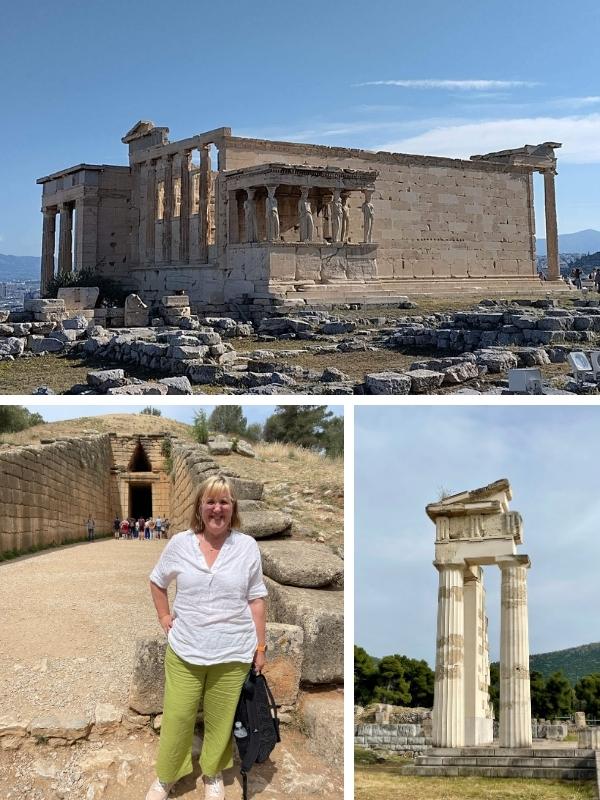
When visiting churches and monasteries, shoulders and knees must be covered. This rule is strictly enforced, particularly at sites such as Meteora.
Visitors are turned away regardless of how far they have walked or queued. Carrying a lightweight scarf or wrap solves most issues and takes up little space. Men should avoid sleeveless tops. These are active places of worship, and the dress code reflects local expectations of respect.
Late Dining Is the Norm

Dinner in Greece is a late affair, especially in summer. Many restaurants do not open for dinner service until 8:00 pm, and tables usually fill around 9:30 pm.
Dining is social and unhurried, often lasting several hours. If you prefer earlier meals, arrive as soon as kitchens open. Alternatively, adopt the local rhythm with a late lunch, a light afternoon snack and a proper dinner later in the evening.
The Power of a Few Greek Words
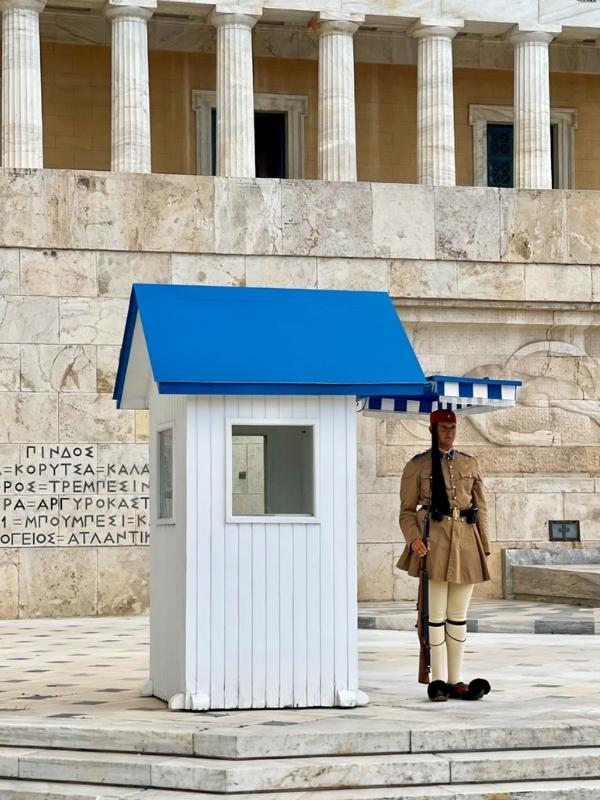
Basic Greek greetings go a long way. Words such as yassou (hello or goodbye) and efcharisto (thank you) are warmly received.
In rural areas and smaller islands, English may be limited, particularly among older residents. Even minimal effort with the language improves interactions and is genuinely appreciated.
Drinking Water Sensibly
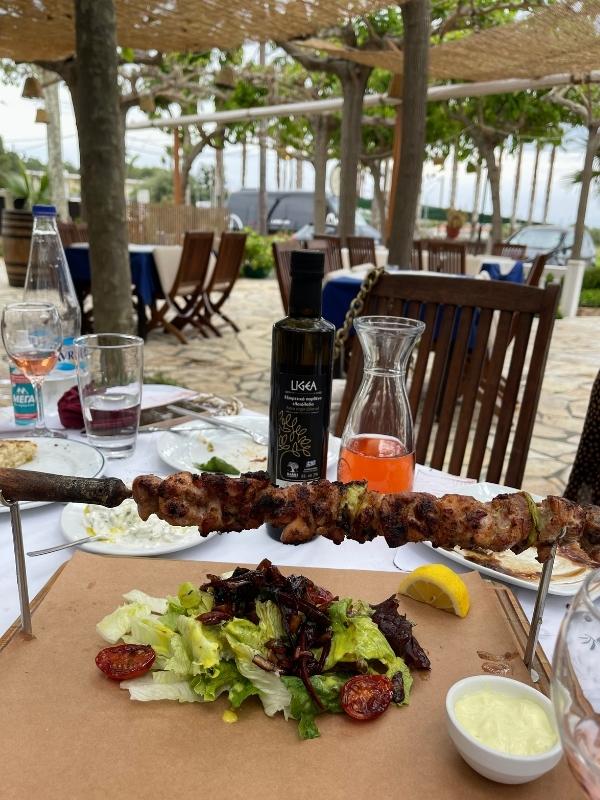
Tap water is considered safe in Athens and Thessaloniki. On most islands, bottled water is recommended due to taste rather than safety.
Island water often comes from desalination plants or tankers and can taste salty or heavily chlorinated. Large bottles are inexpensive in supermarkets, usually under €0.50, making it easy to stay hydrated in the heat.
Visit Major Sites Early
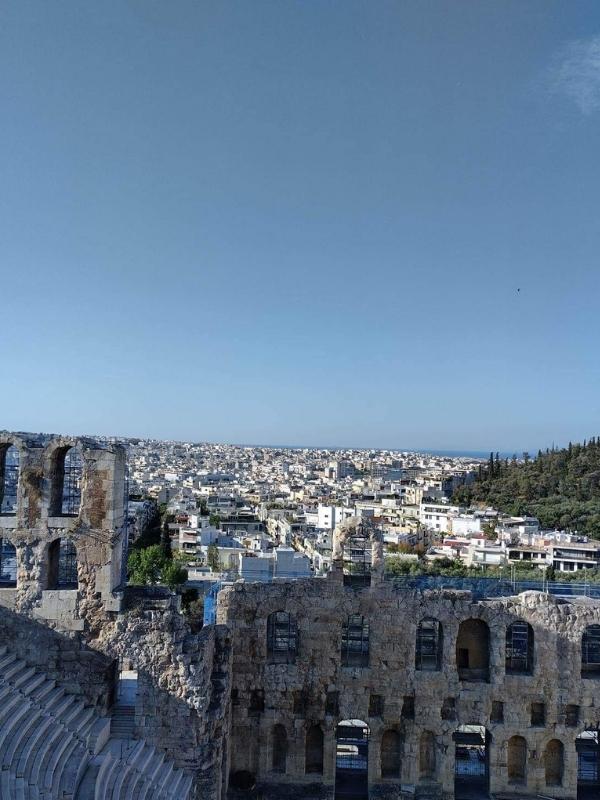
Arrive at major archaeological sites as soon as they open. The Acropolis opens at 8:00 am in summer and becomes crowded within an hour.
Early visits mean cooler temperatures, better light for photos and fewer tour groups. The same applies to Delphi, Knossos, Rhodes and many other popular sites. Book tickets online through official websites to skip queues and save time.
Understand the Afternoon Siesta
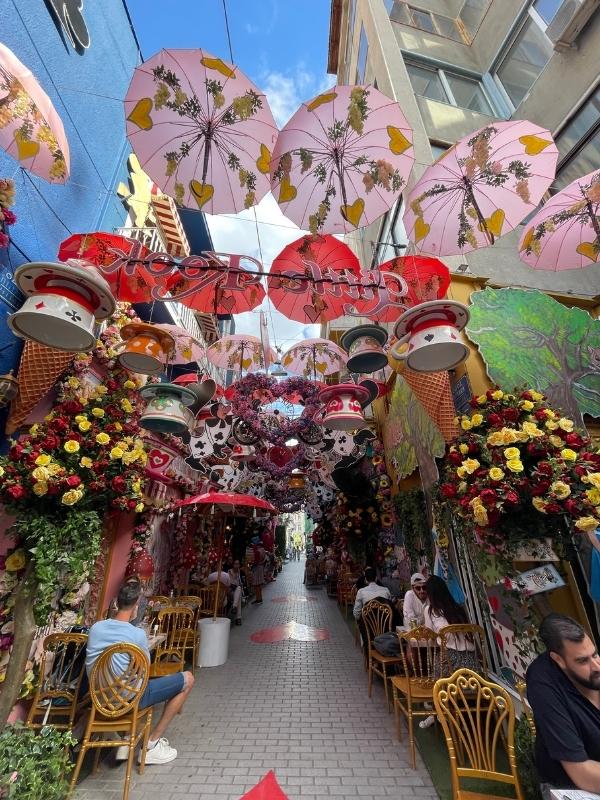
Many shops close between 2:00 pm and 5:00 pm, particularly outside major cities. This reflects the intense afternoon heat rather than lack of interest in business.
Use this time for swimming, resting or enjoying a long lunch. Shops typically reopen in the early evening and stay open late.
August 15th Is a Big Deal
August 15th, the Assumption of Mary, is one of Greece’s most important holidays. Many businesses close, ferries are busy and accommodation books out months ahead.
If travelling on this date, plan carefully. Stock up on supplies the day before and expect limited services. It can be a fascinating cultural experience, but it requires preparation.
Frequently Asked Questions
- How many days do I need in Greece?
One week allows Athens and one or two islands. Ten days to two weeks is ideal for a balanced trip. Three weeks allows time to explore both mainland and islands without rushing.
- Which islands are best for first-time visitors?
Santorini and Mykonos are famous but crowded and expensive. Naxos, Paros and Milos offer a more relaxed experience. Crete suits longer stays with its size and diversity.
- Is Greece expensive?
Prices vary. Athens, Santorini and Mykonos are costly, while smaller islands and the mainland are more affordable. Greece is generally mid-range for Europe.
- Do I need a car?
Not in Athens. On larger islands, a car makes exploring easier. Smaller islands often work well with buses or scooters.
- Is Greece safe?
Yes. Violent crime is rare. Petty theft occurs in crowded tourist areas, so take precautions such as using a theft proof bag like these.
- Can I drink alcohol in public?
Yes. Drinking outdoors and on beaches is socially acceptable.
- Is Greece good for vegetarians?
Very. Traditional dishes such as horiatiki salad, spanakopita, briam and gigantes are widely available.
- How do I get from Athens Airport to the city?
The metro runs to Syntagma Square in about 40 minutes. Taxis have a fixed fare to the city centre.
- What is the tipping etiquette?
Tipping is not compulsory. Rounding up or leaving 5–10% for good service is appreciated.


