Italy Travel Tips for First-Time Visitors
Italy offers an extraordinary concentration of history, art and food, but it can feel overwhelming on a first visit. The key to enjoying Italy is choosing quality over quantity and understanding how things work on the ground. These tips will help you avoid common pitfalls and travel more confidently.
Italy Travel Tips for First-Time Visitors
The ZTL Trap (Restricted Traffic Zones)
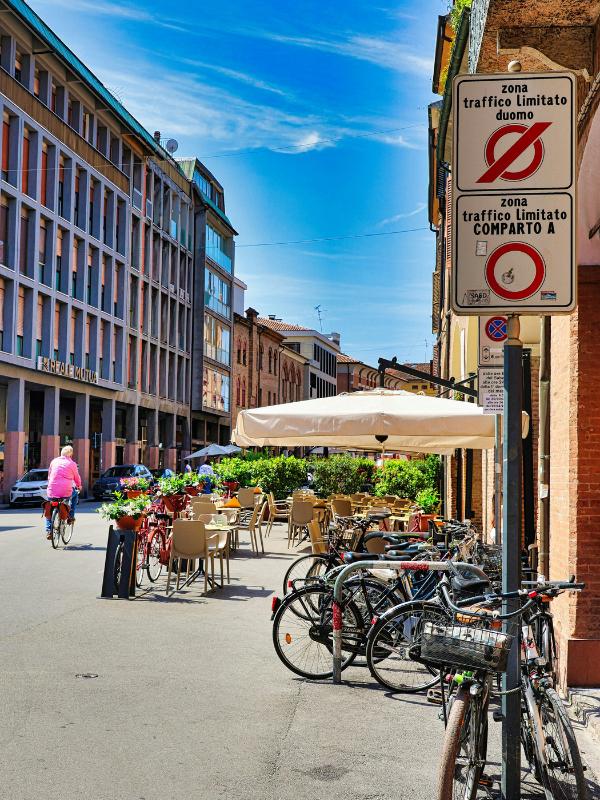
Many historic city centres operate Zona a Traffico Limitato zones, often shortened to ZTL. These are restricted traffic areas where unauthorised vehicles are fined automatically.
The signs are small and easy to miss, particularly on narrow medieval streets when you are already focused on navigation. Cameras photograph your number plate each time you enter, and fines are sent weeks later. A single day driving through Florence can result in multiple fines totalling several hundred euros.
Trains are an excellent alternative for city to city travel. High speed Frecciarossa and Italo services connect major cities in around 90 minutes to three hours. Save rental cars for rural areas such as Tuscany, Umbria or parts of the Amalfi Coast, and always park outside historic centres or in designated car parks.
Validate Your Tickets
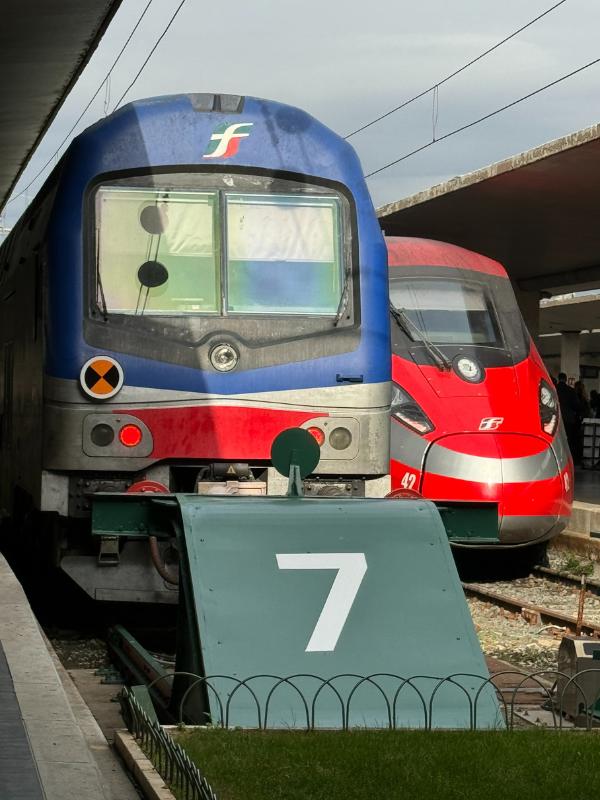
If you are using regional trains or buses, paper tickets must be validated before travel. This means inserting your ticket into the small yellow or green machines on platforms or on board buses so the date and time are stamped.
Failing to validate results in an immediate fine, usually around €50 per person, and inspectors are unlikely to accept explanations. Even if you are running late, take a moment to validate.
High speed trains with seat reservations do not require validation. If you are unsure, check your ticket for the words “Da convalidare”.
Pre-book the Icons
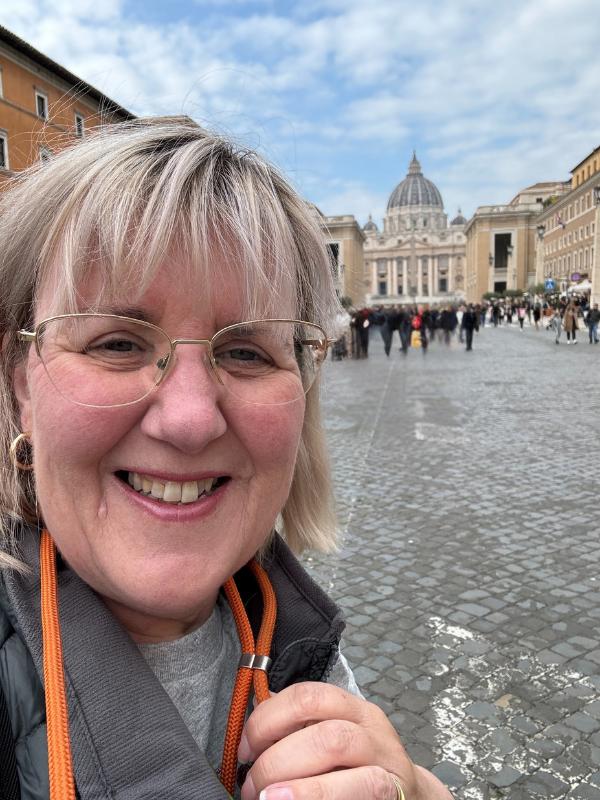
Major sights such as the Vatican Museums, the Colosseum and the Uffizi Gallery often sell out well in advance, particularly from April to October. Turning up without a ticket can mean waiting several hours or being turned away entirely.
Official museum websites offer timed entry at the same price as on-site tickets. Third-party sellers often add unnecessary mark-ups. While pre-booking reduces flexibility, it saves hours of queueing and frustration.
For places like the Vatican Museums, Uffizi, Borghese Gallery and The Last Supper in Milan, booking ahead is essential.
Recommended tours
Coffee Culture
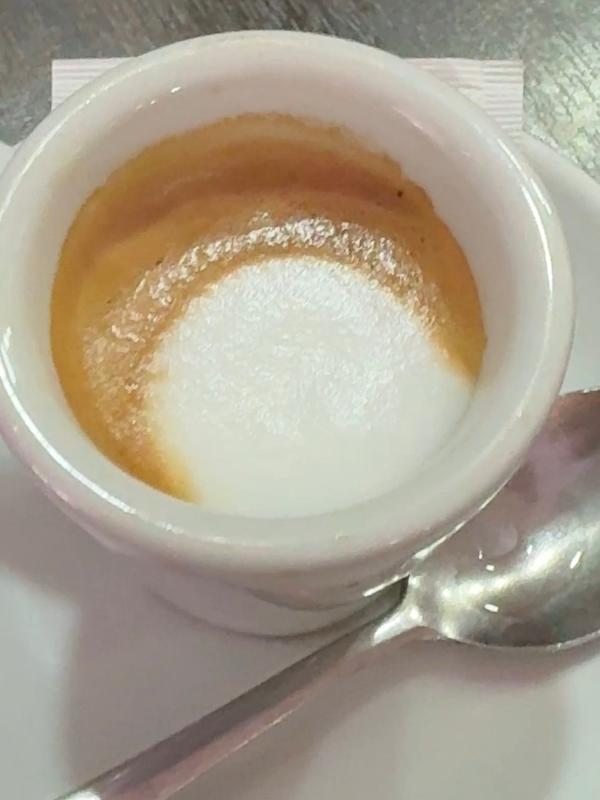
Espresso is cheaper if you drink it standing at the bar rather than sitting at a table. The difference can be significant for exactly the same coffee.
Italians also avoid milky coffees after late morning. Cappuccinos are typically a breakfast drink. After meals, locals order espresso, macchiato or caffè corretto. Sitting down means paying for table service and time, which is considered entirely normal. If you want to linger, accept the higher price. If not, stand at the bar and drink like a local.
Coperto (Cover Charge)
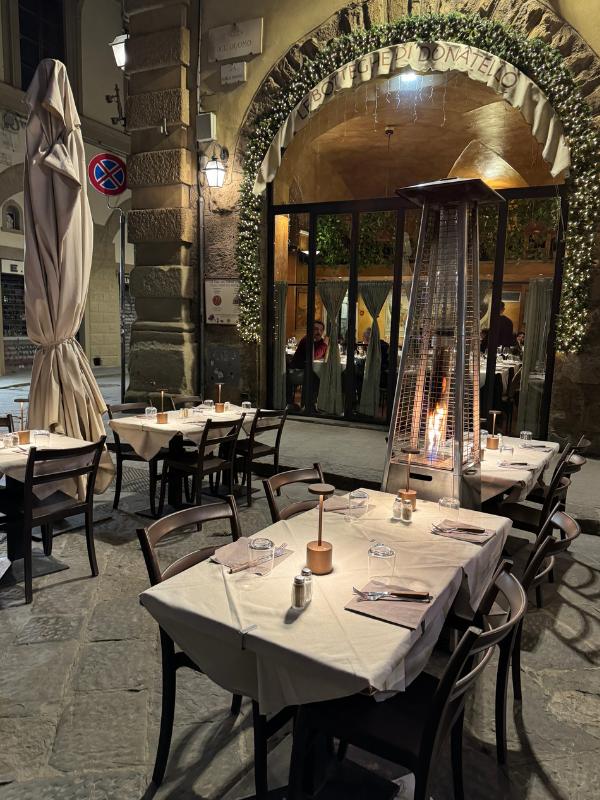
Most restaurants charge a small per-person cover charge known as coperto. This covers bread and table service and is not a tourist scam. It is clearly listed on the menu and applies to everyone.
Water is also charged, even tap water served in bottles. Expect to be asked whether you want still or sparkling. These practices are part of Italian dining culture. Check your bill so you understand what you are paying for, but do not be surprised by these charges.
Tipping Is Minimal
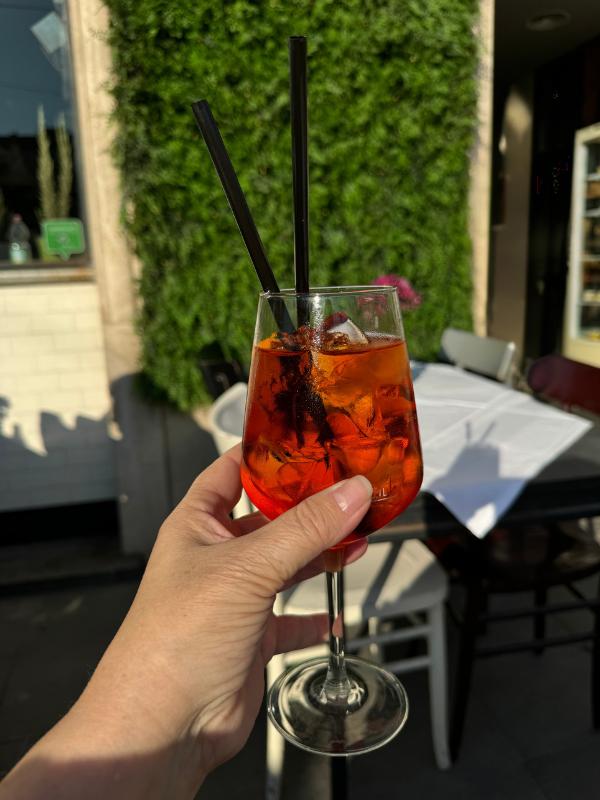
Service charges are often included. If not, rounding up the bill or leaving a few euros for excellent service is sufficient.
Italian hospitality staff earn a proper wage, and large tips are not expected. Leaving 20 percent is unnecessary and marks you as a visitor. In casual cafés and pizzerias, tipping is uncommon.
Dress for Basilicas and Churches
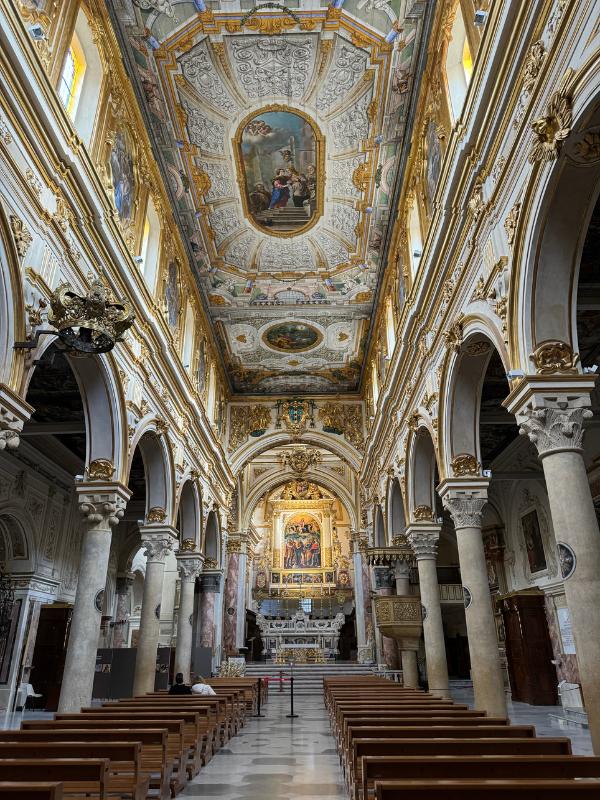
Major churches require modest dress. Shoulders and knees must be covered, and men cannot wear sleeveless tops or hats inside.
Security staff take this seriously and will turn visitors away regardless of queues. Carrying a lightweight scarf or cardigan makes this easy to manage. These are active places of worship, not museums, and the dress code reflects that.
Regional Food Matters
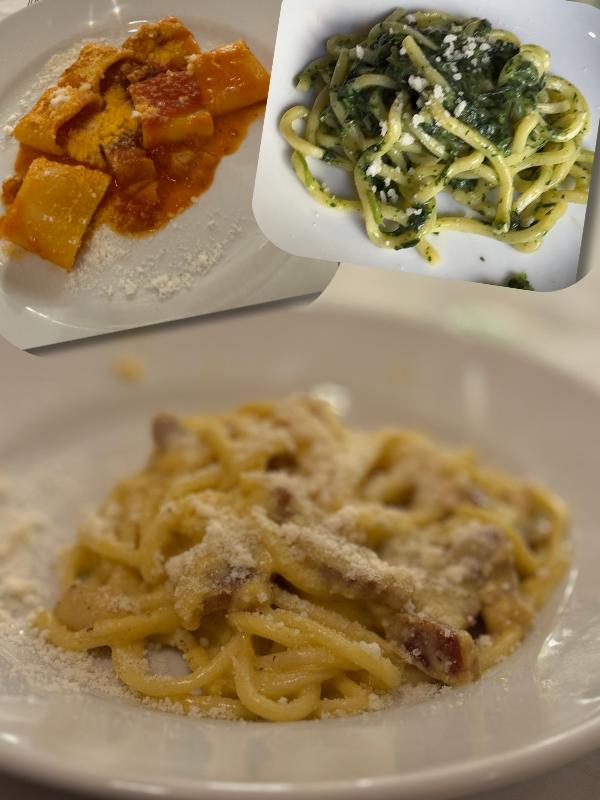
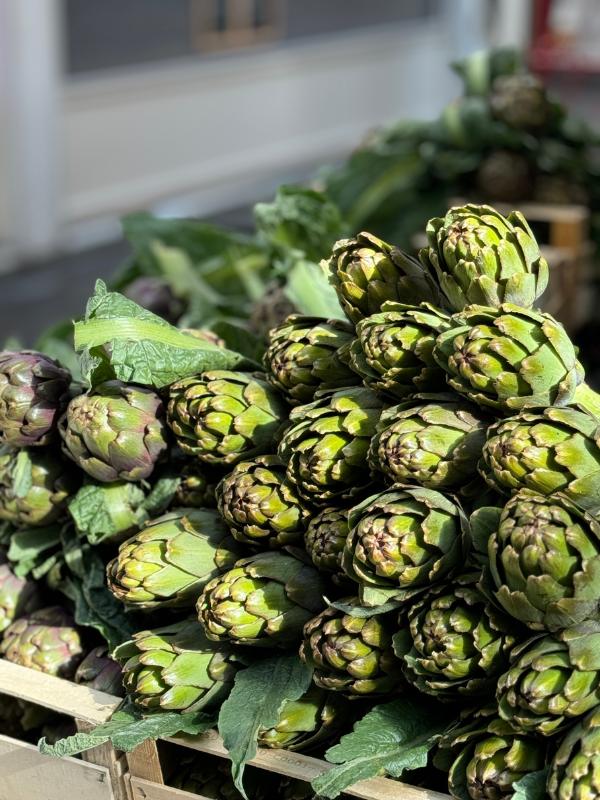
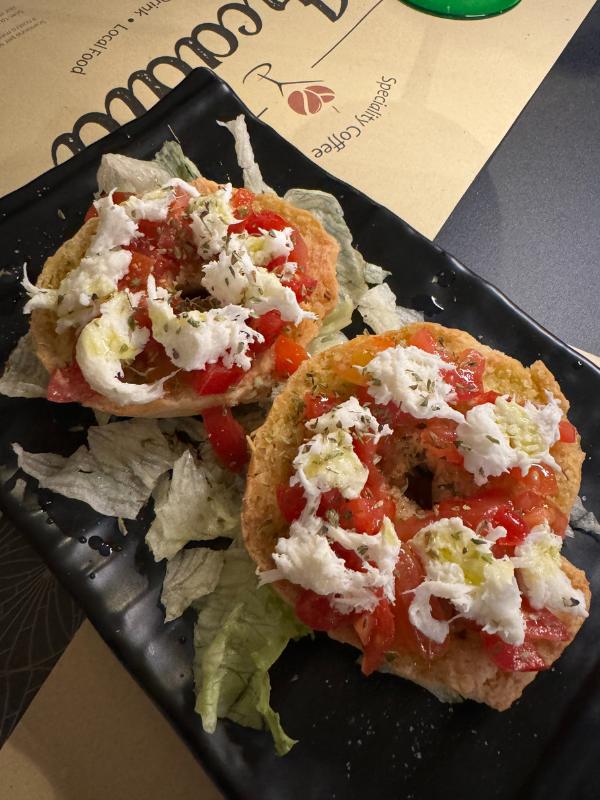
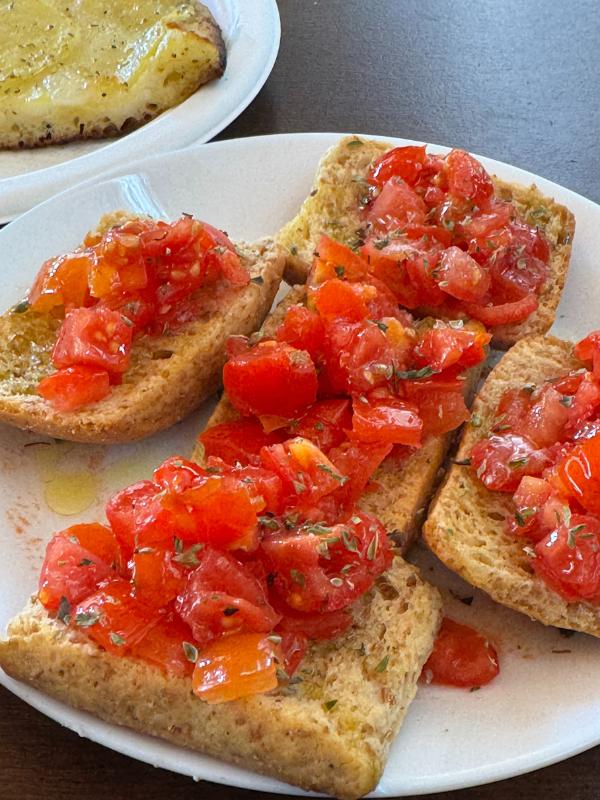
There is no single Italian cuisine. Each region specialises in its own dishes, ingredients and traditions.
Eat carbonara in Rome, pesto in Liguria, steak in Tuscany, pizza in Naples and seafood along the coast. Ordering dishes that belong elsewhere often leads to disappointment. Tourist menus with photos are a red flag. Ask locals or restaurant staff what the region is known for and follow their lead.
Monday Closures
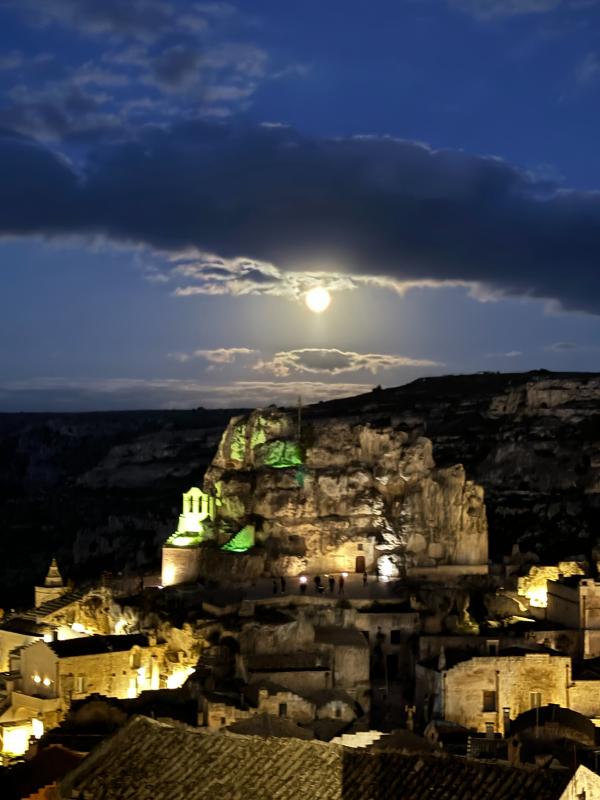
Many state museums close on Mondays, and smaller family-run restaurants often take one weekly day off. Mondays can catch visitors out if plans are not checked in advance.
Use Mondays for walking tours, neighbourhood exploration, food experiences or countryside day trips where closures are less of an issue.
Walkable Cities
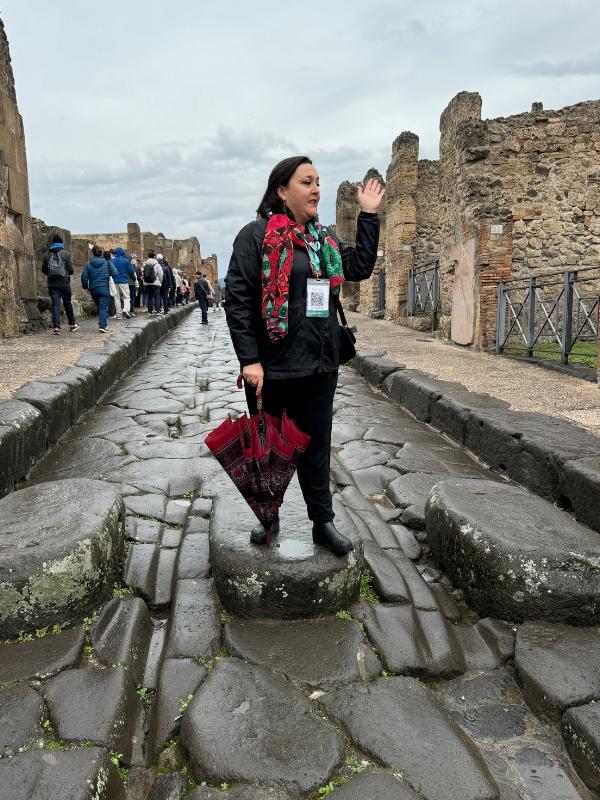
Italian streets are beautiful but unforgiving. Cobbles, uneven paving and slippery stone are common, and most visitors walk between 15,000 and 20,000 steps per day.
Comfortable, broken-in walking shoes are essential. Blisters early in the trip can affect the rest of your stay. Style matters less than foot support.
Train Strikes Happen
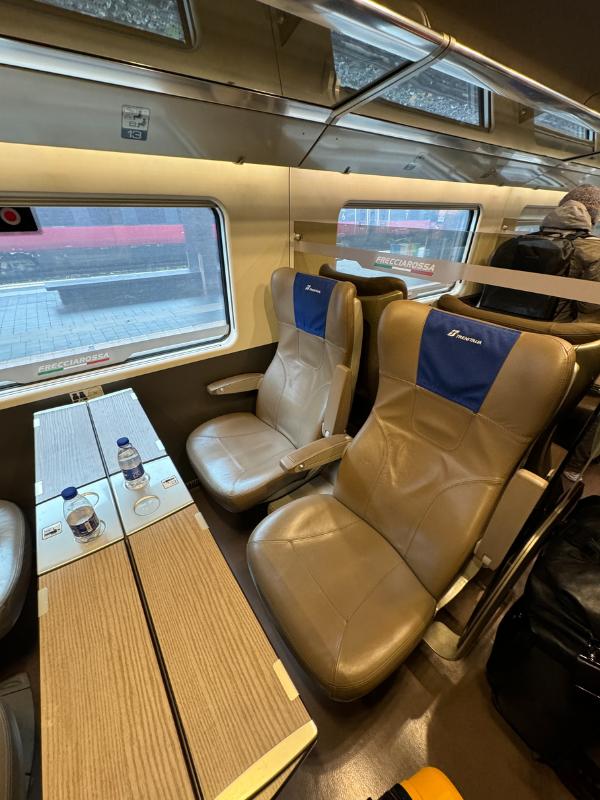
Train strikes occur regularly and are announced in advance. Always check schedules the day before travel.
Strikes usually affect specific regions or time windows, and refunds or rebooking are provided if services are cancelled. Build flexibility into your itinerary and avoid booking non-refundable activities that rely on precise arrival times.
Frequently Asked Questions
- How many days do I need in Italy?
One week works for two major locations such as Rome and Florence. Two weeks allows Venice and an additional region. Three weeks gives enough time to travel without constantly moving.
- Is Italy safe?
Yes. Italy is generally very safe. Pickpocketing can occur in busy areas such as Rome Termini, the Colosseum, Trevi Fountain and crowded public transport. Violent crime is rare.
- Do I need to speak Italian?
No, but basic phrases are appreciated and improve interactions. English is common in tourist areas but limited in rural locations.
- What is the best time to visit?
April to June and September to October offer comfortable temperatures and manageable crowds. July and August are hot and busy. Winter is quieter but some coastal areas close.
- Can I drink tap water?
Yes. Tap water is safe throughout Italy. Public fountains in cities such as Rome are excellent for refilling bottles.
- How do trains work?
High speed trains require advance booking and seat reservations. Regional trains can be bought on the day but must be validated before boarding.
- Is Venice worth visiting?
Yes, if timed well. Visit early morning or evening, stay overnight if possible, and explore quieter neighbourhoods such as Cannaregio or Giudecca.
- What about the Amalfi Coast?
Beautiful but challenging. Roads are narrow and stressful to drive. Ferries and buses are better options. Choose one base and explore from there.
- Do I need cash?
Carry a small amount for cafés, markets and rural areas. Cards are widely accepted in cities but minimum spends still exist in some places.
- How much does a meal cost?
Budget meals range from €8 to €15. Mid-range restaurants average €25 to €40 per person. High-end dining costs more. Walk a few streets away from major attractions for better value and quality.
![Tips for Visiting the Vatican + Vatican Museums [Essential info for first time visitors]](https://globaltravelplanning.com/wp-content/uploads/2025/02/The-Vatican-Museums.jpg)