Sweden Travel Guide: How to Plan Your First Trip
Planning a trip to Sweden? Whether you’re thinking about a few days in Stockholm, a day trip to Malmö from Copenhagen or a longer Scandinavian trip by train, this page brings together everything we’ve written and recorded about Sweden, plus the practical things we wish we’d known before we went.
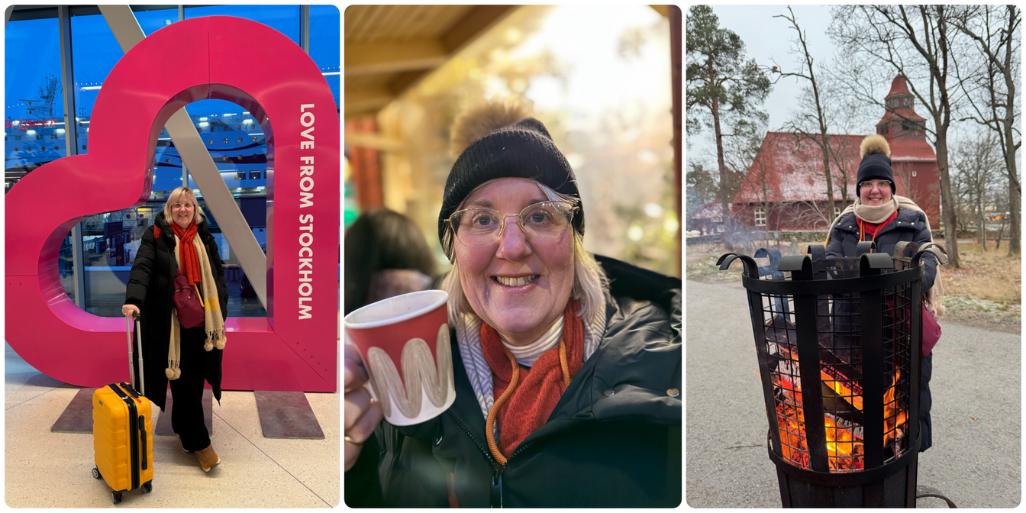
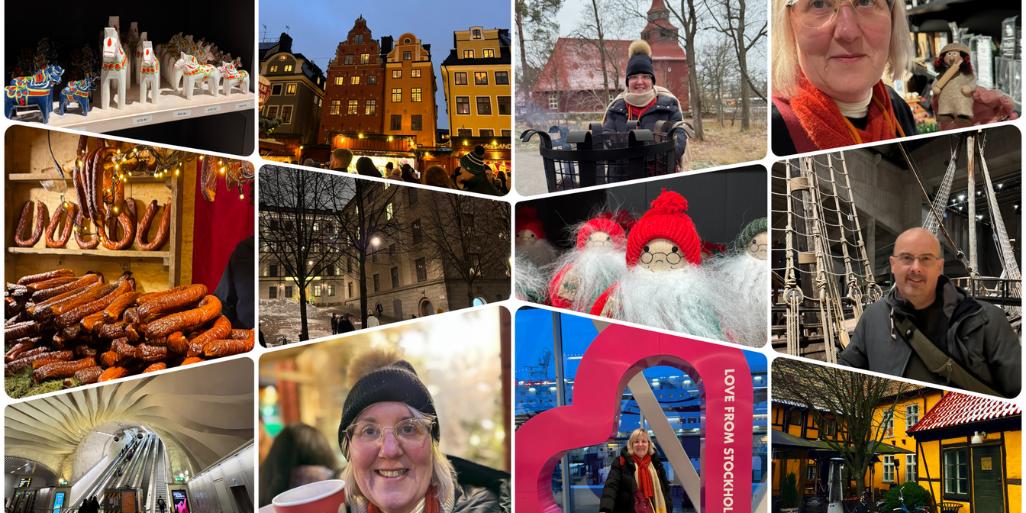
Doug and I spent a few days in Stockholm in December 2024 as part of a three-week winter trip around Europe (you can hear all about it in episode 76 of the podcast), and on an earlier trip we crossed the Øresund Bridge from Copenhagen to spend a day in Malmö.
Sweden is one of the easiest countries in Europe to travel in. English is spoken everywhere, the trains run on time and you won’t need cash. The two things that catch first-time visitors out are the prices and, in winter, how little daylight there is. Both are easy to plan around, and that’s what this guide is for.
First Time in Sweden? Start Here
- 12 Essential Sweden Travel Tips for First-Time Visitors
- Stockholm in December: how we spent three days there
- Stockholm to Helsinki by overnight ferry
- How to travel from Copenhagen to Malmö
- Download our free Sweden Travel Cheatsheet
Sweden Essentials
- Currency: Swedish krona (SEK). Sweden is in the EU but doesn’t use the euro.
- Cash: you won’t need it. We paid for everything by card and never used a single krona.
- Language: Swedish, but English is spoken almost everywhere. A “hej” and a “tack” go a long way.
- Entry: Sweden is in the Schengen area. Visitors from the US, UK, Australia, Canada and New Zealand don’t need a visa for short stays. ETIAS pre-authorisation will apply once it launches; our ETA and ETIAS explainer has the latest.
- Time zone: Central European Time, one hour ahead of the UK.
- Plugs: two-pin European (types C and F), 230 volts.
- Tipping: not expected. Rounding up, or 5 to 10% for good service, is plenty.
- Alcohol: wine and spirits are only sold in bars, restaurants and Systembolaget, the state-run shops, which close on Sundays. Supermarkets sell beer up to 3.5%.
When to Visit Sweden

We visited in December and loved it: snow on the rooftops, lights along the water and a Christmas market at Skansen that felt nothing like a tourist event.
The trade-off is daylight. In mid-December, Stockholm has about six hours of it, from roughly half past eight until just before three, which worked well for us with museums in the middle of the day and the markets and lights after dark.
Pavements can be sheet ice, so boots with grip, thermals, a hat that covers your ears and hand warmers made all the difference. Travel insurance that covers a slip on the ice is worth checking before you go.
Summer is the opposite: long, light evenings, archipelago boats running, and cafés spilling onto the pavements. Midsummer’s Eve, the Friday between 19 and 25 June, is the biggest day of the Swedish year. Cities empty as everyone heads for the countryside, and many shops and restaurants close, so it’s a date to plan around.
May, early June and September are the in-between months, with fewer visitors, lower hotel prices and still plenty of daylight.
For the northern lights, you need to be in the far north, around Kiruna and Abisko in Swedish Lapland, between late September and March. You won’t see them from Stockholm.
📖 Read: Where to Travel Each Month
How Long Do You Need, and Where to Base Yourself

Stockholm is the natural first base, and three or four nights is the minimum I’d give it. The city is spread across islands, so where you stay matters more than in most capitals.
We stayed with a friend, so we don’t have a hotel to recommend from experience, but what we’d look for is somewhere within a short, flat walk of a Tunnelbana (metro) station or a tram stop. That made every day easier, and in winter it means less walking on ice.
From Stockholm, these are the trip shapes we’d consider for a first visit:
- Stockholm and the archipelago (five to seven days): three or four days in the city, then a night or two on the islands by ferry in summer.
- Stockholm and Gothenburg (seven to nine days): the X2000 train links the two cities in about three hours. Gothenburg is smaller, with canals, trams and very good seafood.
- Copenhagen, Malmö and Stockholm (nine to eleven days): two countries in one trip. Malmö is about 35 minutes from Copenhagen by train across the Øresund Bridge, and Stockholm is around four and a half hours from Malmö by rail.
- Stockholm and Helsinki (seven days): what we did. A few days in Stockholm, then the overnight ferry to Finland.
We’ve done the last of those and the Copenhagen to Malmö crossing. The first two are on our list for next time.
Getting to Sweden and Getting Around

Stockholm Arlanda is the main airport. The Arlanda Express train reaches Stockholm Central in about 18 minutes, and the airport coaches take longer but cost less. We flew in from Berlin because the train via Hamburg would have taken a day we didn’t have, which is the sort of decision you end up making on any multi-country trip.
In Stockholm we used the SL app for buses, metro, trams and ferries and would recommend it. Tickets can’t be bought on board, and a contactless card works at the gates too. The museums most people come for are on Djurgården, reached by tram 7 from the city centre or the little ferry from Slussen next to Gamla Stan.
Between cities, Sweden’s trains are mainly run by SJ. Fares work like airline fares, so the earlier you book the cheaper they are, and the X2000 services are fast and comfortable. Our train travel tips episode and our guide to overnight sleeper trains cover the practicalities. There’s also a night train north from Stockholm to Kiruna and Abisko if Lapland is on your list.
Two crossings worth knowing about:
- Copenhagen to Malmö: trains run every 20 minutes or so across the Øresund Bridge and take about 35 minutes. It’s an international border, so passports are needed. Our guide to the crossing covers the train, bus and driving options.
- Stockholm to Helsinki by overnight ferry: the best surprise of our whole December trip. The ship is more floating hotel than ferry, with a central street of restaurants and shops, a Christmas tree in the atrium and a Santa doing the rounds. We had a two-berth cabin with its own bathroom, it wasn’t expensive once Doug had shopped around between operators, and Doug, who is not a fan of boats, was fine. The cabins are compact, so travelling light helps. Read about the crossing here.
What Sweden Costs, and How We Kept It Down

Sweden is not a cheap country, and eating out and alcohol are where it bites. What worked for us:
- Dagens lunch, the fixed-price weekday lunch most restaurants offer, is the best-value meal of the day.
- Breakfast included at your hotel saves a meal, and often two.
- Free museum days: Stockholm has several, so it’s worth checking the schedules before you fix your dates.
- Book trains early. It makes a real difference to the fare.
- Nature is free. Allemansrätten, the right of public access, means parks, forests, lakes and shorelines are open to everyone.
We used a Wise card because Sweden, Poland and Hungary all have their own currencies and we didn’t want to change money three times. One habit worth picking up: look at the amount on the card terminal before you tap, because it’s usually turned away from you. Public toilets often cost a few kronor, paid by card, so a contactless card kept handy saves an awkward moment or two.
Stockholm: What We Did and What We’d Do Again
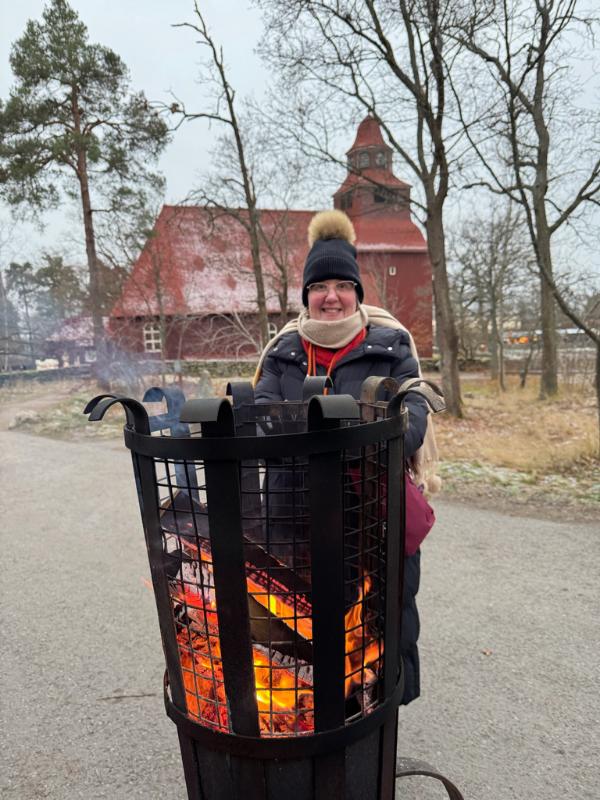
Skansen was our favourite day. It’s the world’s oldest open-air museum, a whole hillside of farmhouses, workshops and a schoolhouse moved there from all over Sweden. If you’ve been to Beamish in County Durham it’s the same idea, only eighty years older.
In Advent the Christmas market fills it with traditional dress, music and food, and it was recommended to us before we went, rightly so. The market runs on the Advent weekends, so it’s worth checking the dates.
The Nordic Museum next door was the one Doug didn’t want to visit and ended up loving. The Vasa, the 17th-century warship raised almost intact from Stockholm harbour, is the museum everyone tells you to see, and they’re right.
A friend cooked us elk one evening. It was Doug’s first taste of it and still the meal from that trip he talks about.
Getting around on foot
Gamla Stan, the old town, is cobbled, narrow and steep in places, and in winter the cobbles ice over. The waterfront and Djurgården paths are flatter. The metro and buses are well set up for step-free travel, with lifts at most stations and low-floor buses, and SL publishes lift status so it’s worth checking on the day.
The Vasa Museum is a modern building with lifts between its levels. Skansen sits on a hillside with a funicular from the main entrance, but the paths between the buildings are gravel, sloping and icy in places in December, so allow extra time.
What we’d do differently: give it longer. We moved quickly because we were researching, and Stockholm deserves a slower pace than we gave it. We’d also like to see it in summer, when the archipelago boats are running.
📖 Read: Stockholm Winter Itinerary: 3 Days in December
Malmö and the Øresund Crossing
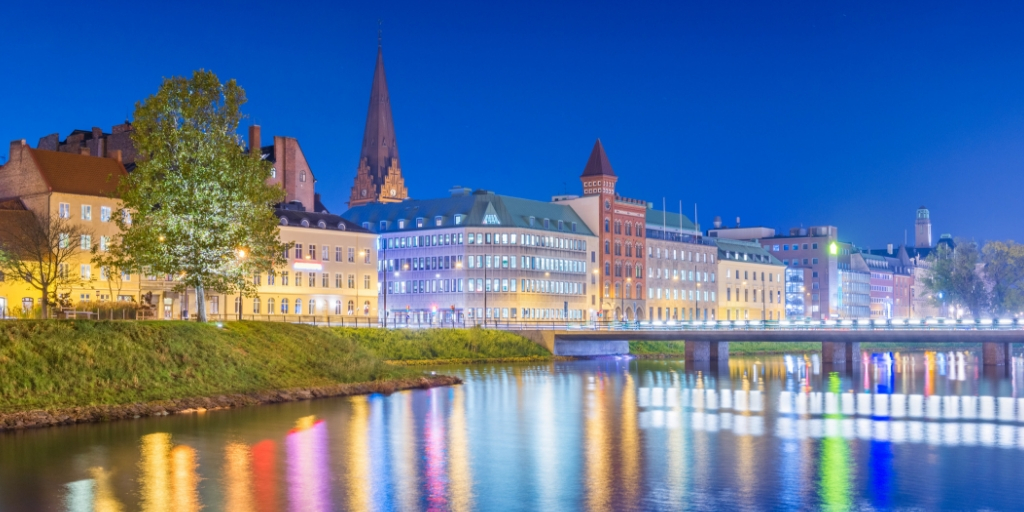
If you’re already in Copenhagen, Malmö makes a good day trip. We went in winter, and Sweden’s third city is compact, with a cobbled old town, two lovely squares and a 16th-century castle, all within about ten minutes of the station on flat ground. It was also where we first discovered that Sweden really does not want your cash: the buses wouldn’t take it.
📖 Read: Best Things to Do in Malmö and How to Travel from Copenhagen to Malmö
Where to Stay in Sweden
Our one piece of advice is to book somewhere close to public transport, especially in winter and over the festive season, when trams and buses run a reduced service. The search below is set to Sweden.
Booking links for Sweden
What to Watch and Read Before You Go
- 16 Best Scandinavian and Nordic Noir Series on Netflix
- 10 Best Swedish Movies and Shows on Netflix
- 13 Best Nordic Noir Books
Sweden on the Podcast
- Episode 76: Europe in December (Stockholm, the ferry to Helsinki and winter packing)
- Episode 54: Top 10 Tips for UK and Europe Train Travel
- Episode 94: Europe by Train, tips from a three-week multi-country rail trip
- Episode 85: Top 10 Train Journeys Around the World
Listen On…
Nearby Destinations
Sweden combines easily with its neighbours. Copenhagen is 35 minutes from Malmö, Helsinki is an overnight ferry from Stockholm, and Norway is a train ride away.
- Best Things to Do in Copenhagen
- Where to Stay in Copenhagen
- 12 Essential Finland Travel Tips for First-Time Visitors
- Things to Do in Bergen
Download our free Sweden Travel Cheatsheet
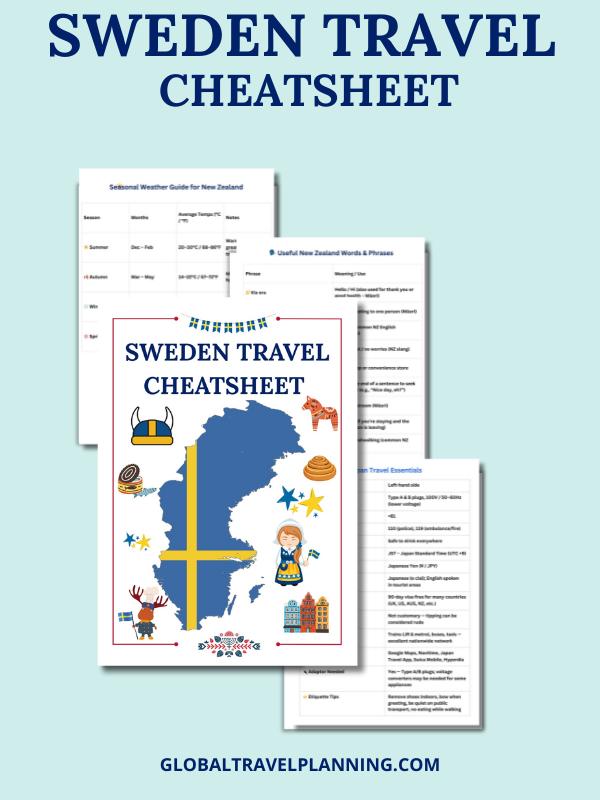
Just starting? The Global Trip Planner is our free five-step workbook for turning an idea into an itinerary.
💡 Ready to Start Planning?
Here’s what to do next:

![How to travel from Copenhagen to Malmo [Essential Guide]](https://globaltravelplanning.com/wp-content/uploads/2019/03/ORESUND-BRIDGE-TO-MALMO.jpg)