
What to Buy in Morocco [+ Medinas Shopping Tips]
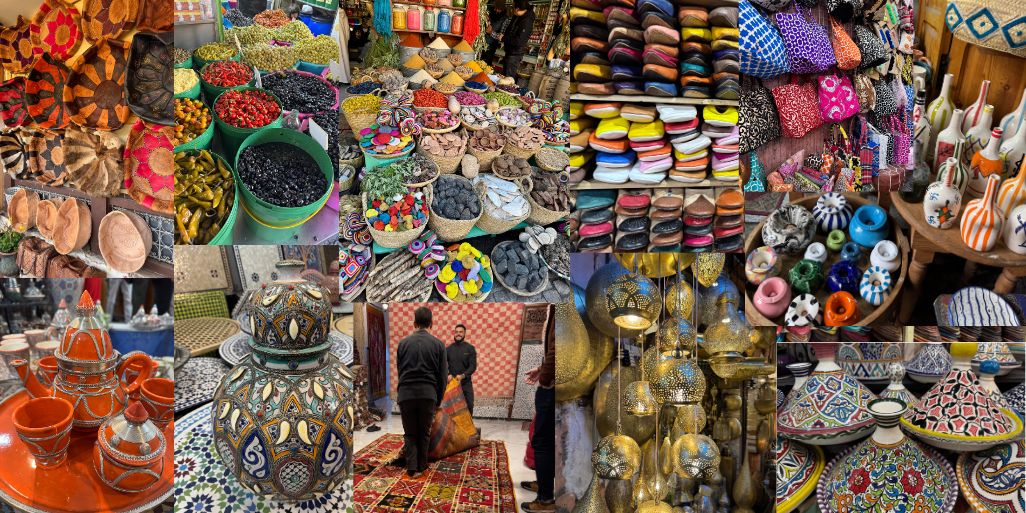
Shopping in Morocco was a fun part of our trip. Wandering through the medinas it quickly became clear that this was not just about buying things – we simply enjoyed perusing all the beautiful things and being surrounded by colour, texture, and craftsmanship as we explored..
This guide focuses on what is genuinely worth considering purchasing in Morocco, what packs well, and the things that tend to be practical rather than purely decorative. Some of our buys were planned, others completely unexpected!
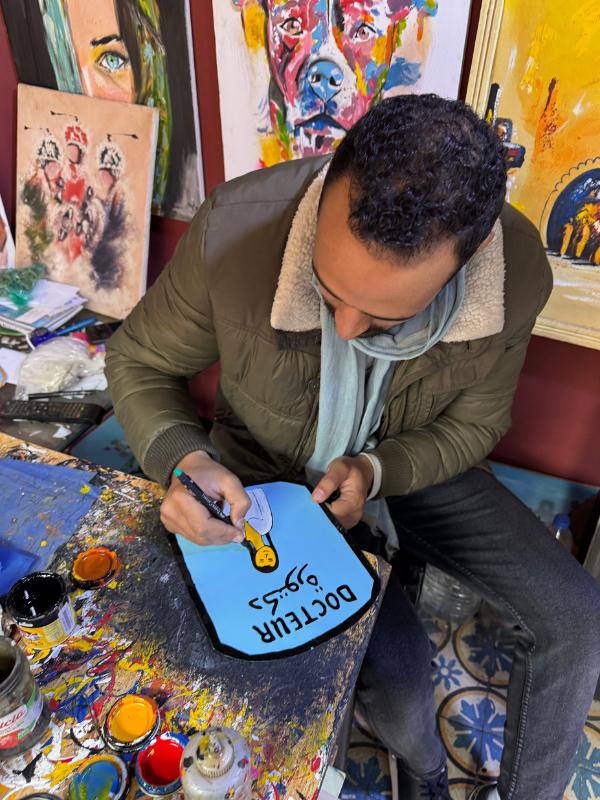
My favourites were argan oil, scarves that proved useful while travelling (especially later in Istanbul), and a hand-painted sign I bought for my daughter. It was something I had not planned to buy at all, but it caught my eye, had meaning for us, and now sits in her office as a reminder of that day in the medina.
What to Buy in Morocco
Textiles and Soft Furnishings
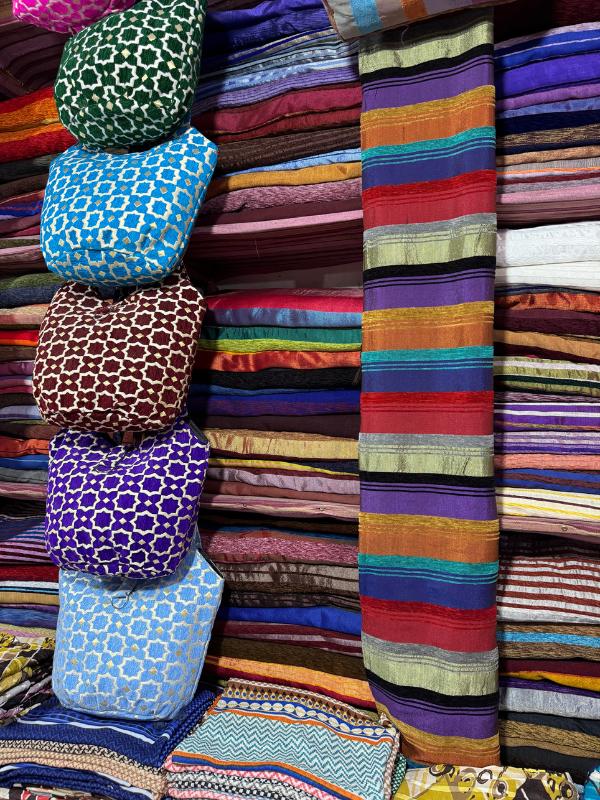
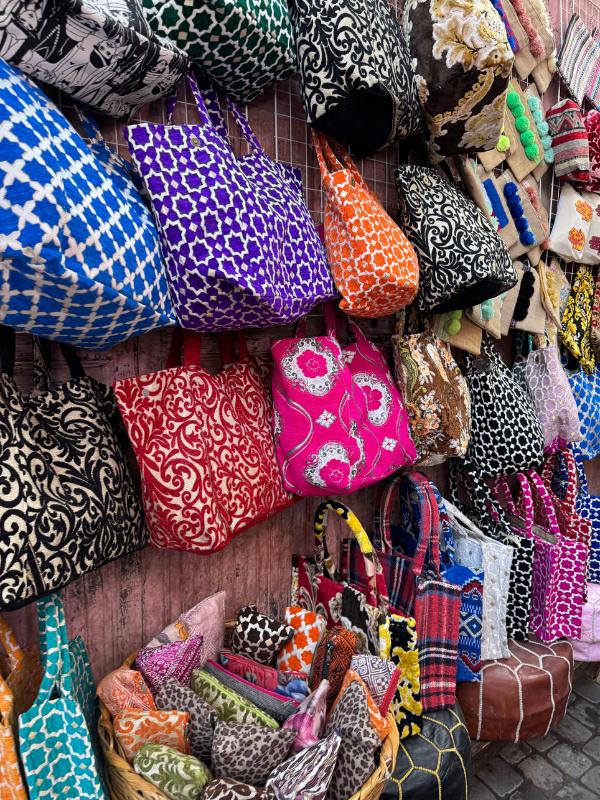
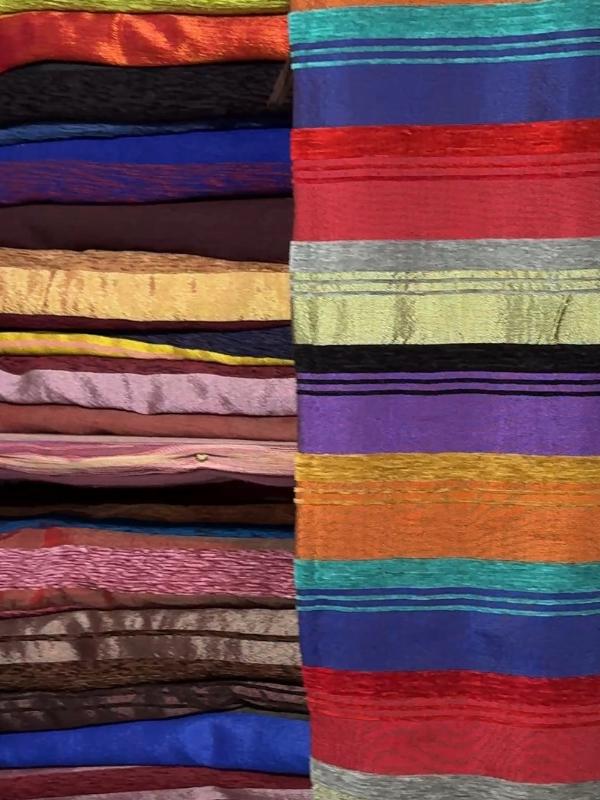
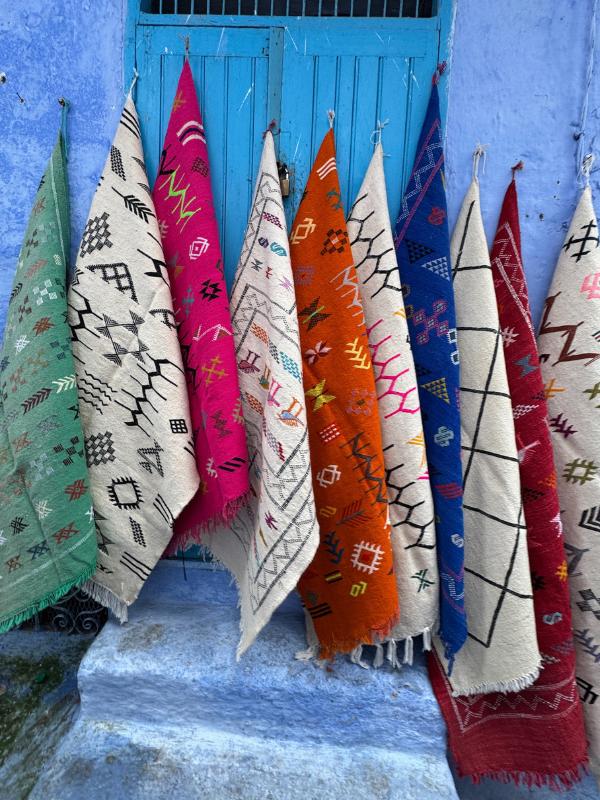
Textiles are some of the easiest and most satisfying things to bring home from Morocco.
Scarves are everywhere and come in silk, cotton, and wool blends, making them practical as well as decorative. Handwoven blankets, Berber throws, cushion covers, and lightweight bedspreads are also widely available. Table runners and placemats are another good option if you want something flat and easy to pack.
These items work well as gifts and are an easy way to add a Moroccan feel to your home without committing to larger pieces.
Leather Goods
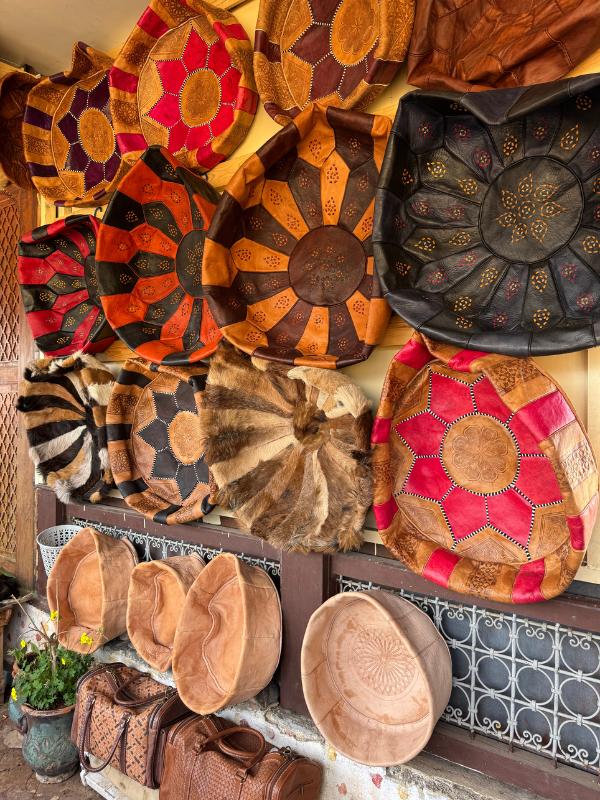
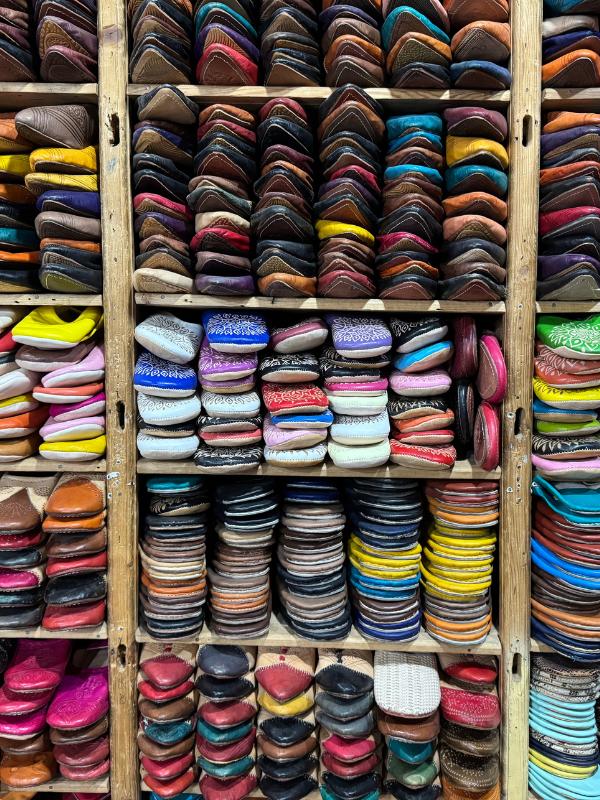
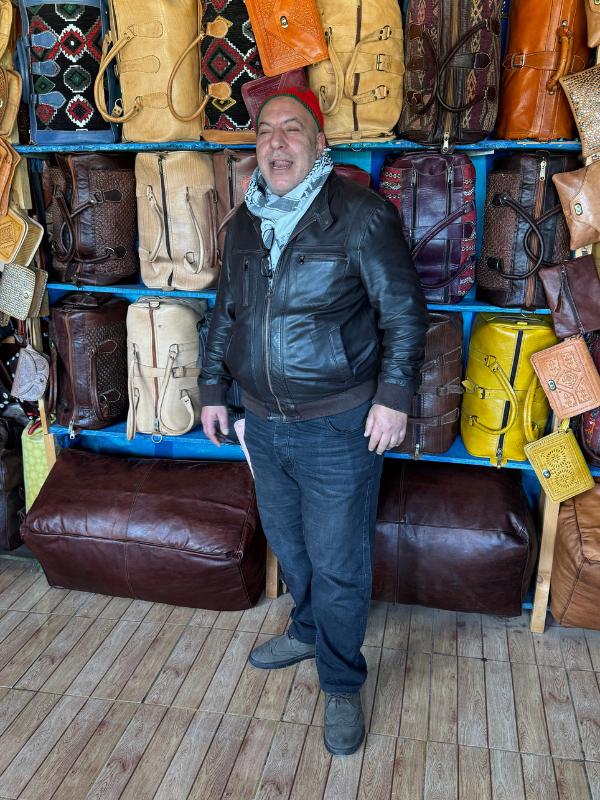
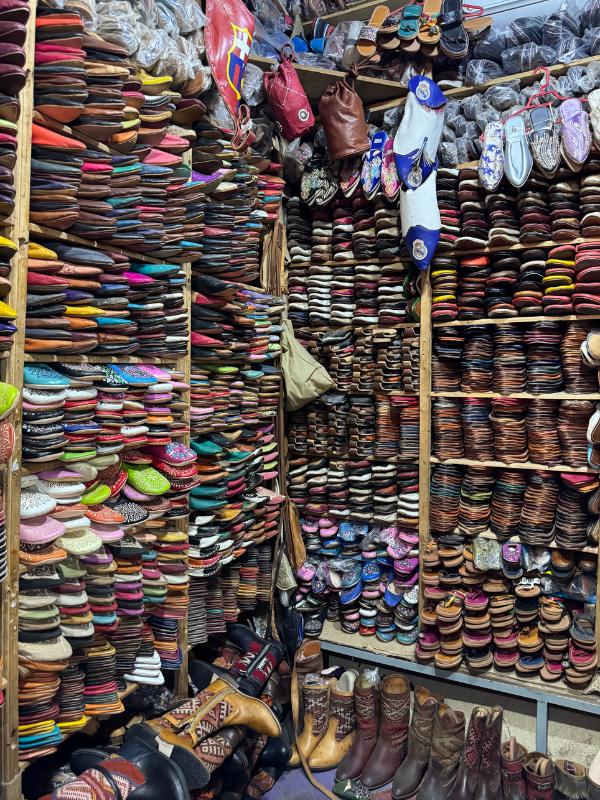
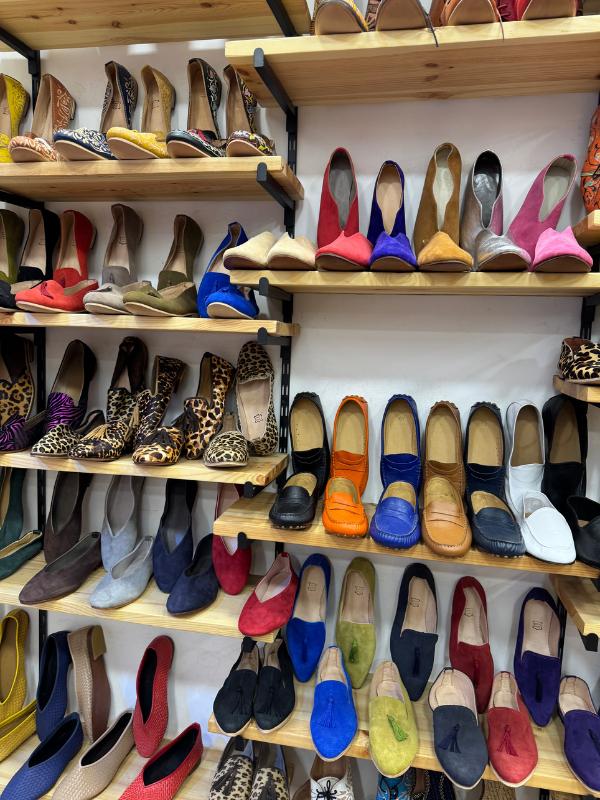
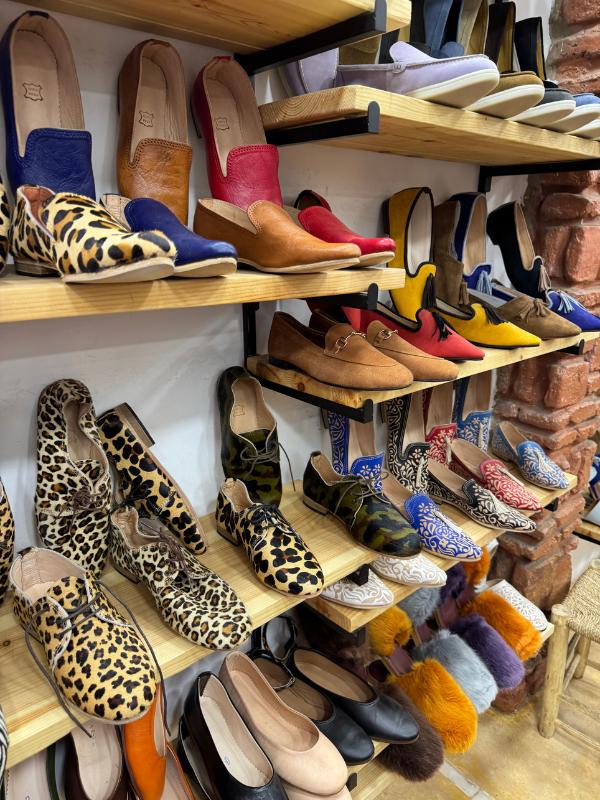
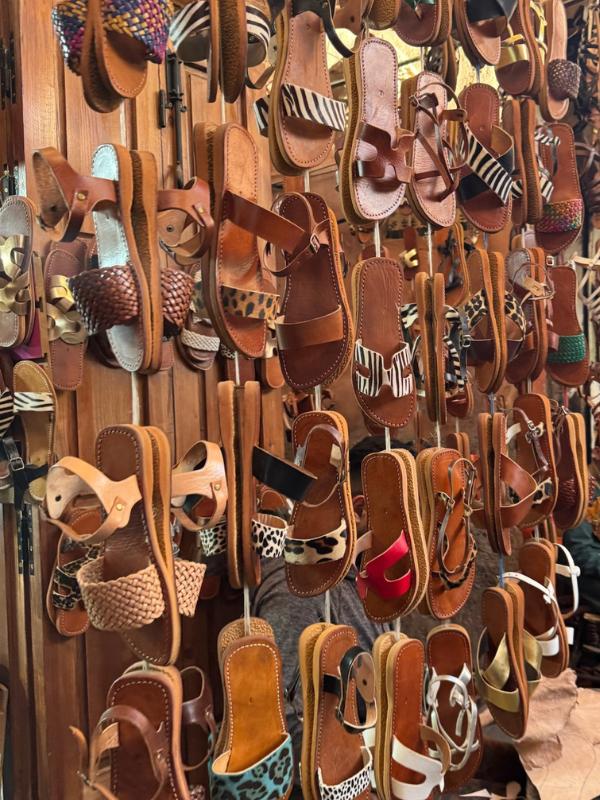
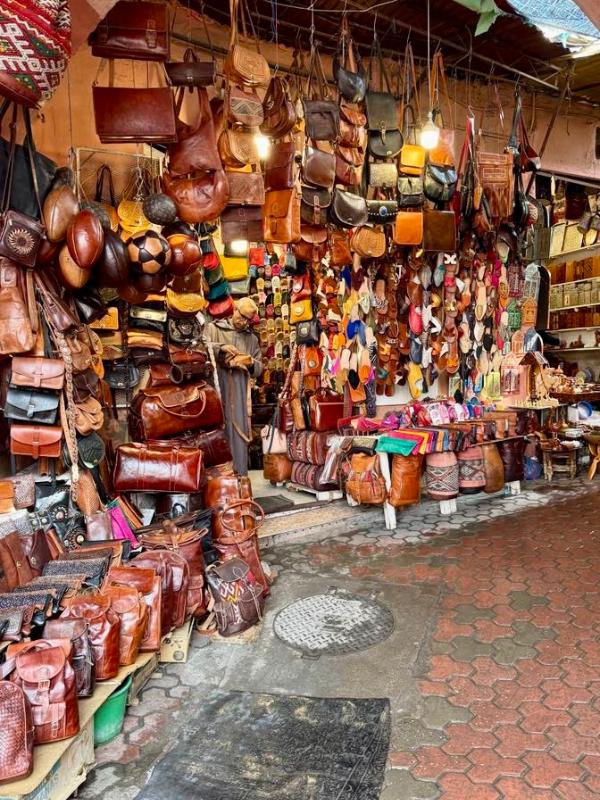
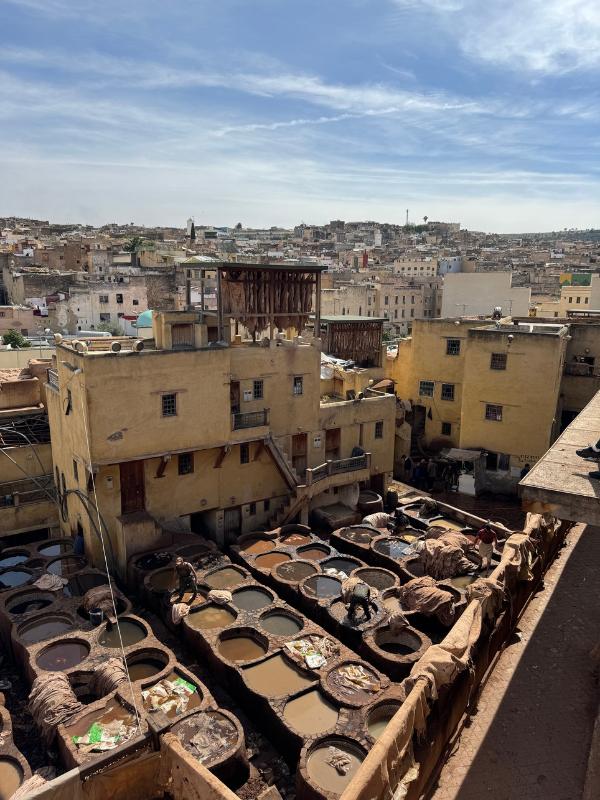
Leather quality in Morocco is excellent, particularly in Fez and Marrakesh.
Popular purchases include handbags, crossbody bags, backpacks, wallets, belts, small pouches, and traditional slippers known as babouches. Leather items vary widely in quality, so it is worth taking a little time to check stitching and construction.
In some areas you may notice strong smells near tanning pits or workshops (you will be given mint leaves to smell as the odour can be quite strong). This is normal, but finished leather goods should not smell overly harsh once cured and treated.
Ceramics and Pottery
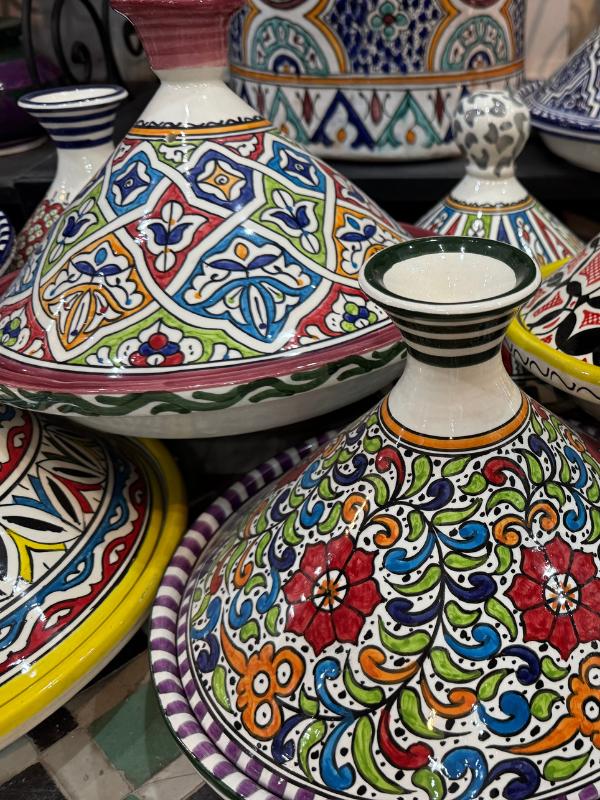
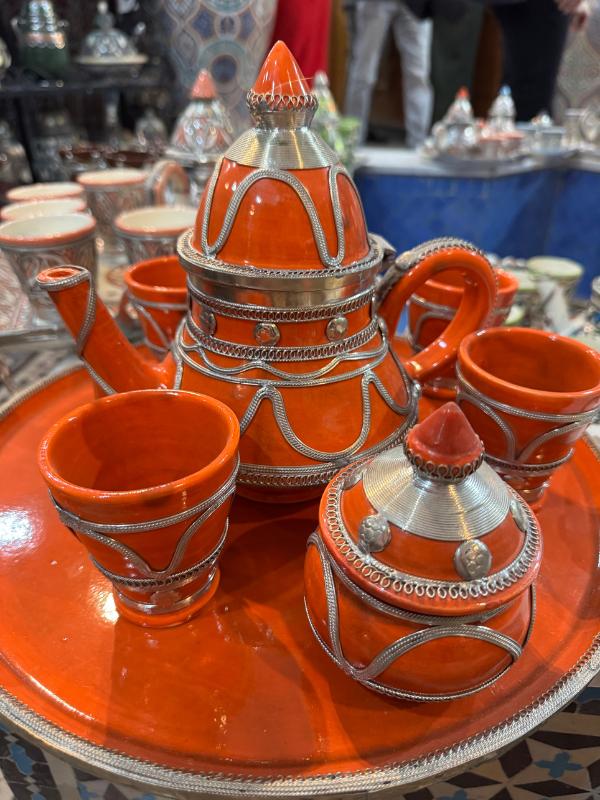
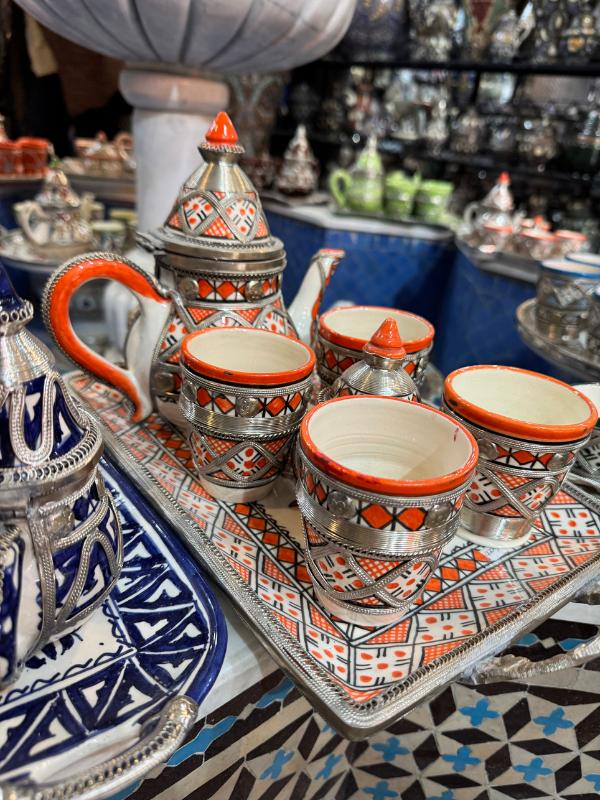
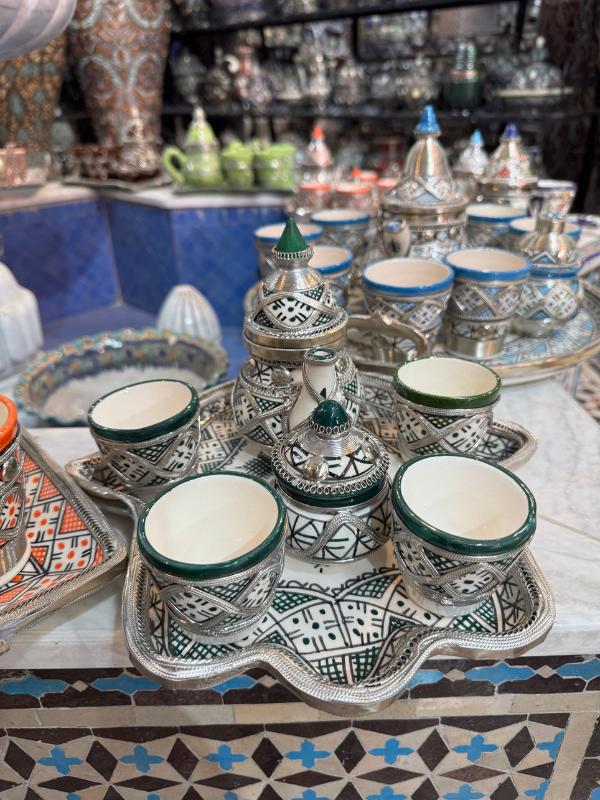
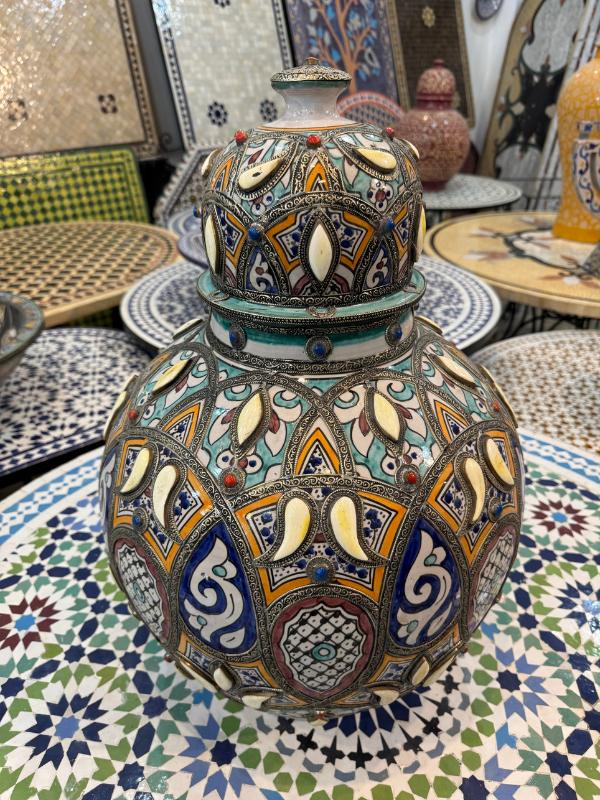
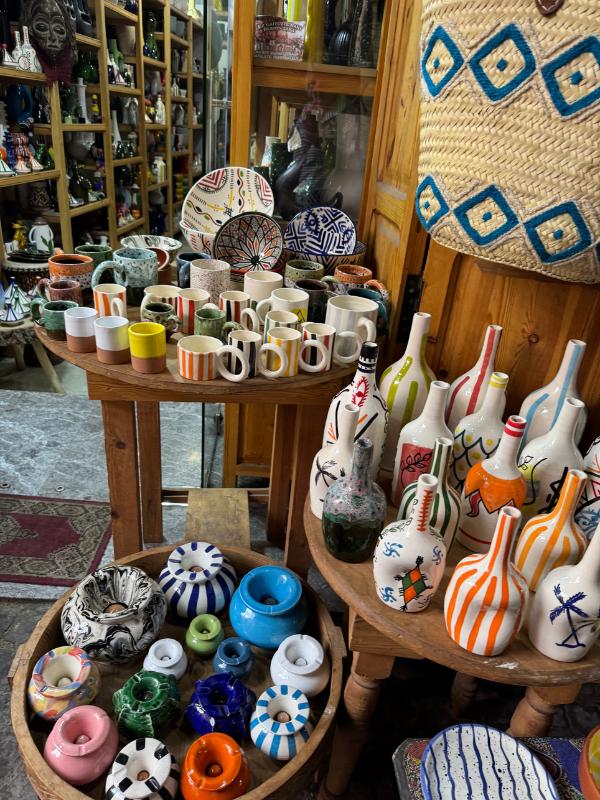
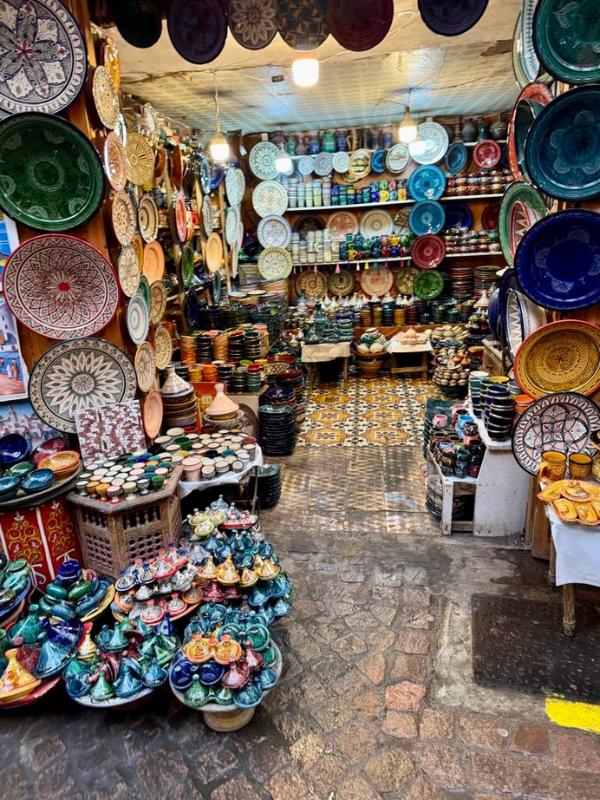
Moroccan ceramics are beautiful but heavier, so it is worth choosing carefully.
Plates, bowls, tagines, cups, mugs, decorative tiles, and small pottery pieces are all common. Colours and patterns vary by region, and you will often see artisans hand-painting designs in front of you.
If you are buying ceramics to travel with, smaller pieces are easier to pack, while larger items may be better shipped.
Home Decor and Decorative Pieces
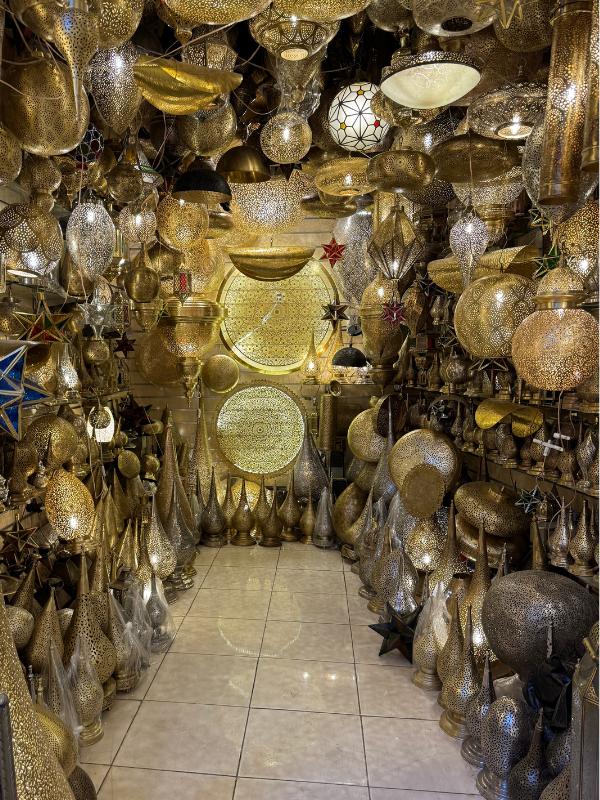
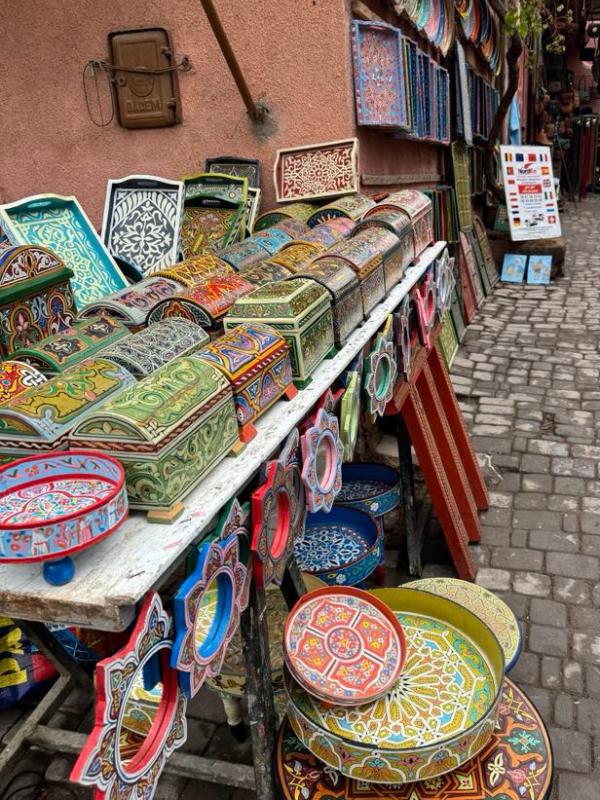
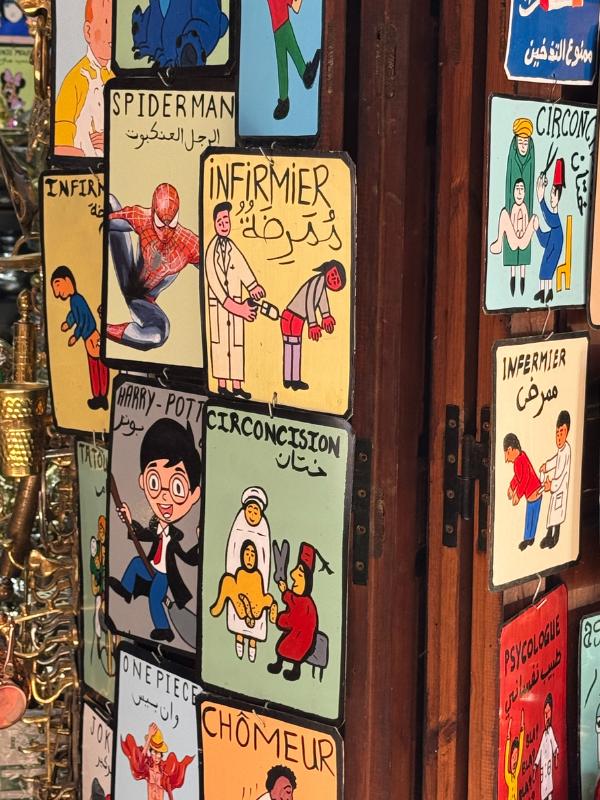
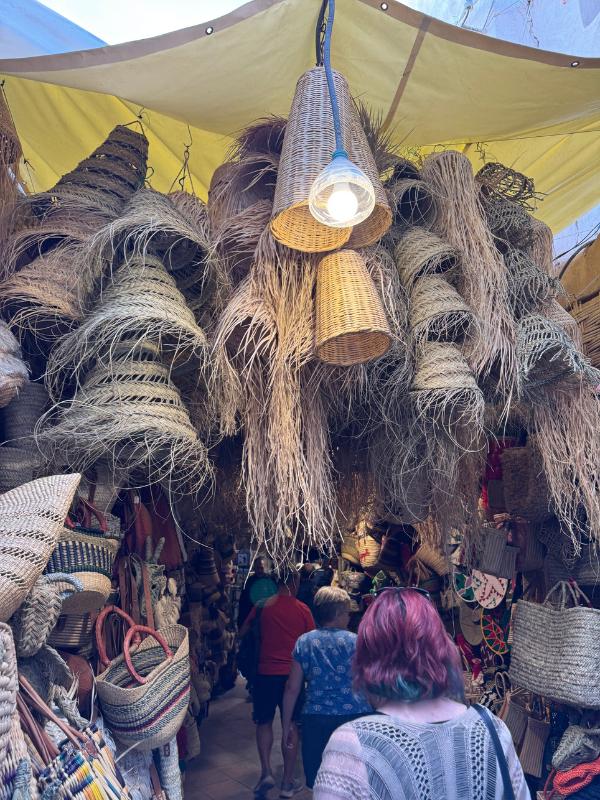
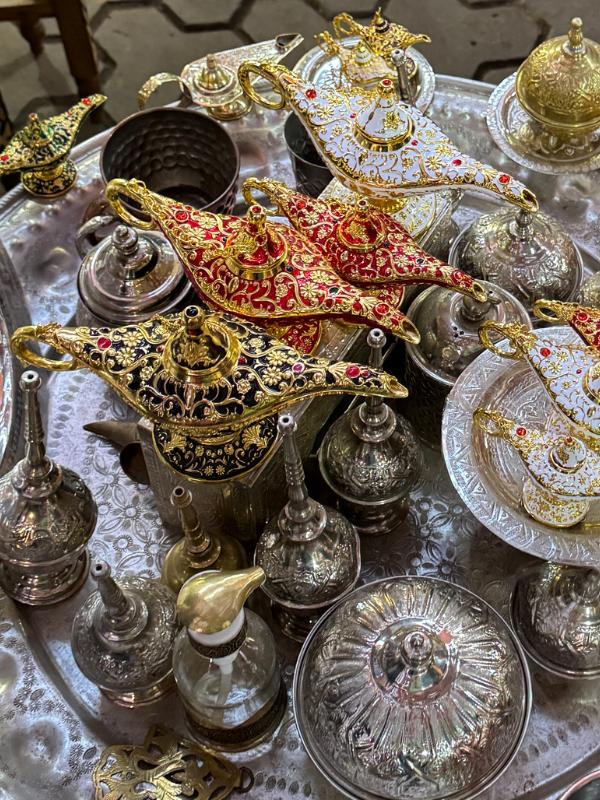
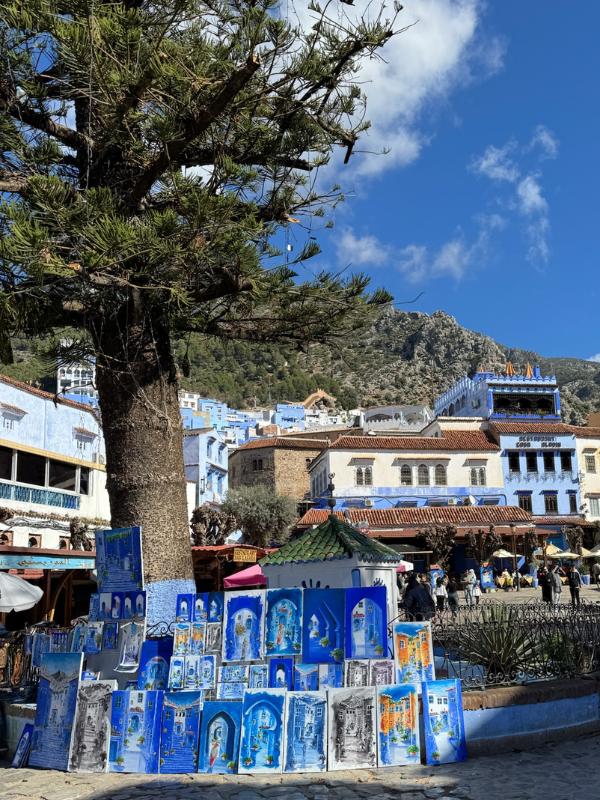
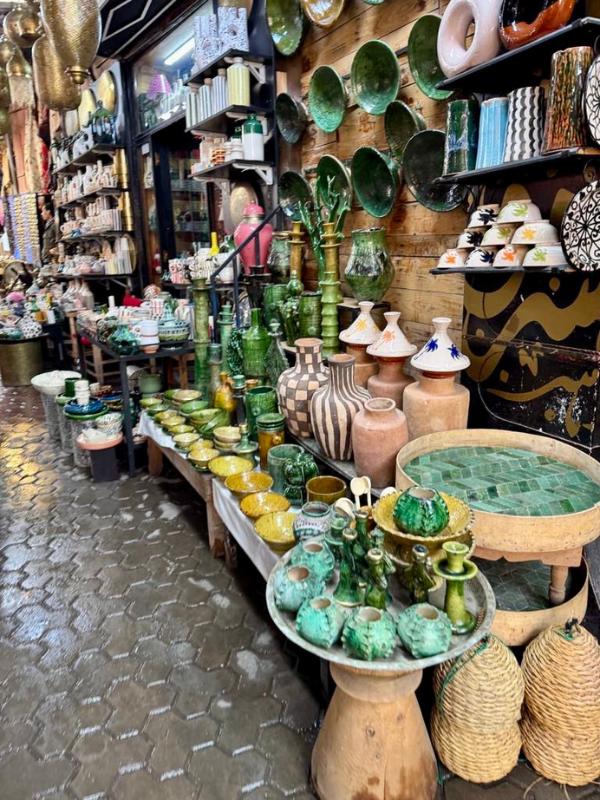
These are the items people often fall in love with unexpectedly.
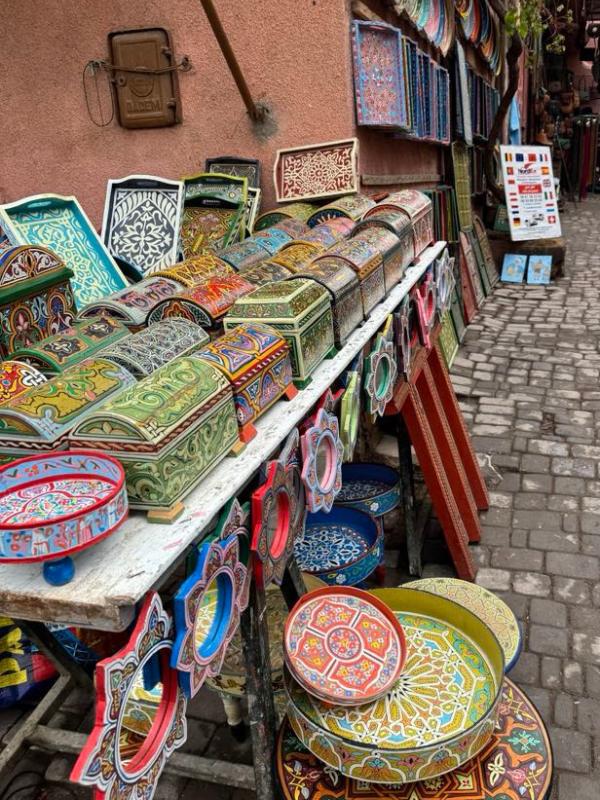
Lanterns, candle holders, mirrors with carved or metal frames, engraved trays, decorative boxes, and small carved wooden items are everywhere in the medinas. Many are lightweight but bulky, so think about how you will pack them before buying.
Lanterns in particular are tempting, but sizes and materials vary significantly, so compare before committing.
Jewellery and Accessories
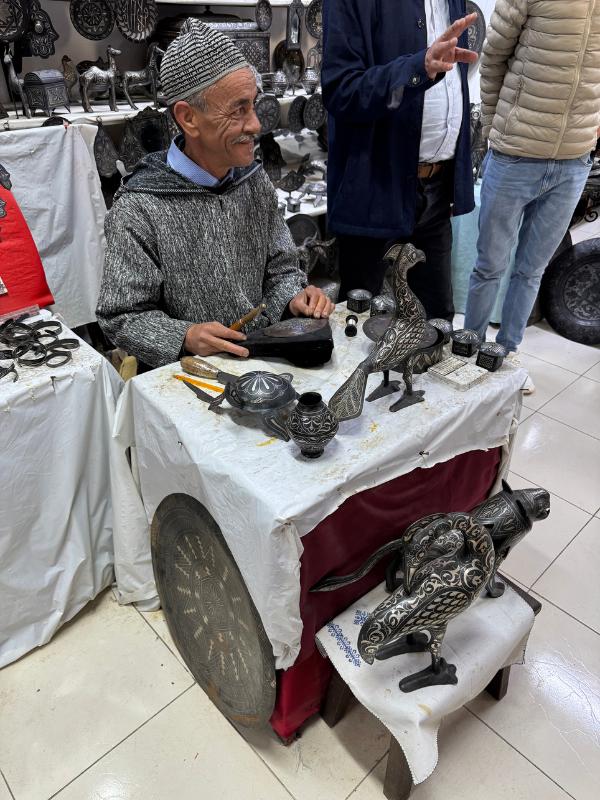
Jewellery is generally lightweight and easy to carry.
I actually bought some silver earrings and forgot to take a picture of the jewellery on sale!
However silver jewellery, Berber-style necklaces and earrings, beaded pieces, statement rings, and hair accessories are all popular and easy to find.
There is a mix of genuine silver and costume jewellery, so ask questions if this matters to you. Reputable sellers are usually happy to explain materials and origins.
Rugs and Carpets
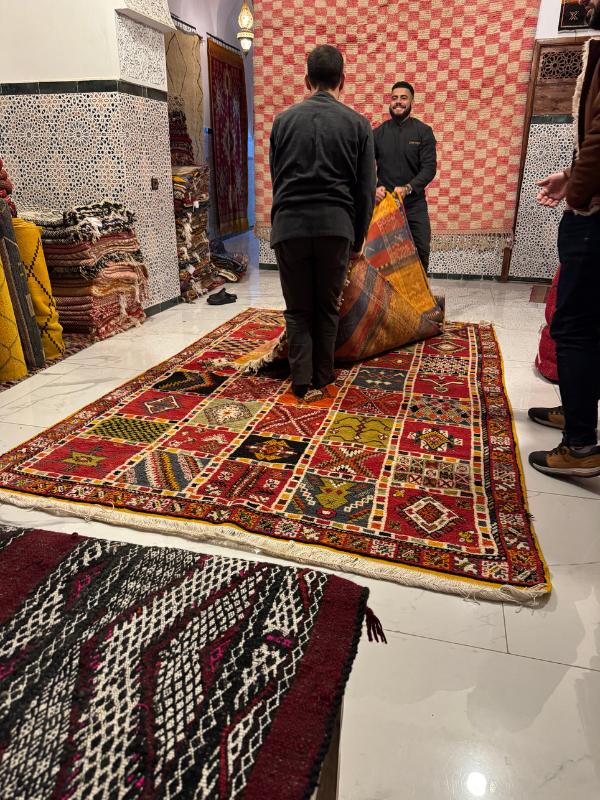
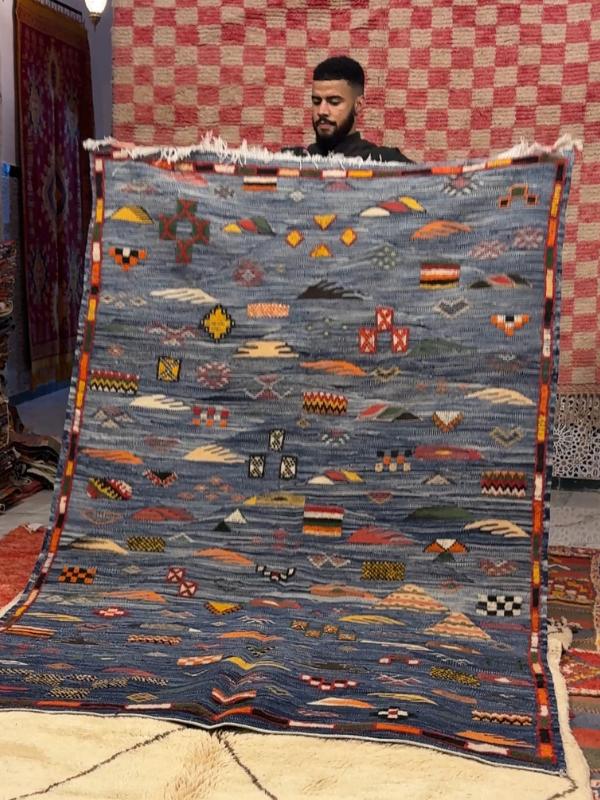
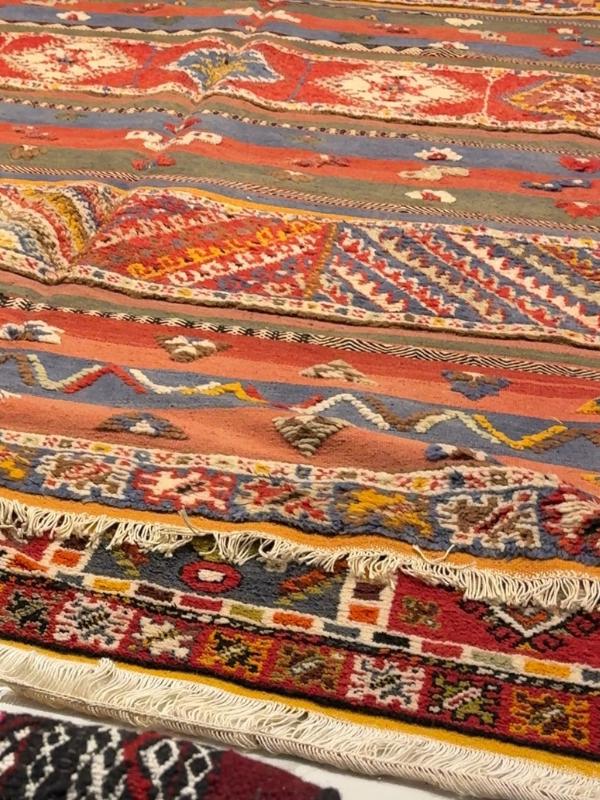
Rugs are a big-ticket item, but many travellers plan specifically to buy one in Morocco.
Options include Berber rugs, flat-woven kilims, boucherouite rugs made from recycled textiles, and smaller mats or runners. Prices vary widely based on materials, size, and workmanship.
Most established rug shops can arrange international shipping, which makes buying larger pieces much easier.
Beauty and Wellness Products
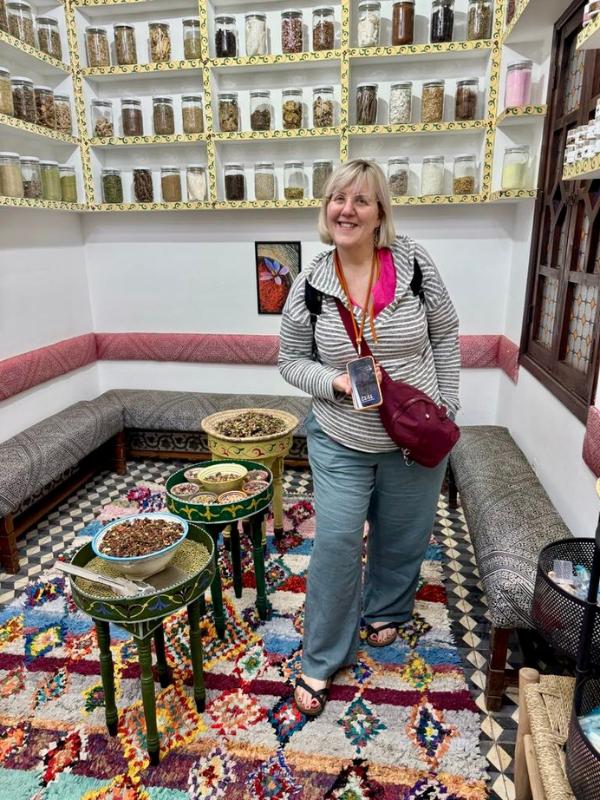
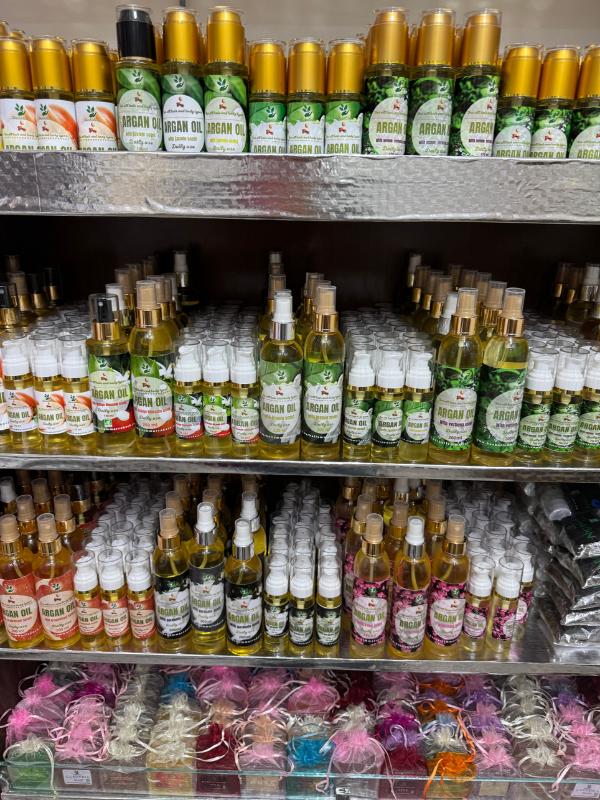
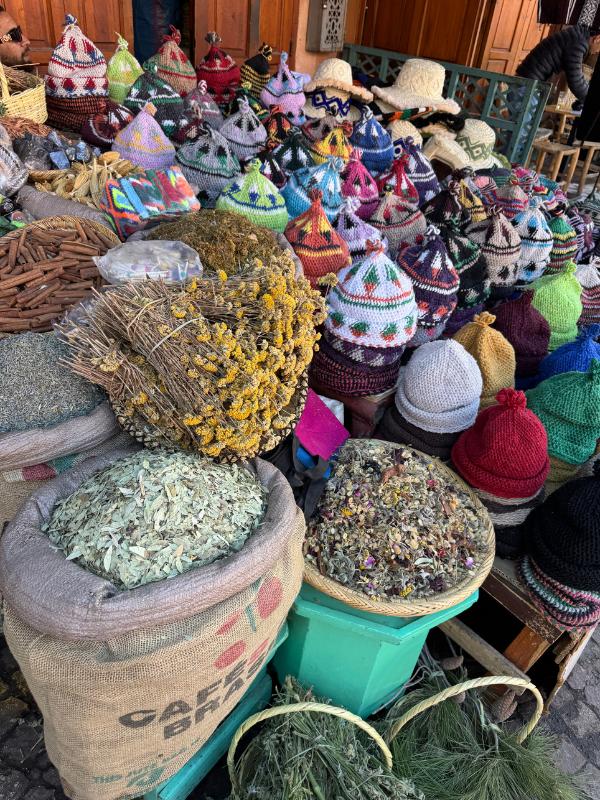
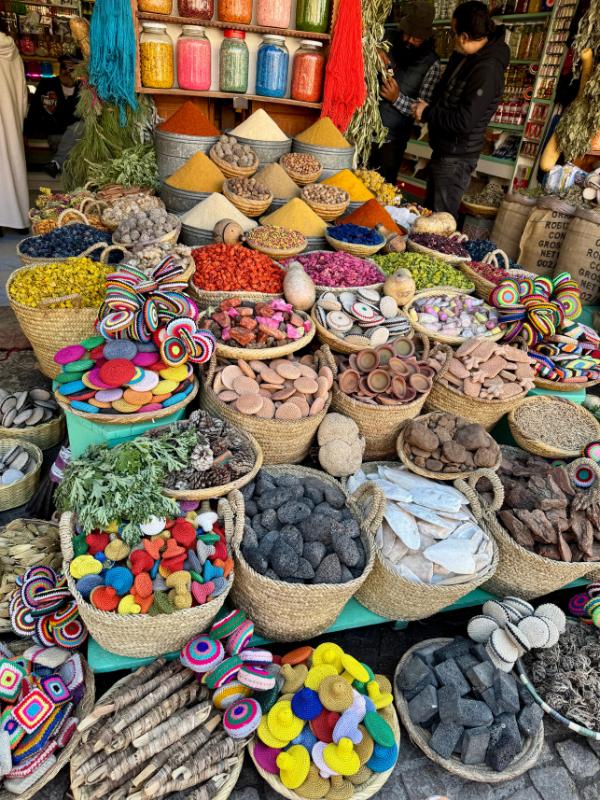
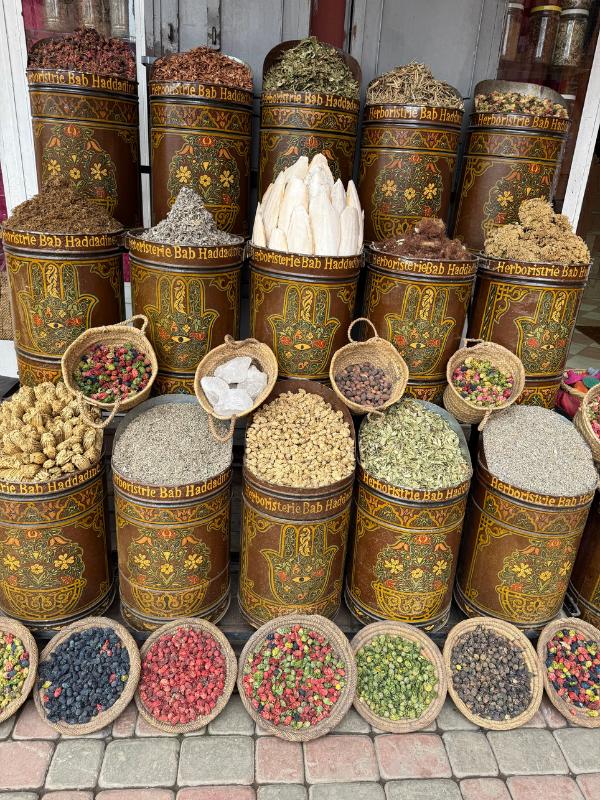
These items are easy to buy, easy to pack, and make excellent gifts.
Argan oil is one of the most popular purchases and comes in both culinary and cosmetic versions. Rose water, orange blossom water, natural soaps, and skincare products from cooperatives are also widely available.
Buying from women’s cooperatives is a good way to support local communities, and these sellers are usually very transparent about how products are made.
Food and Kitchen Items
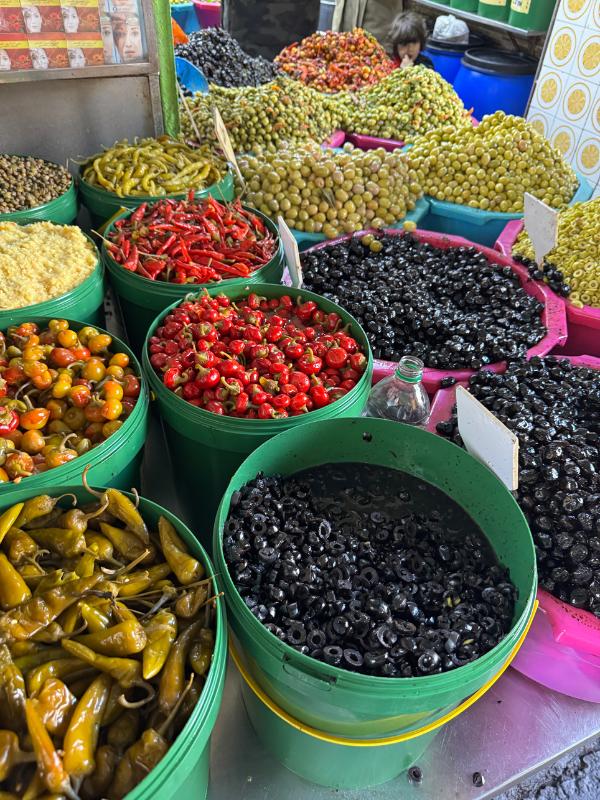
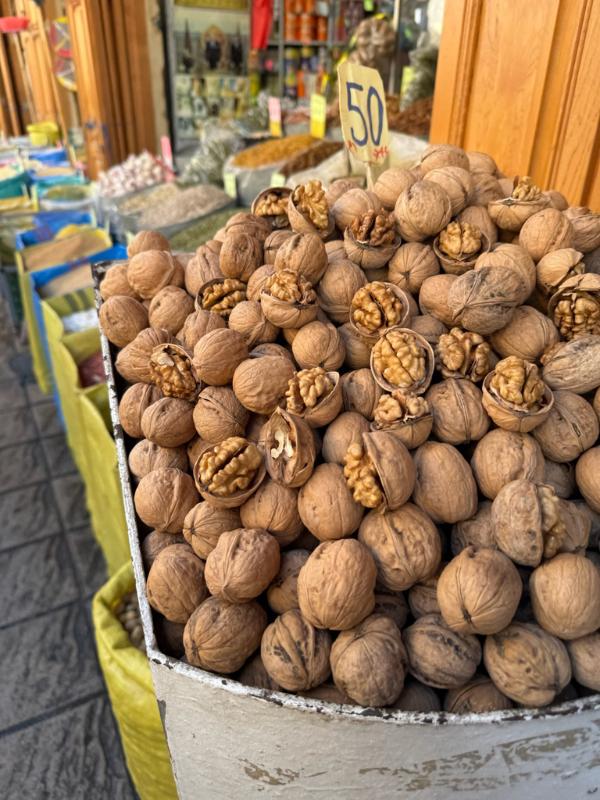
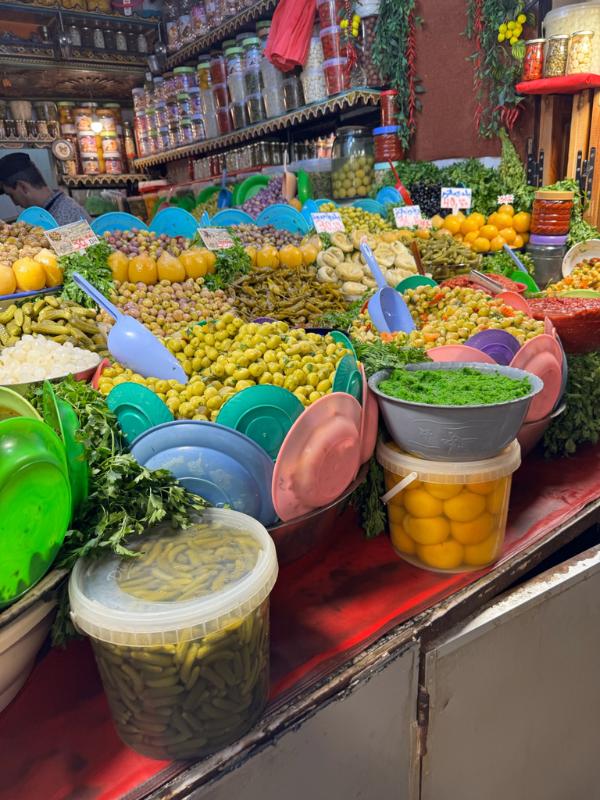
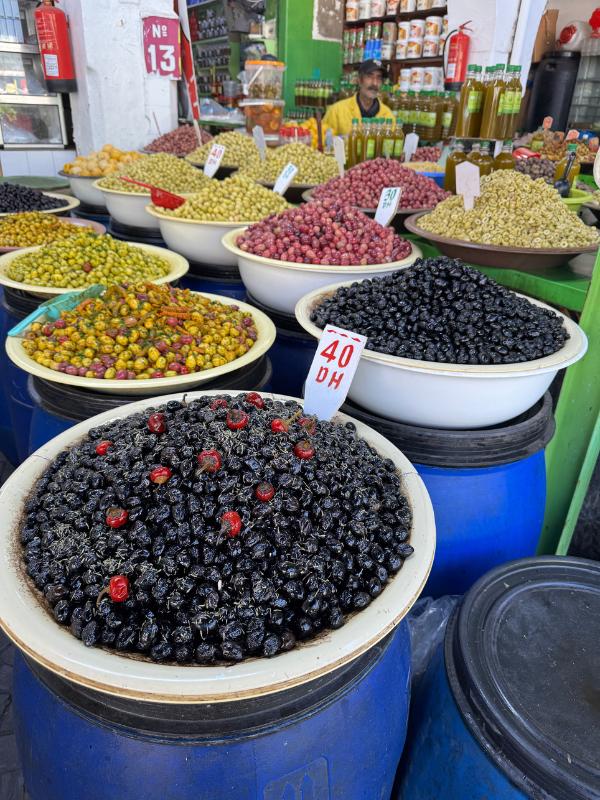
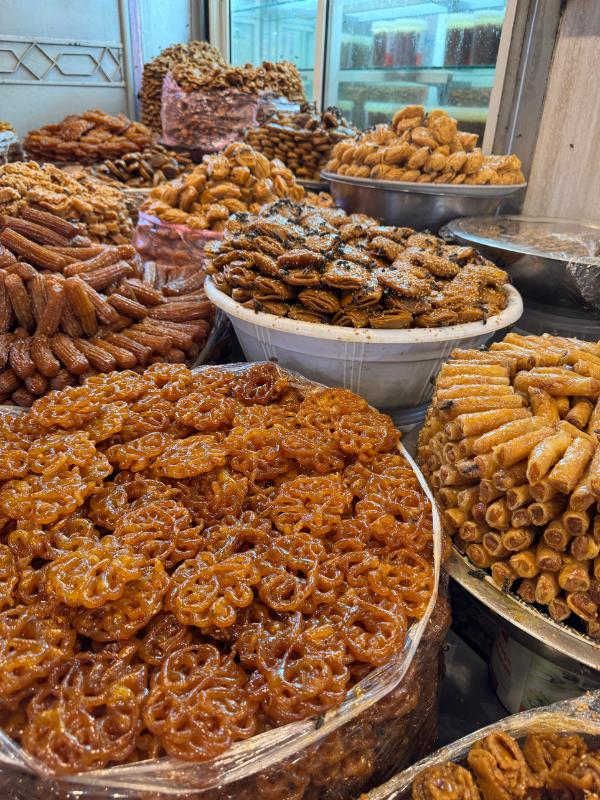
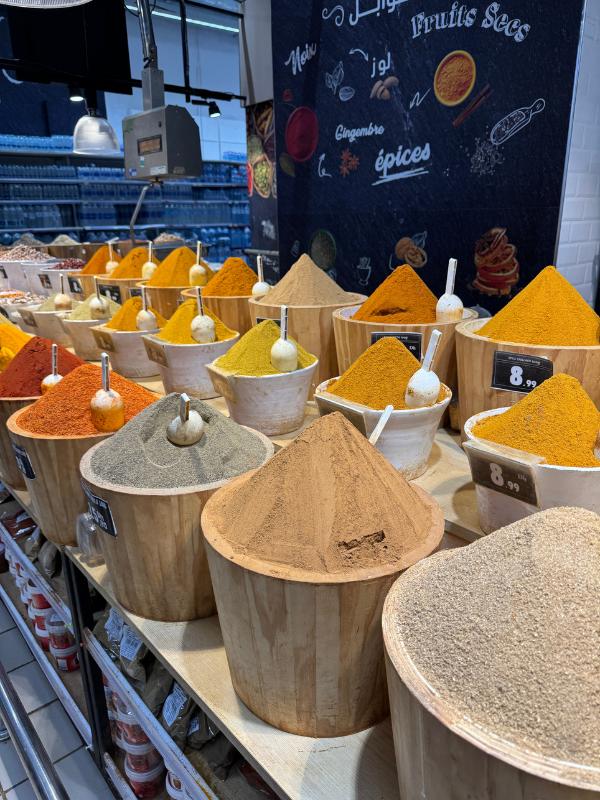
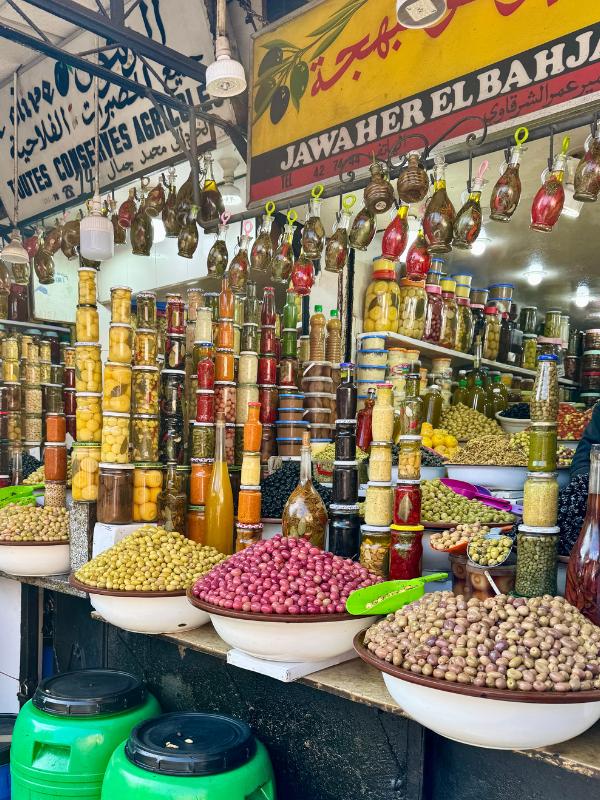
Spices and spice blends are everywhere, with ras el hanout being the most well known. Whole spices keep their flavour longer, and most sellers will pack them securely for travel.
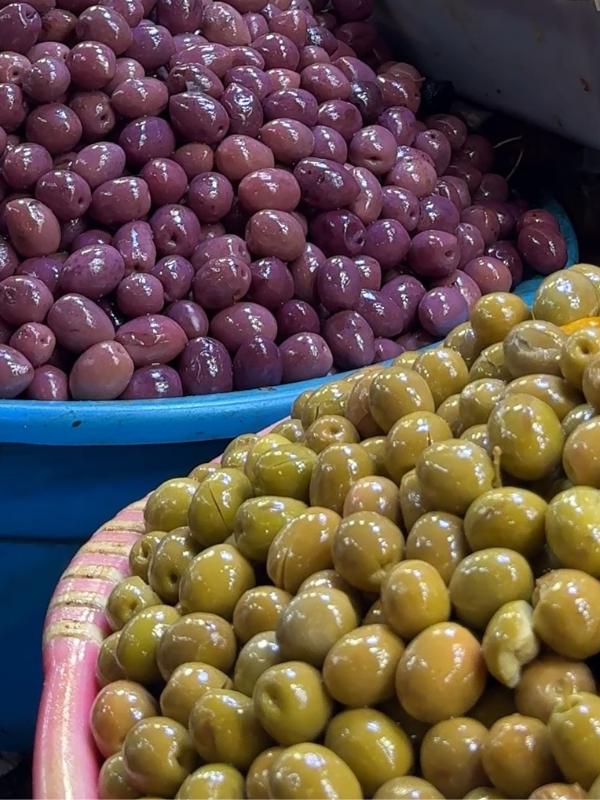
Olives are another standout. Markets often have dozens of varieties, and you can usually taste before buying. Ask for vacuum sealing if you plan to travel with them, as this makes them much easier to transport.
Preserved lemons are widely used in Moroccan cooking and are usually sold in jars or sealed packs. Tea glasses, metal teapots, and decorative serving trays are also popular and packable if wrapped carefully.
Clothing
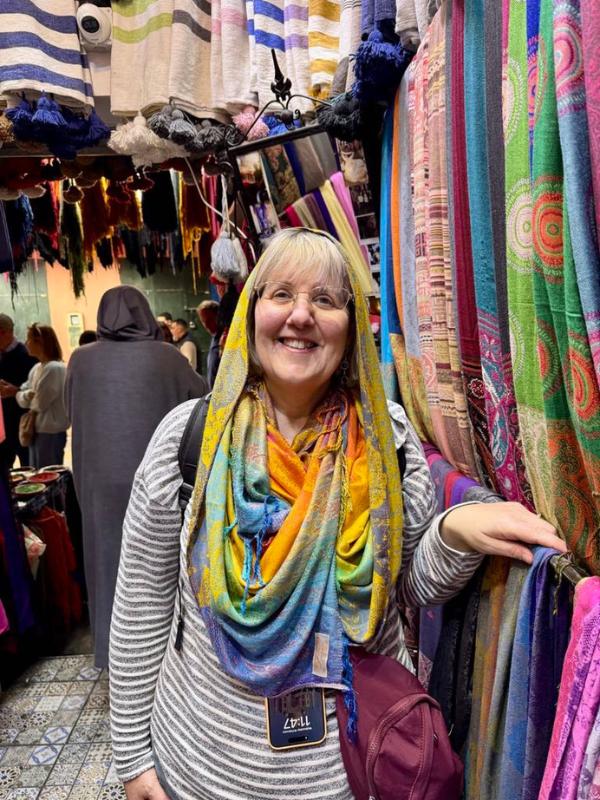
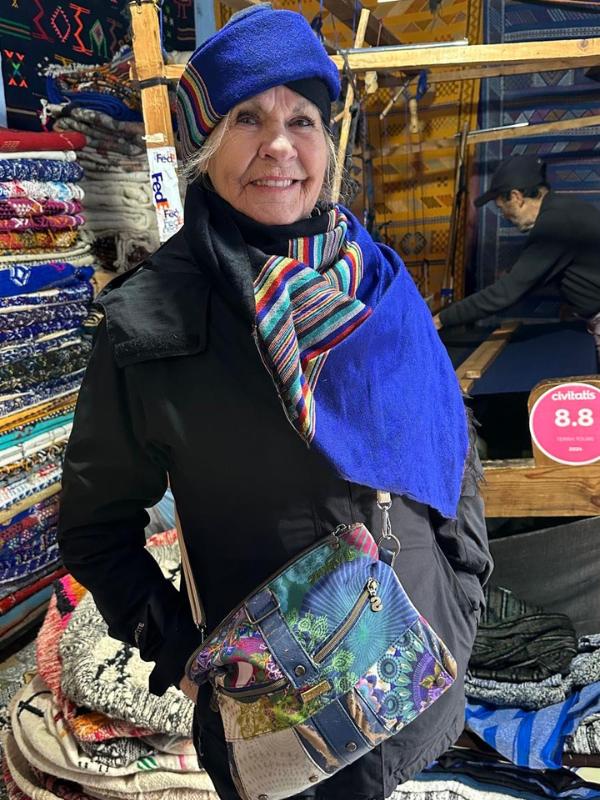
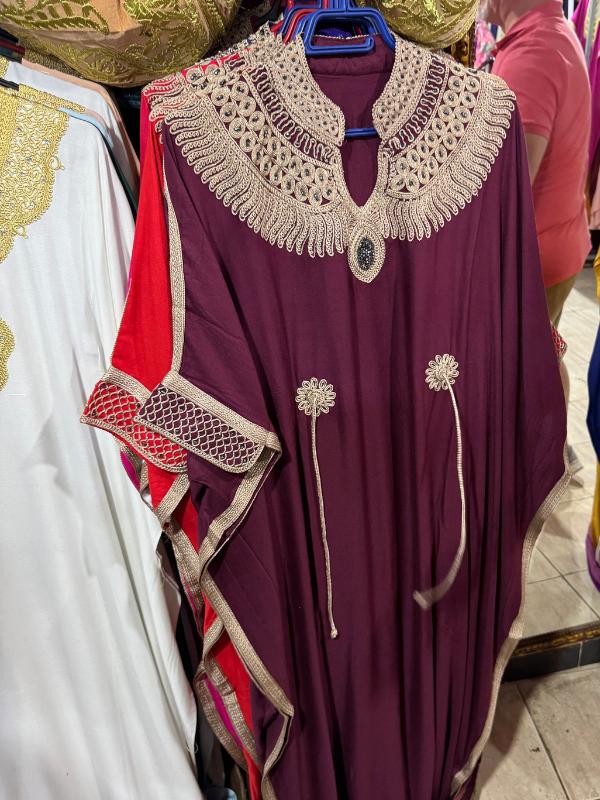
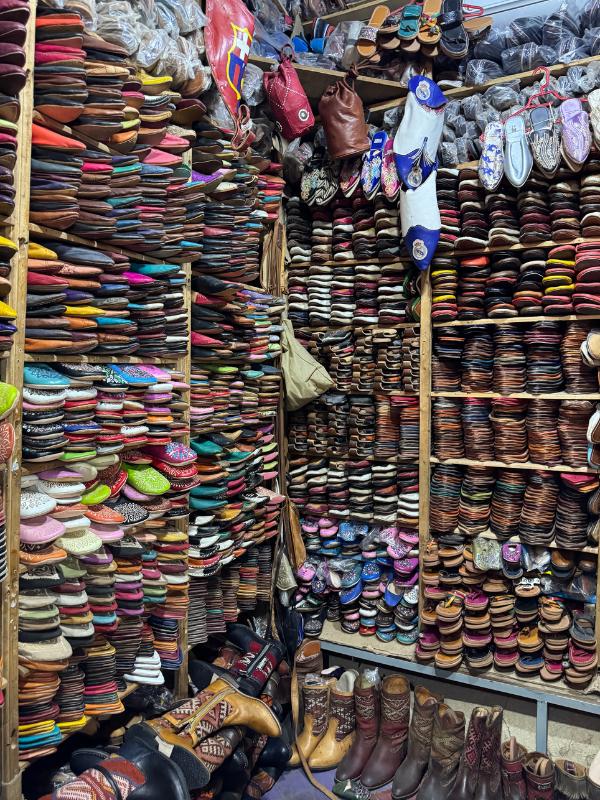
Shopping for clothing in Morocco is not fashion shopping in the Western sense, but you will see distinctive traditional garments.
Kaftans, djellabas, embroidered jackets, light cotton tops, and indoor slippers are common. These pieces are often handmade and reflect local styles rather than trends.
Shop keepers will want to dress you in the scarves as part of their sales pitch – it is fun! And look how incredible Diane looked in her scarf – she was the oldest member of our tour group (at 82) and was so much fun.
This is also a good category for observing what locals actually wear compared to tourist-focused items.
Small Souvenirs and Gifts
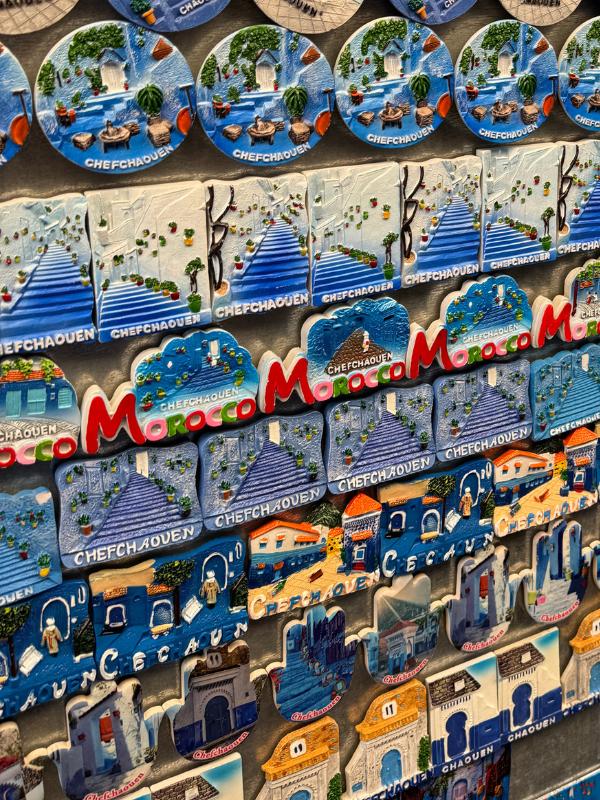
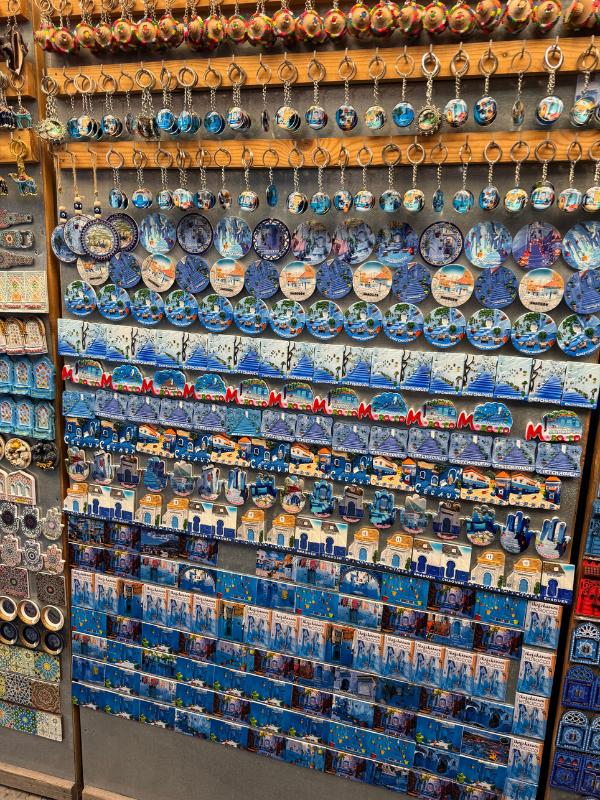
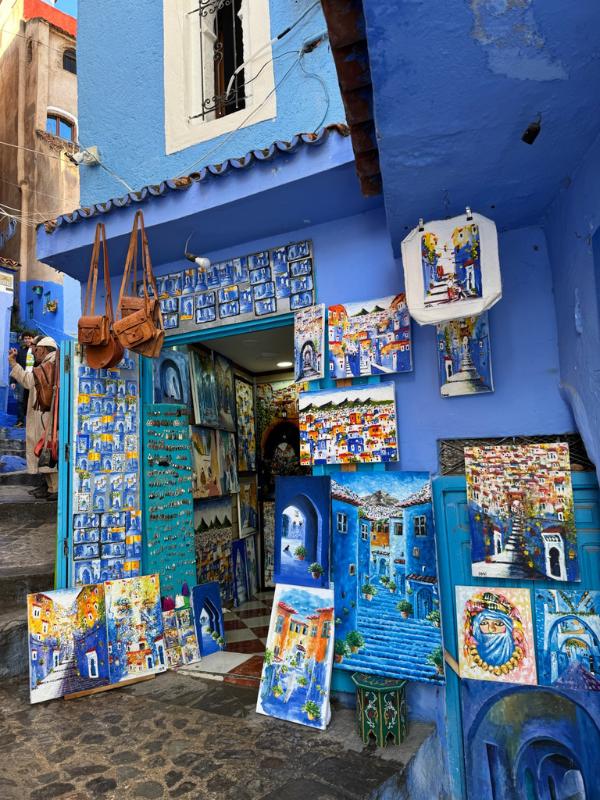
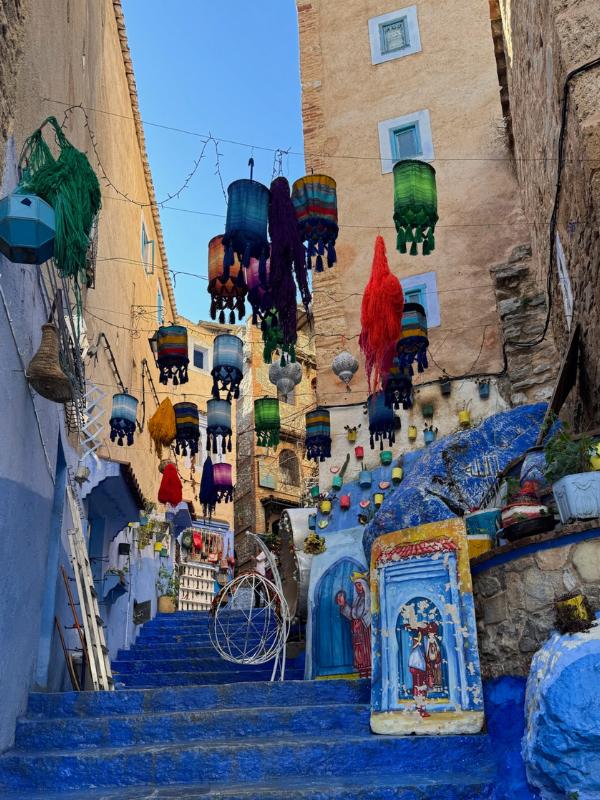
If you are short on space, there are plenty of small items that travel well.
Magnets, mini lanterns, keyrings, small ceramics, handmade soaps, and scarves make easy gifts. These are widely available throughout the medinas and at different price points.
Practical Buying Tips for Shopping in Morocco
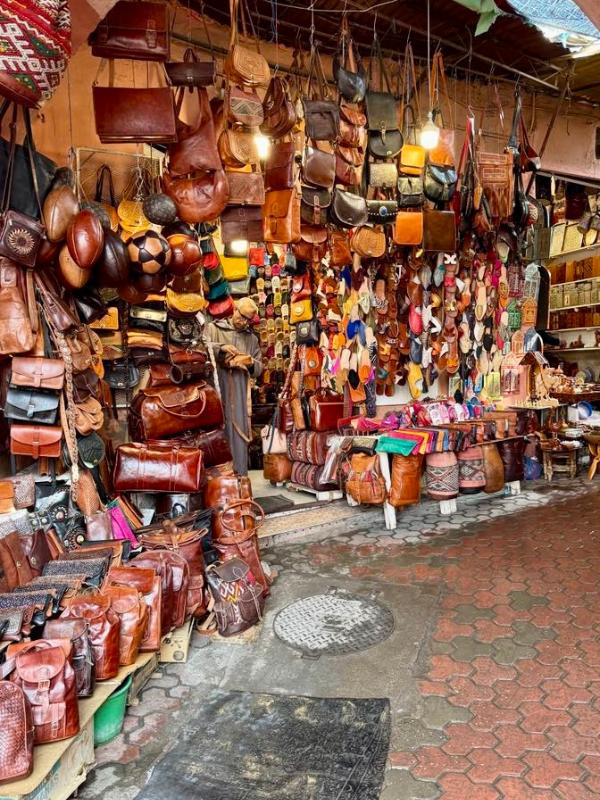
Prices in Moroccan markets are rarely fixed, particularly in medinas. The first price you are given is often a starting point rather than a final amount.
Smaller items such as scarves, ceramics, jewellery, and spices usually have room for negotiation. Larger items like rugs, lanterns, and furniture vary widely in price depending on materials and workmanship. Shops outside the busiest tourist lanes often start closer to a realistic price.
If you are buying several items from one stall, it is normal to ask for a combined price. A good rule is that if the final price feels reasonable to you and you are happy to pay it, then it is a fair price.
Bargaining is part of the culture, but it does not need to feel confrontational. Being polite, friendly, and relaxed goes a long way. Asking “best price?” or “is that your final price?” is perfectly acceptable. Walking away is also fine and often leads to a lower offer. There is no need to bargain aggressively.
Cash is still widely used, especially in markets, taxis, and smaller shops. Bring small denominations of Moroccan dirhams, as many sellers cannot break large notes. Credit cards are accepted in some larger shops, but not reliably.
For rugs, furniture, or bulky decor, shipping is common and usually straightforward. Reputable shops arrange international shipping and provide paperwork. Always ask for shipping costs upfront, take photos of the item and receipts, and make sure you have contact details. If anything feels rushed or unclear, it is best to walk away.
Before buying, check stitching on leather goods, look for even glazing on ceramics, and feel the weight and quality of textiles. Genuine cooperatives and experienced sellers are usually happy to explain how items are made.
Shopping in the Medinas of Marrakesh and Fez
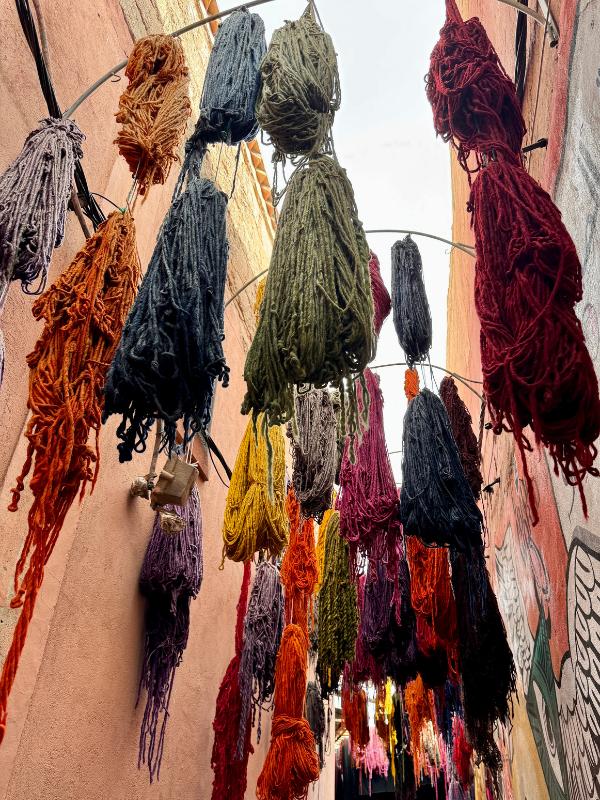
Shopping in Marrakesh is lively, energetic, and varied. It is a great place to buy lanterns, ceramics, scarves, and souvenirs.
Prices can start higher, particularly near Jemaa el-Fnaa, and there is often more sales chatter and attention. Taking breaks helps, as the sensory overload can be intense.
Shopping in Fez feels more traditional and craft-focused. Fez is especially strong for leather goods and ceramics, with many workshops still active.
Prices often feel more grounded, particularly away from the main routes, and it is a good place to buy fewer, higher-quality items.
Final Tip
My final tips when considering what to buy in Morocco? Leave space in your suitcase, take your time, and buy what genuinely appeals to you!
More resources and tips for Morocco

![What to Pack for Morocco [With packing list]](https://globaltravelplanning.com/wp-content/uploads/2026/01/What-to-wear-in-Morocco.jpg)

