What to Pack for Antarctica: A Complete Checklist
The biggest surprise about packing for Antarctica is that the cold is not really the problem. In the early summer, overheating caught far more of us out than the chill. Here is what actually worked.
What the ship provides

More is provided than you might expect, so check before you buy:
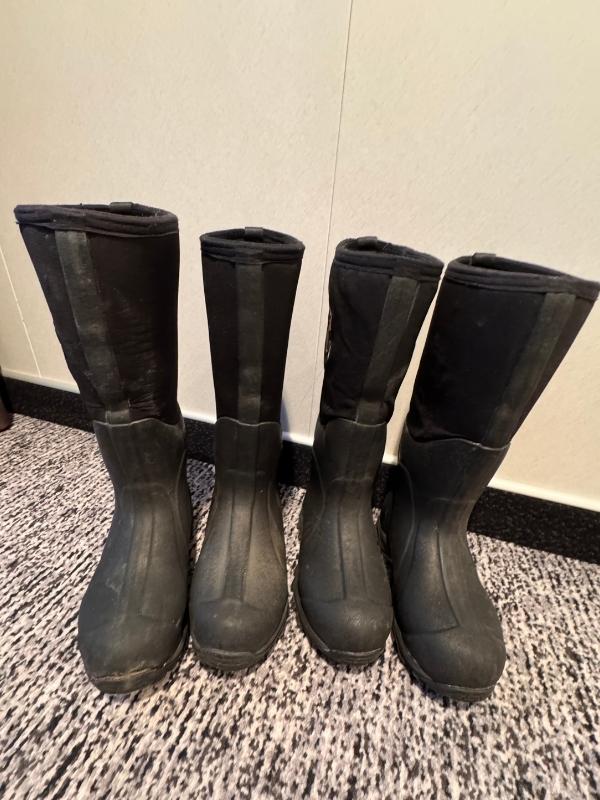
- Muck boots. The tall rubber boots you need for landings. You are fitted with these on board, and you hand them back at the end so they can be cleaned. If, like me, you have wider calves, allow a little time to find a pair that fits.
- The expedition jacket. Ours was provided by HX, and we kept it at the end.
- A reusable water bottle. Provided, and yours to keep, so there is no need to pack one.
- Walking poles. Provided on board, and genuinely helpful on the icy or uneven landings.
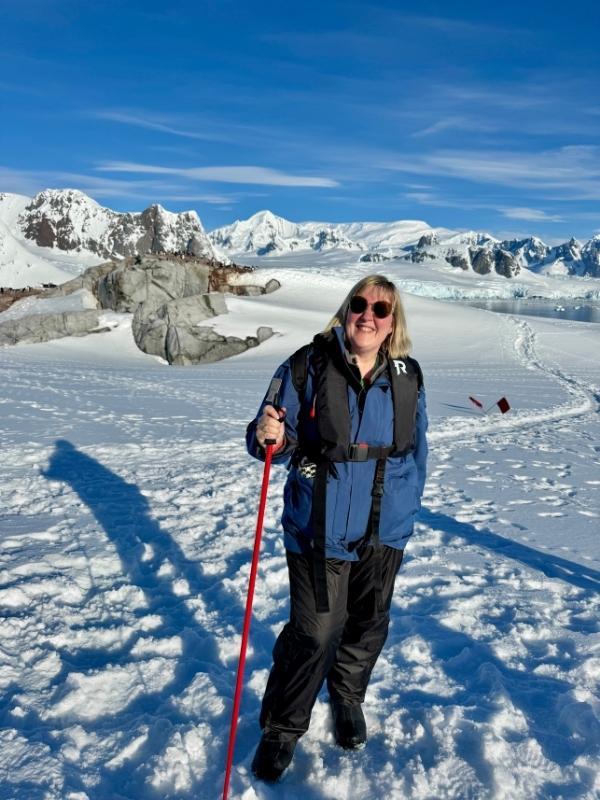
What I actually wore
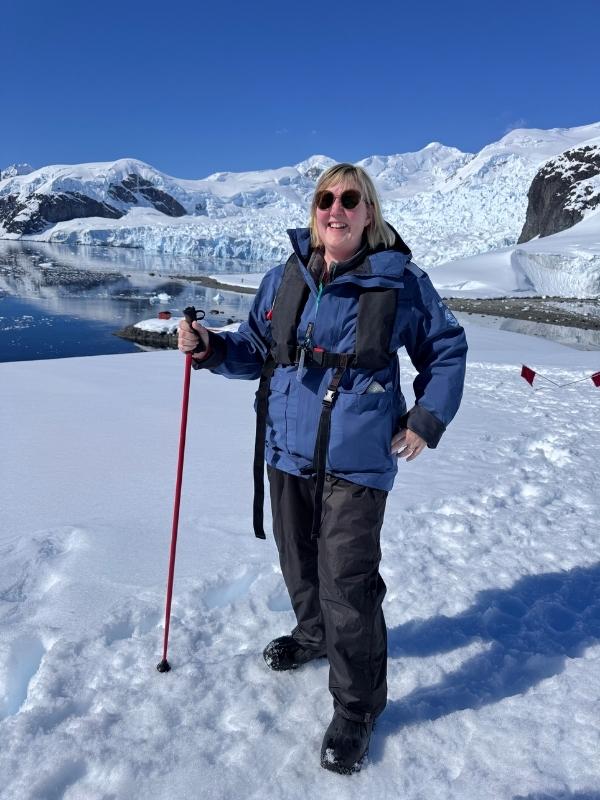
For almost every landing I wore the same thing, and it was plenty:
- A thermal long-sleeved top
- Thermal leggings or trousers
- Waterproof over-trousers on top
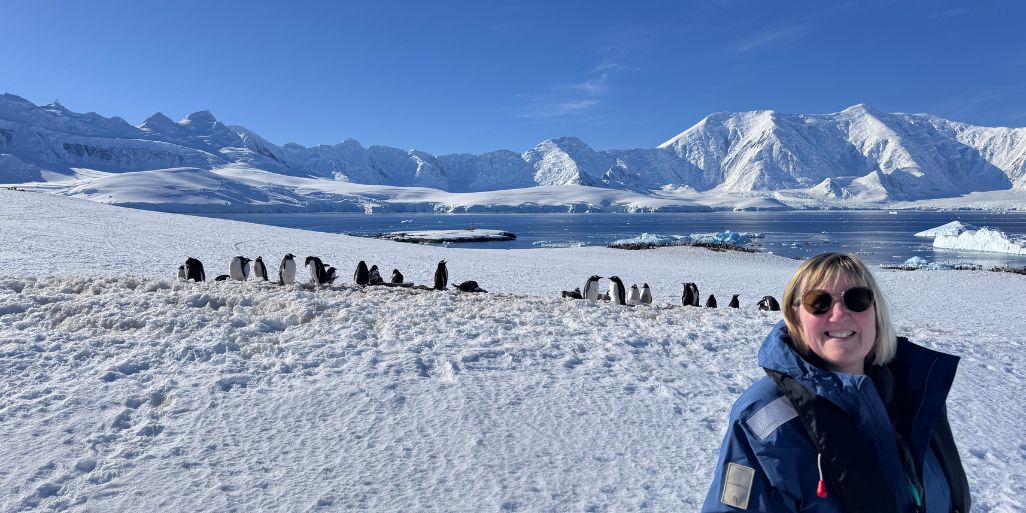
- The provided jacket and muck boots
That was genuinely all I needed. I had looked at buying ski trousers beforehand, and I am very glad I did not, I would have overheated badly. The waterproof trousers are the one layer I would never skip.
The things people over-pack
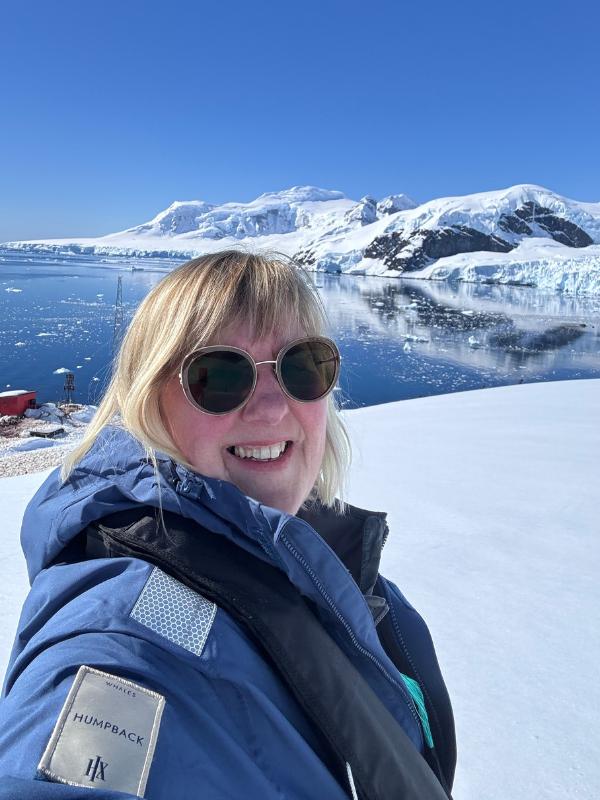
I took hat, gloves and a scarf, the full winter kit, and often did not wear them. They were handy on the zodiacs, where it is a little colder, but on the landings themselves I frequently took them off. I even bought extra gloves from the onboard shop and never used them.
Do not forget
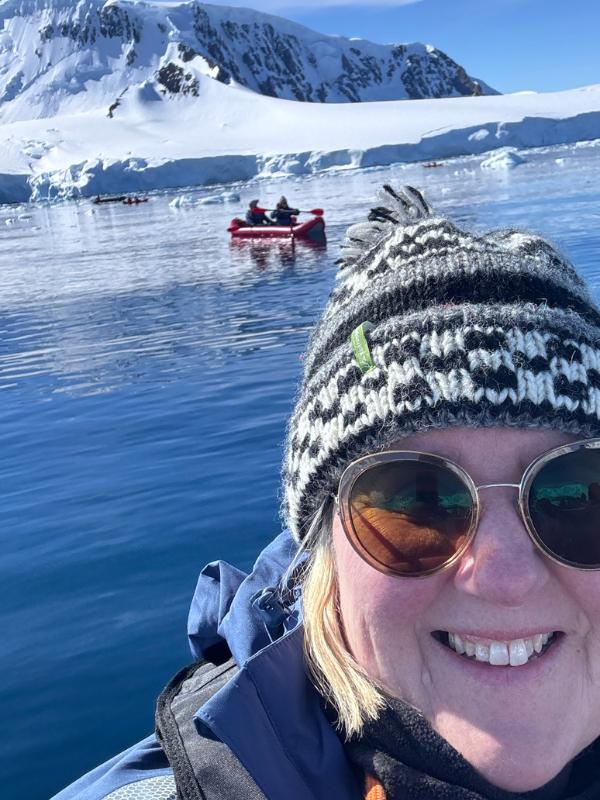
- A small backpack. This matters more than it sounds. You cannot put anything down on the snow, so when you want to shed a layer, you need somewhere to stash it.
- Sunglasses and high-factor sun cream. Essential. The sun reflecting off the snow and sea is fierce, and there are photos of me getting sunburnt on deck in a short-sleeved shirt.
- Lip balm with sun protection.
- Woollen thermals, which you can happily re-wear for several days.
- No food or drink for landings. You are not permitted to take it ashore.
For the ship and the downtime
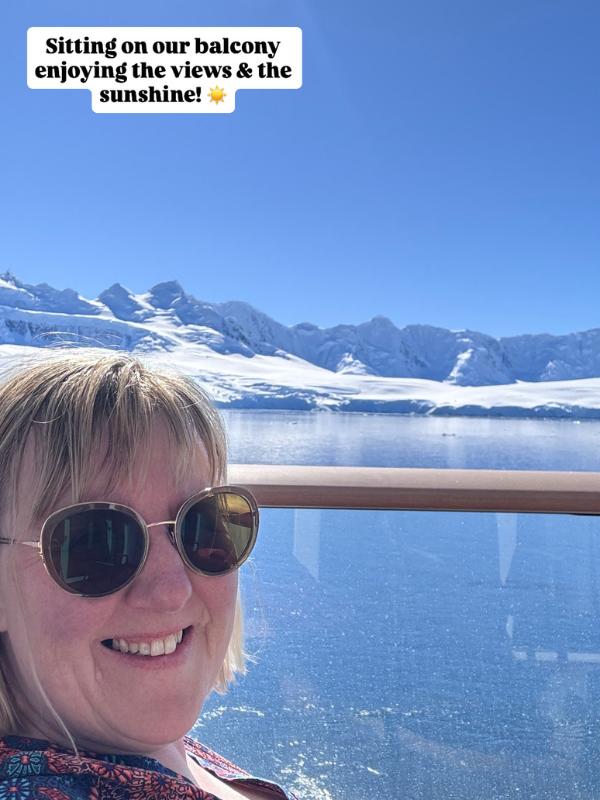
There is plenty of time at sea between landings, so pack a few things for the quieter hours:
- Headphones
- A Kindle or a good book
- Your phone charger
- Spare SD cards for your camera, you will take far more photos than you expect
A word on the weather
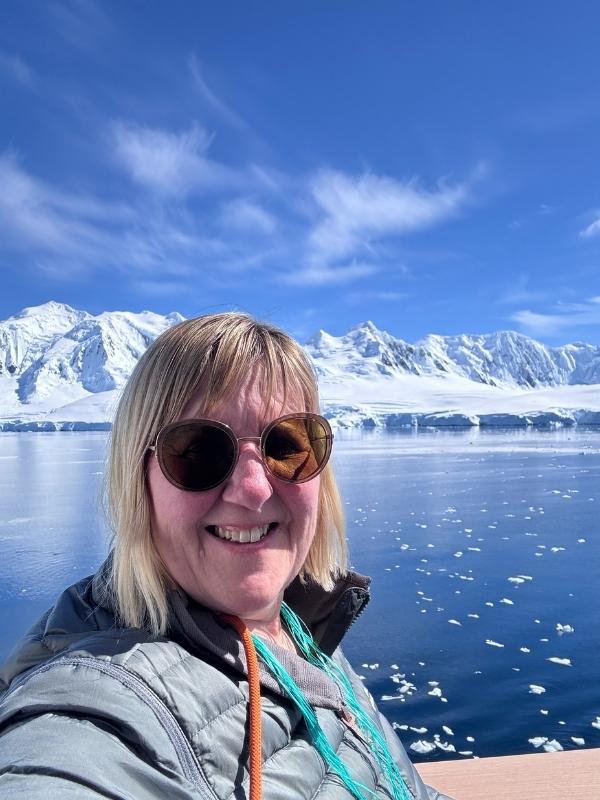
We were exceptionally lucky, warm enough for short sleeves on deck. The cruise before ours had dreadful weather. So pack for cold, but plan for the very real chance of warm, bright days, and the ability to take layers off easily.
Heading further with your planning? See our full Antarctica planning guide and what an expedition is really like.