The Best Time to Visit Antarctica and How to Choose Your Expedition
Antarctica has a short visiting season, roughly November to March, and the month you choose shapes what you see. Here is how to think about timing, and how to pick an expedition that suits you.
The season, month by month
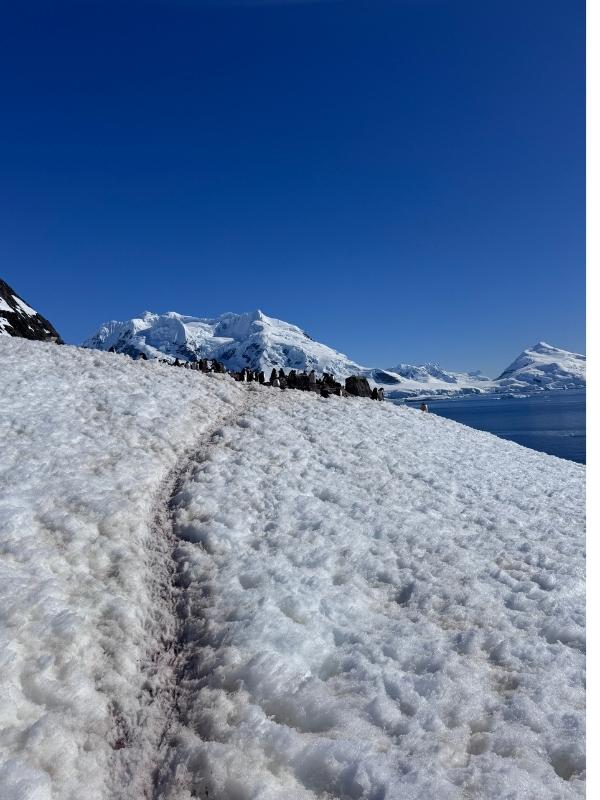
The Antarctic travel season runs across the southern summer:
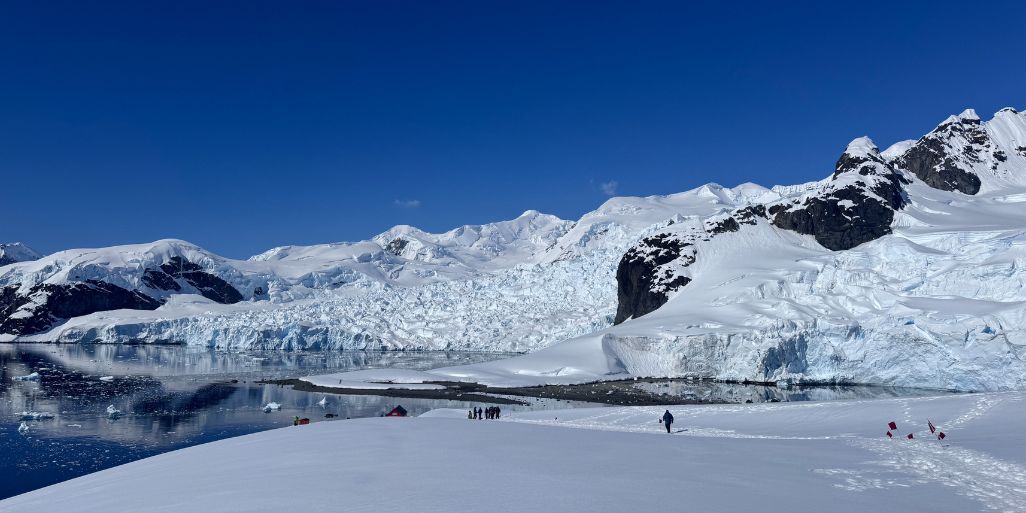
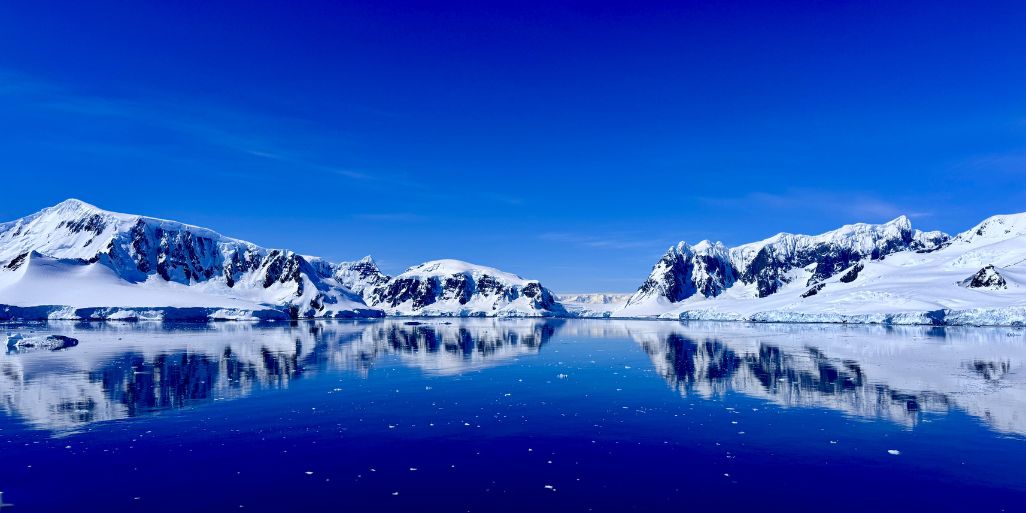
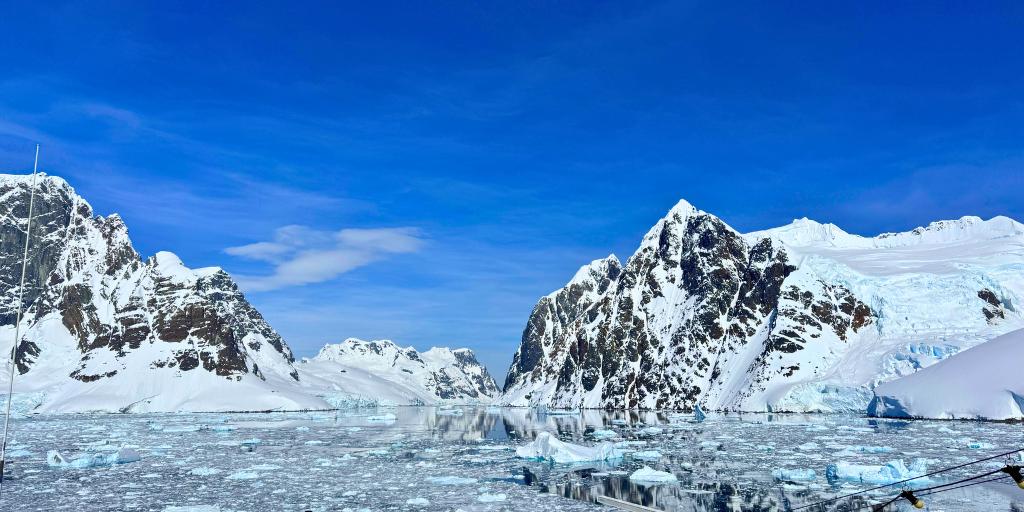
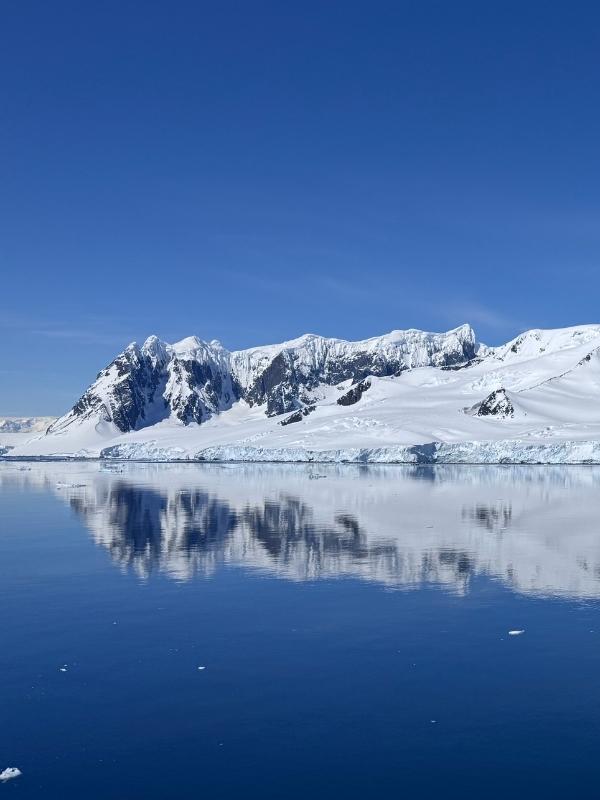
- November (early season). When I went. The ice is still pristine, the landscapes feel untouched, and the light is extraordinary, with close to 24-hour daylight. It can be colder, and some landing sites are still heavy with snow.
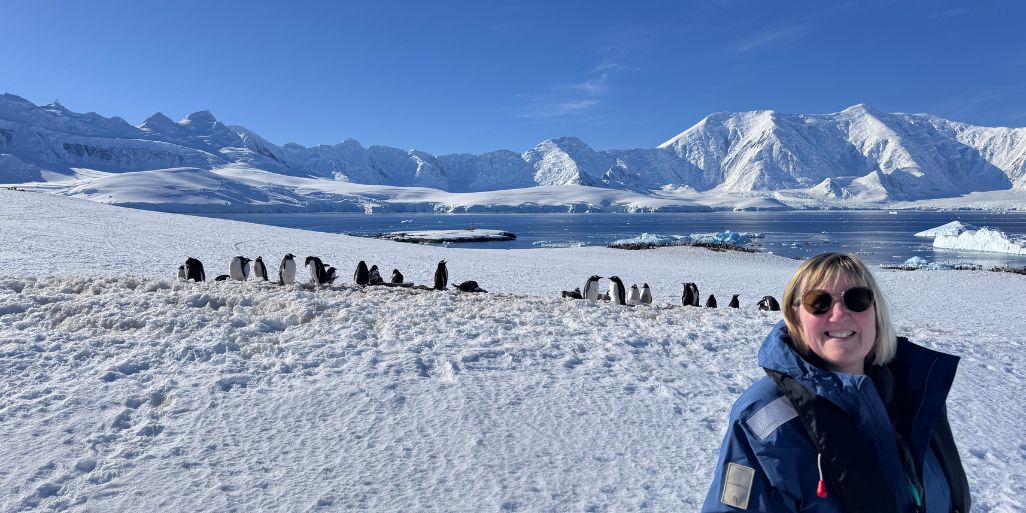
- December and January (peak). The warmest months and the longest days. Penguin chicks begin to hatch, and wildlife is very active.
- February and March (late season). The best time for whales, and slightly easier sailing as the season settles. The pristine early-season snow has melted back.
There is no single best month, only the best month for what you most want to see.
Choosing your ship
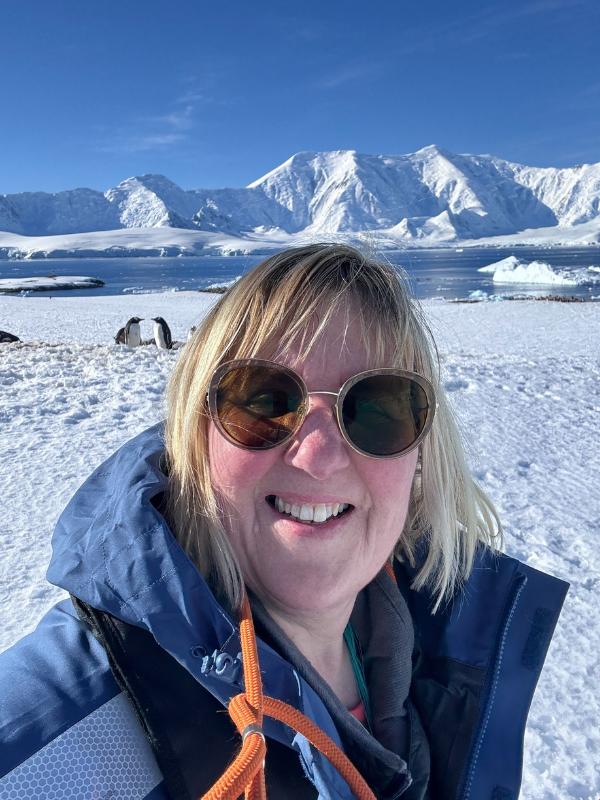
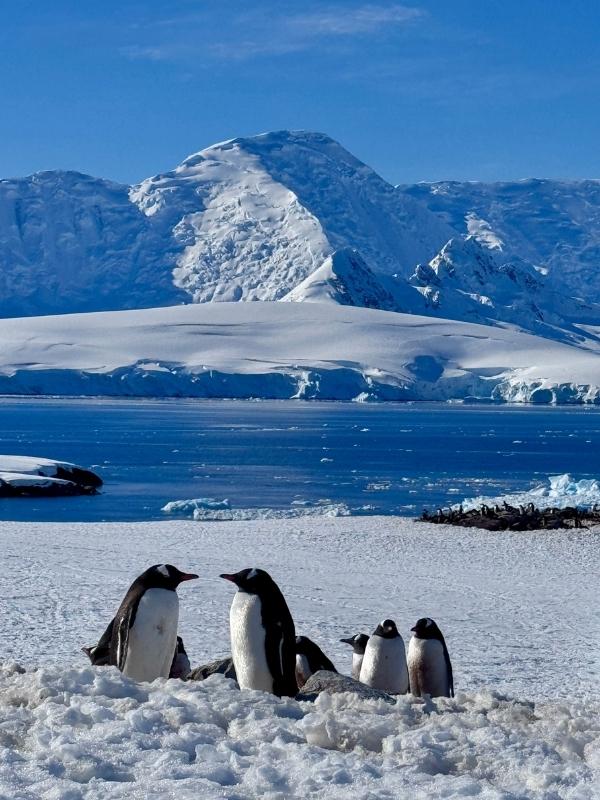
This matters more than people expect:
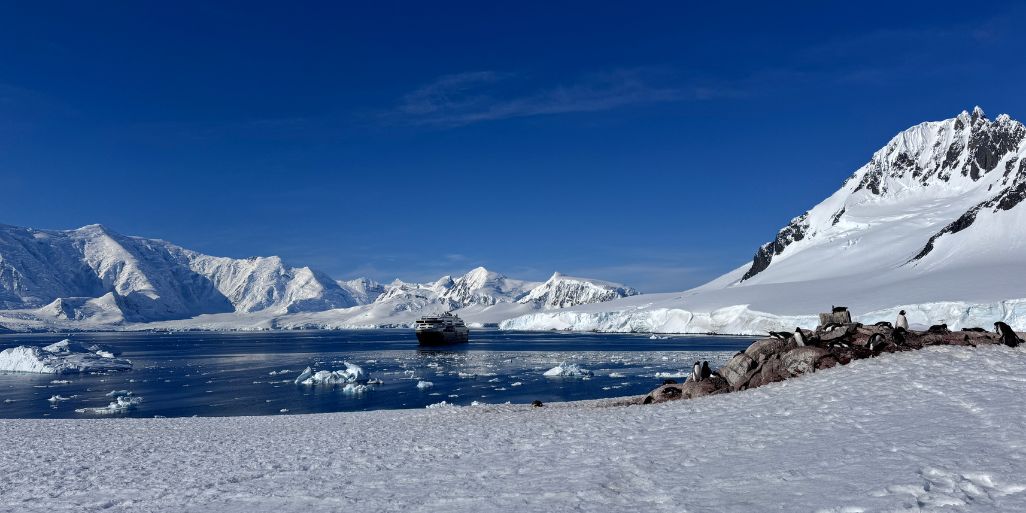
- Ship size. Smaller expedition ships mean more landings and a closer feel. Numbers ashore are limited at any one time, so larger ships can mean more waiting. Mine carried around 350, which felt right.
- The expedition team. The experts on board genuinely make the trip. Look for operators that invest in a strong team and a proper science or lecture programme.
- Cabins. If your budget stretches to a balcony, I would recommend it. I used ours constantly.
- Activities. Some sailings offer optional extras such as kayaking, which are worth considering if you want to be closer to the water.
Sailing or flying the Drake

Most trips sail across the Drake Passage from Ushuaia, which is part of the adventure but can be rough. Some itineraries let you fly across instead, which is worth looking into if seasickness is a concern. There is more on this in Crossing the Drake Passage.
A note on cost
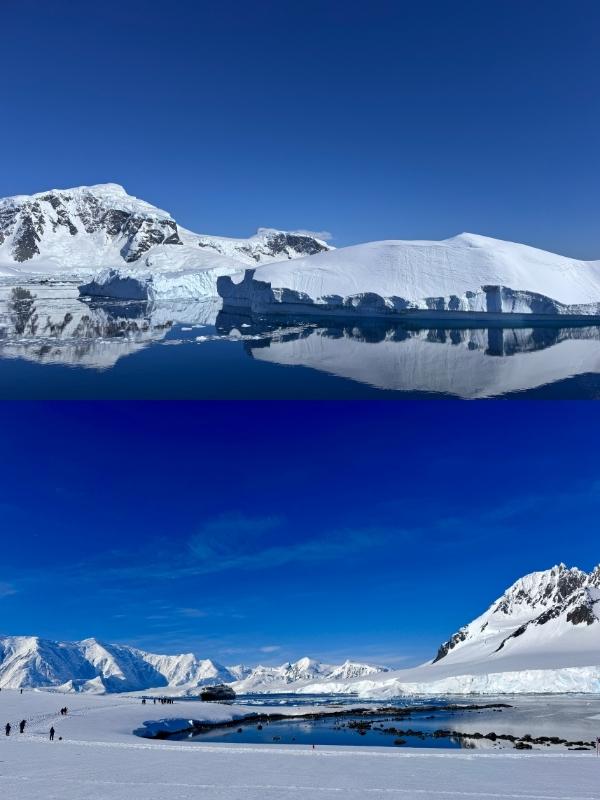
Antarctica is a significant trip, and it is not a cheap one. My honest advice is to make the most of everything that is included, the experts, the science centre, the talks, so you come home having learnt as much as you have seen.
Start with our complete guide to planning an Antarctica expedition cruise.