How to Plan an Antarctica Expedition Cruise: A First-Timer’s Guide
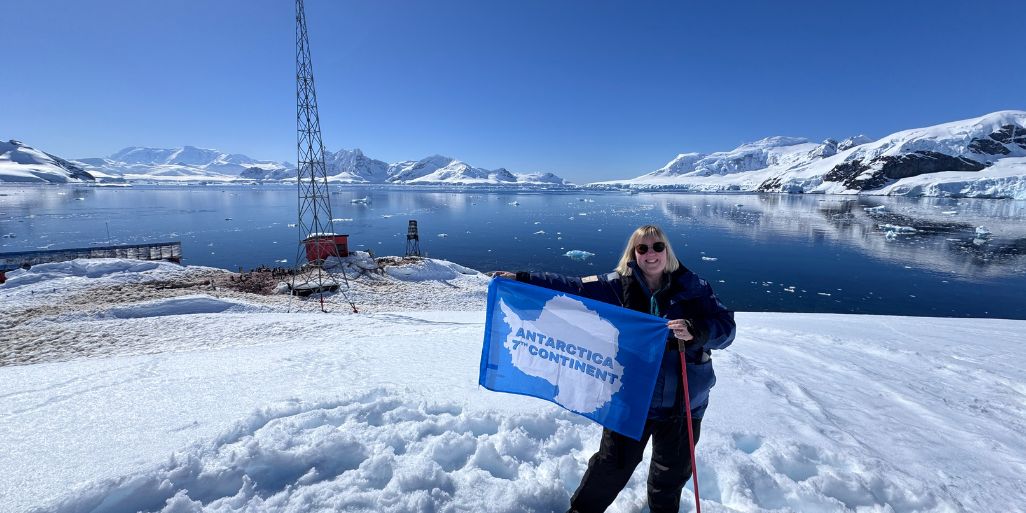
Antarctica was one of those places I never really thought I would reach. It felt like a someday, maybe destination from the time I was a child. So when the chance came to sail there with HX Expeditions, I could not quite believe my luck, and I can tell you now it lived up to every bit of the dream.
This guide pulls together everything I wish I had understood before I went, so you can plan your own trip with confidence.
How you get to Antarctica

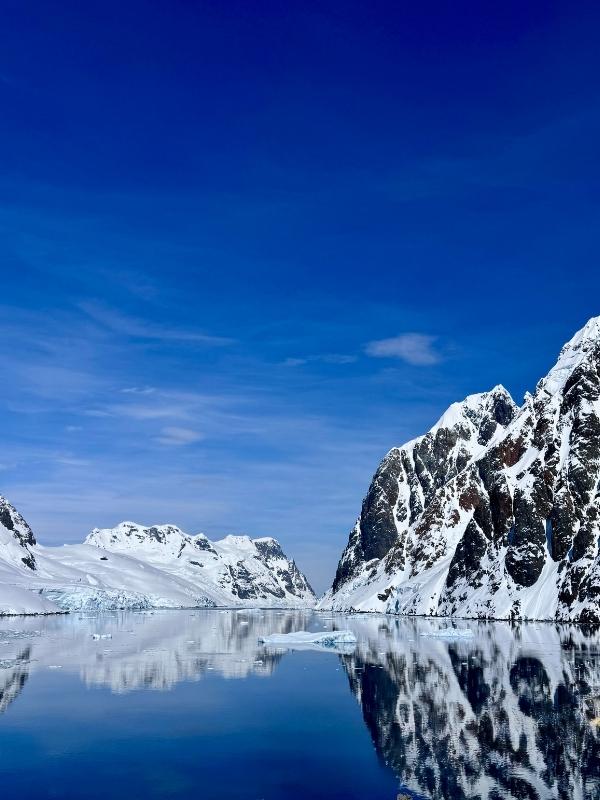
Almost every Antarctica trip begins in Ushuaia, the southernmost city in the world, at the tip of Argentina. From there, expedition ships cross to the Antarctic Peninsula.
Getting to Ushuaia is the long part. From Australia it took four flights, Brisbane to Sydney, Sydney to Santiago (Chile), Santiago to Buenos Aires, and finally down to Ushuaia, with an overnight in Buenos Aires on the way.
All in, I was away around 16 to 18 days, two of which were spent almost entirely on airplanes. It is worth building in a night or two along the way rather than racing straight through.
Ushuaia itself is lovely, and well worth a little time. You can collect a stamp marking the end of the world, and the contrast is striking. Buenos Aires was warm enough for short sleeves, and Ushuaia was properly cold.
Choosing your expedition and ship
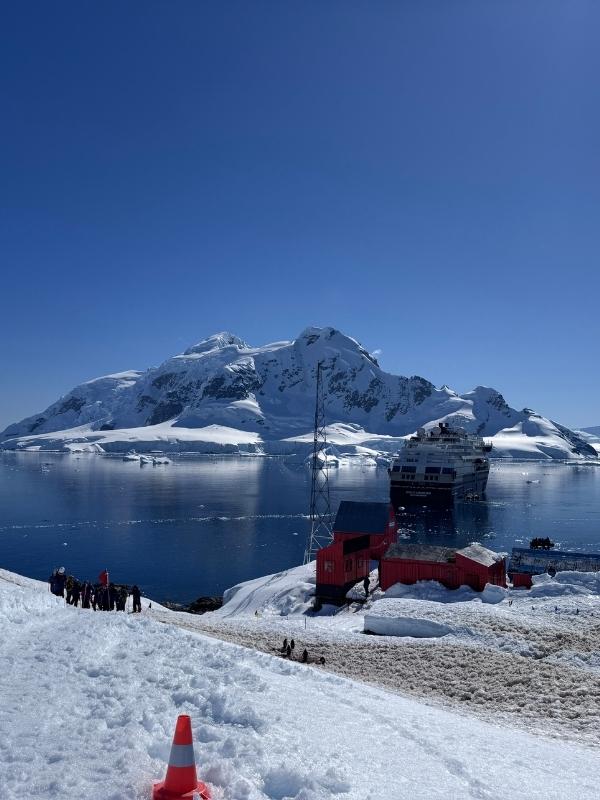
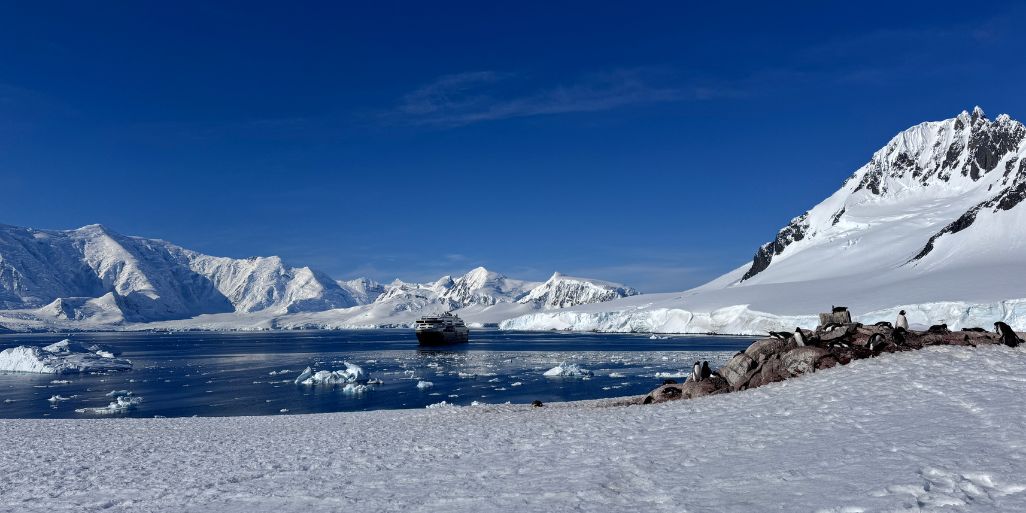
I travelled on the Roald Amundsen, a ship built specifically for polar travel, with around 350 passengers. After worrying that a cruise would not suit me at all, I was won over by how different an expedition ship is from the enormous cruise ships you picture. It is small, the focus is on where you are, and there is a genuine sense of expedition rather than entertainment.
A few things made a real difference:
- A cabin with a balcony. I am so glad we had one. I would sit out and watch the scenery, and the zodiacs heading off on landings.
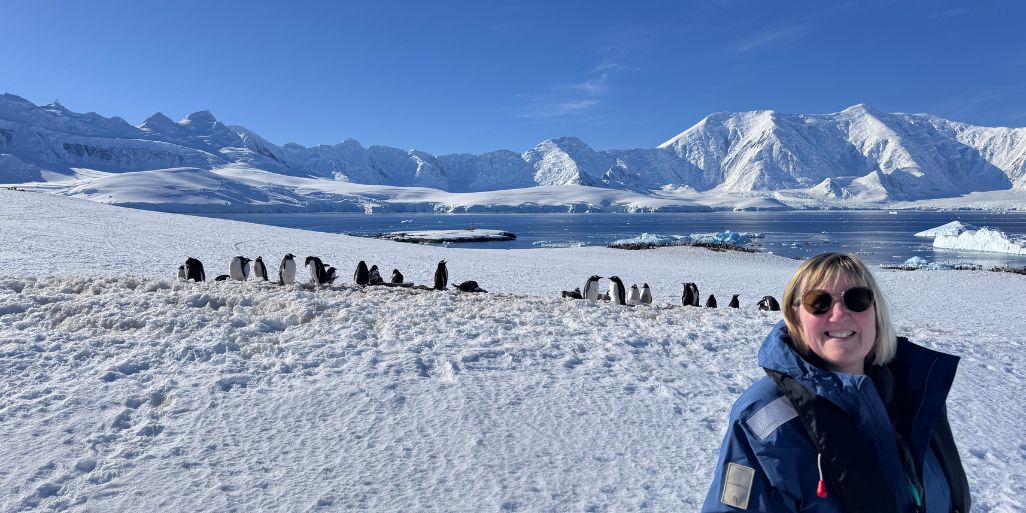
- The onboard experts. There is a science centre and daily lectures, and the expedition team come from all over the world, each with their own speciality. Make the most of them. By the end I could identify several penguin species, which I never expected.
- The small touches. Two restaurants with all meals and drinks included, a top-deck lounge running the length of the ship, and a sauna with glass walls looking straight out onto the ice.
For more on timing and how to choose between operators and sailings, see The Best Time to Visit Antarctica and How to Choose Your Expedition.
What the days are like
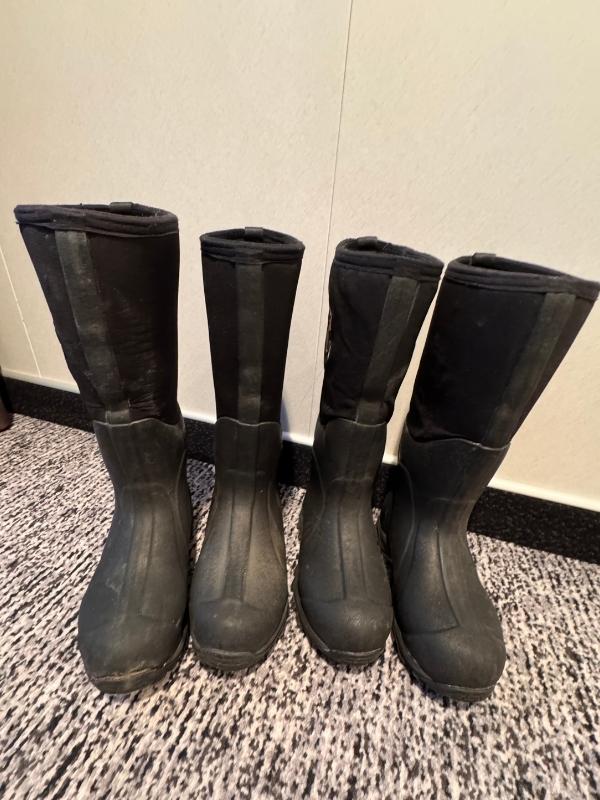
The first couple of days are spent getting kitted out, making sure your jacket fits and finding muck boots in your size. After that you settle into a rhythm quickly. Each evening there is a briefing on what is planned for the next day, so you can decide which landings and talks to join.
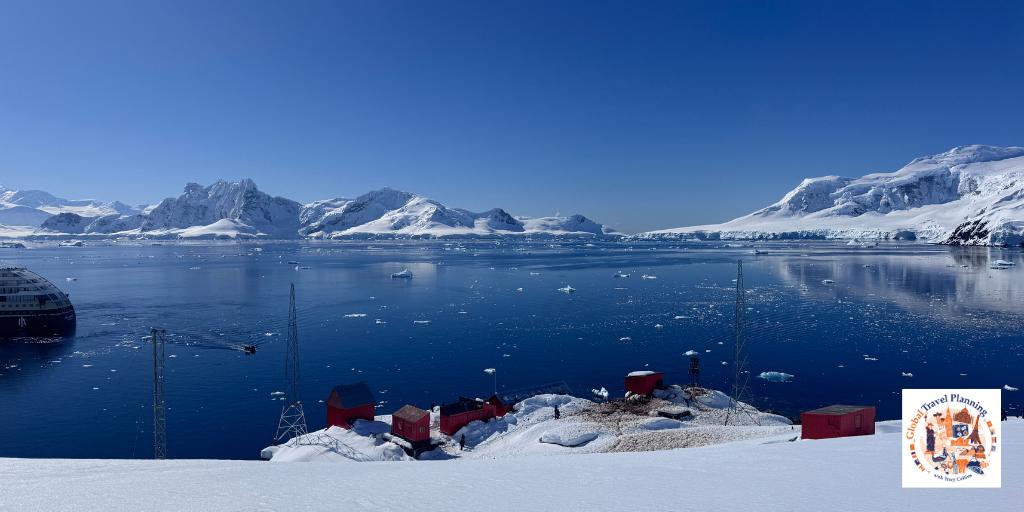
Landings are by zodiac, the small inflatable boats that take you from the ship to shore. You are assigned a group, and the groups rotate through the day so everyone gets their turn at different times. Read more in What an Antarctica Expedition Is Really Like.
The Drake Passage
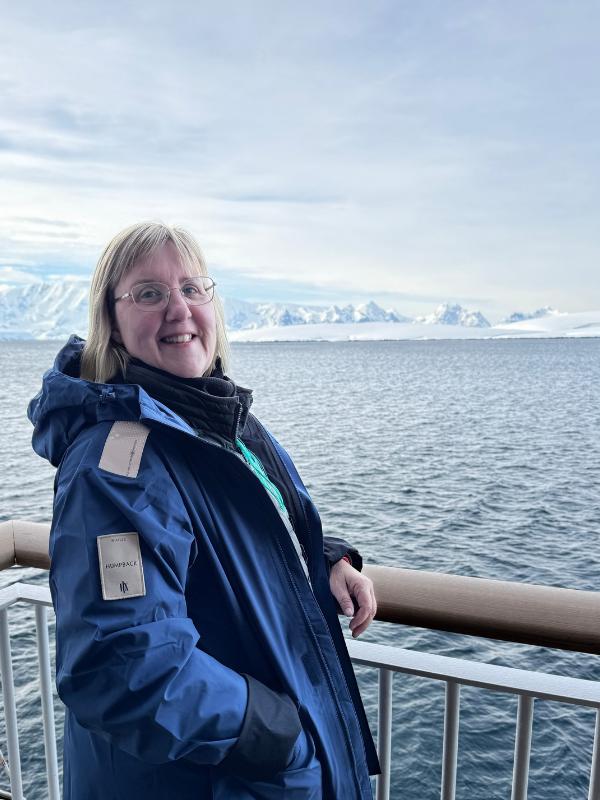
The crossing between South America and Antarctica has a reputation, and it earns it. Ours was rough on the way there and calm on the way back.
I rarely get seasick and I did this time, mostly through my own mistake. If the idea worries you, read Crossing the Drake Passage: What to Expect before you book, as there are ways to manage it, and even a fly-the-Drake option for some itineraries.
Protecting Antarctica
Biosecurity is taken very seriously, and rightly so. Attendance at the briefings is mandatory.
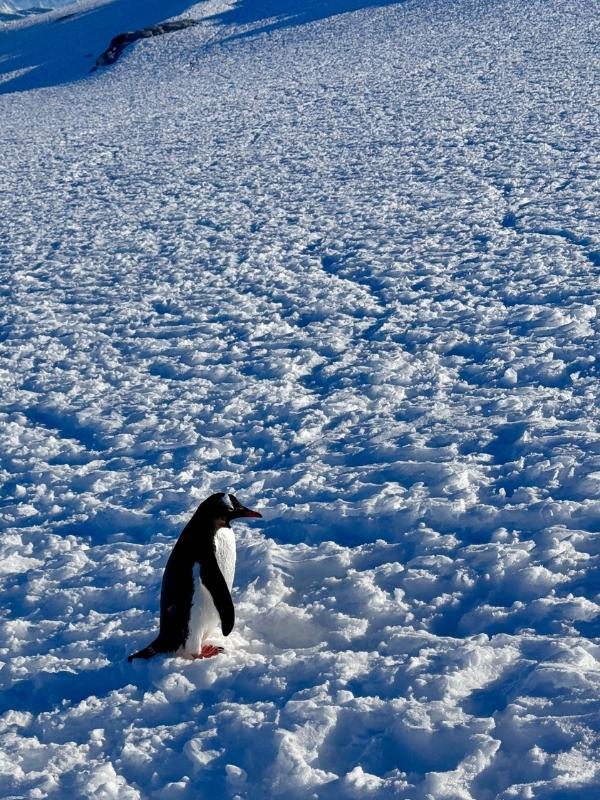
Everything you wear ashore is vacuumed and checked for stray seeds, your boots are washed every time you return, and there are firm rules once you land: no sitting or crouching, stay at least five metres from any wildlife, and if an animal comes towards you, you move away.
The penguins, it turns out, have right of way on their own highways.
What to pack
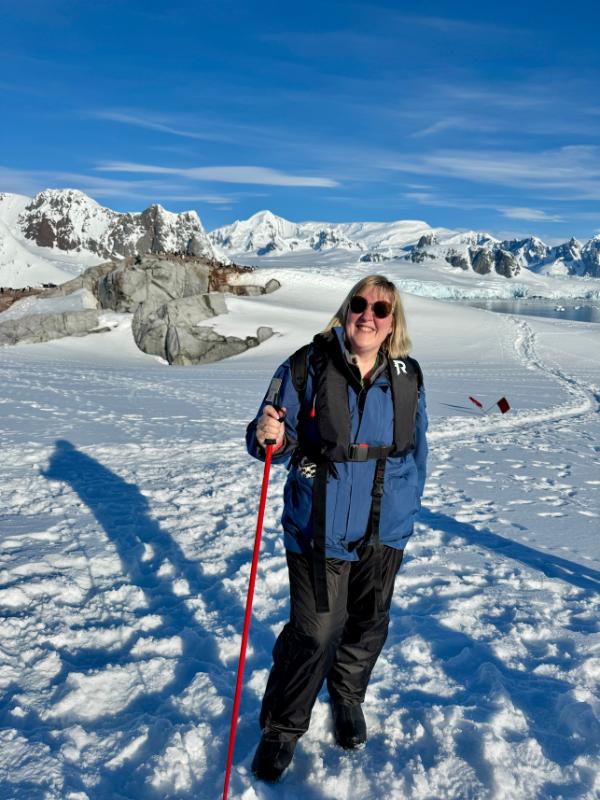
The surprise for most people is that overheating is more of a risk than cold, at least in the early summer. A full packing rundown is in What to Pack for Antarctica.
Is it worth it?
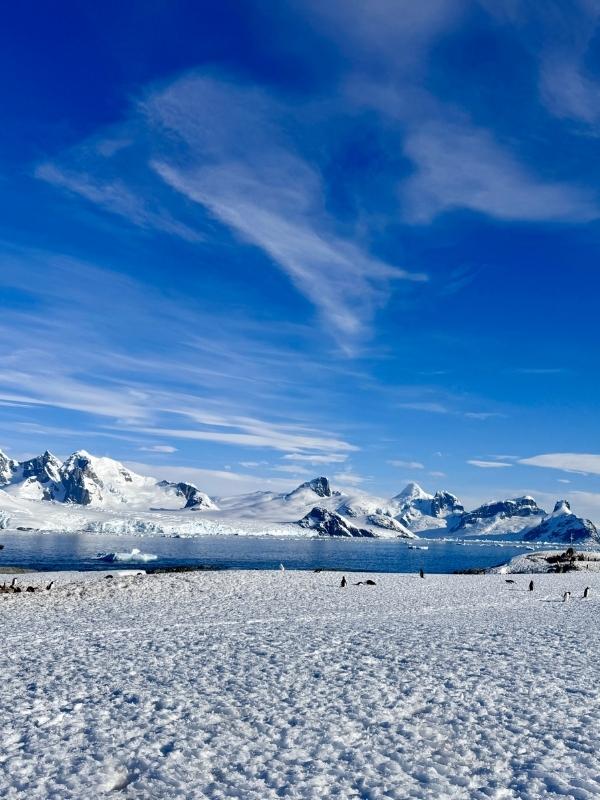
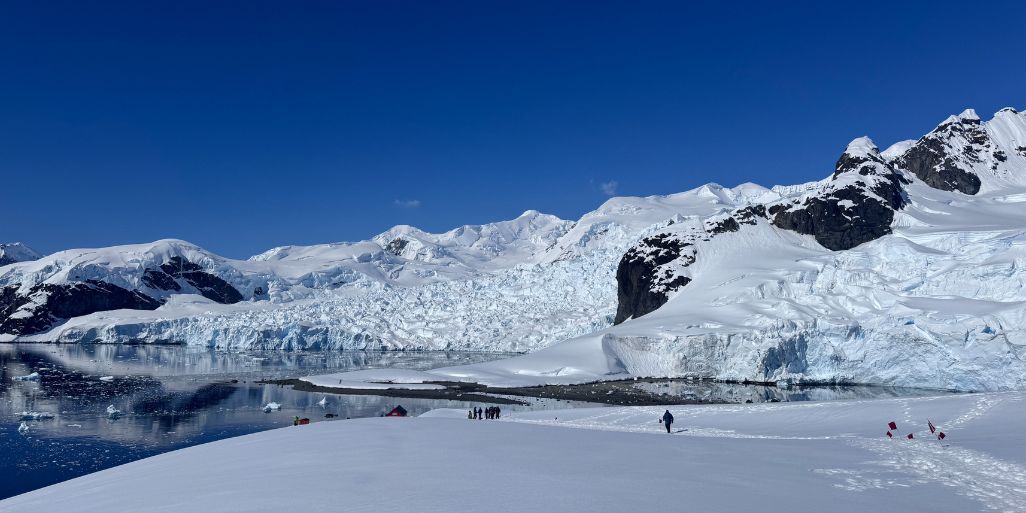
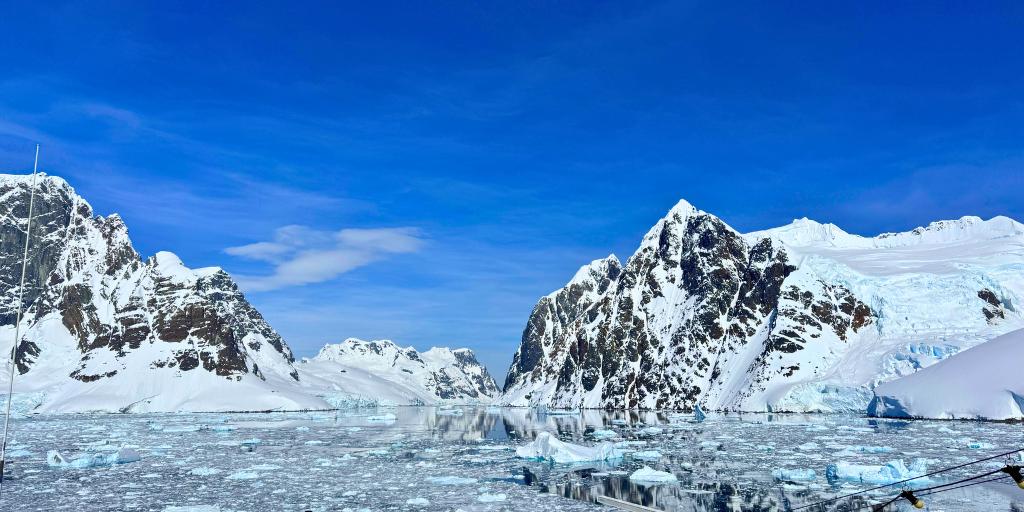
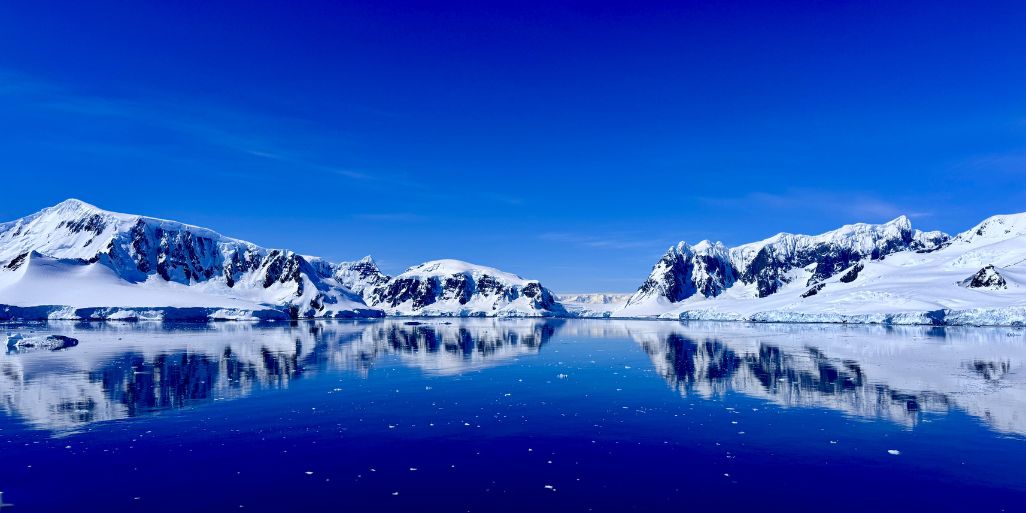
Without question. Standing on the ice, that tiny-person-in-an-enormous-place feeling, the icebergs shifting from deep azure to pure white, is something I will never forget. If you have ever dreamed of it, I would simply say go.
Ready to start planning? Sign up to our newsletter for more worldwide trip-planning help, and have a listen to the full Antarctica episode on the Global Travel Planning podcast.